Employees may be sending a simple message to the payroll giants: if they are going to stay put, they want retirement benefits that feel dependable. That matters because it points to a labor market where pay alone is no longer enough to win loyalty, and that plays directly into demand for the human-capital and retirement services sold by ADP and Paychex.
ADP and Paychex Gain on Retirement Benefit Demand
The broad backdrop still looks healthy. The U.S. unemployment rate is forecast at 4.09% for August, close to the 4.1% reading in July, while payrolls are expected to keep climbing. That combination usually means workers still have options, but not the kind of overheating that forces employers to throw cash at every problem. In that environment, benefits become a strategic weapon — and not just a nice-to-have.
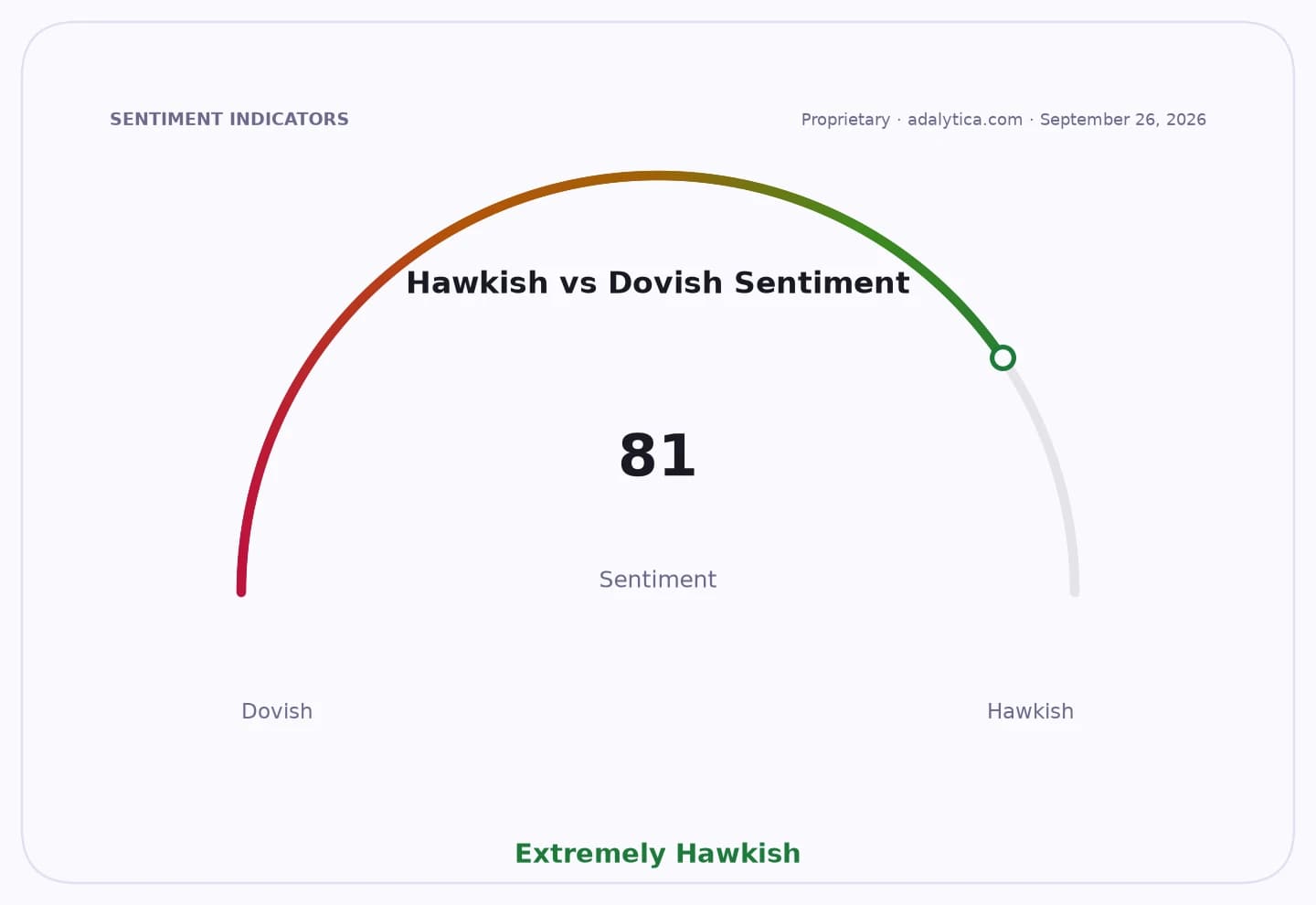
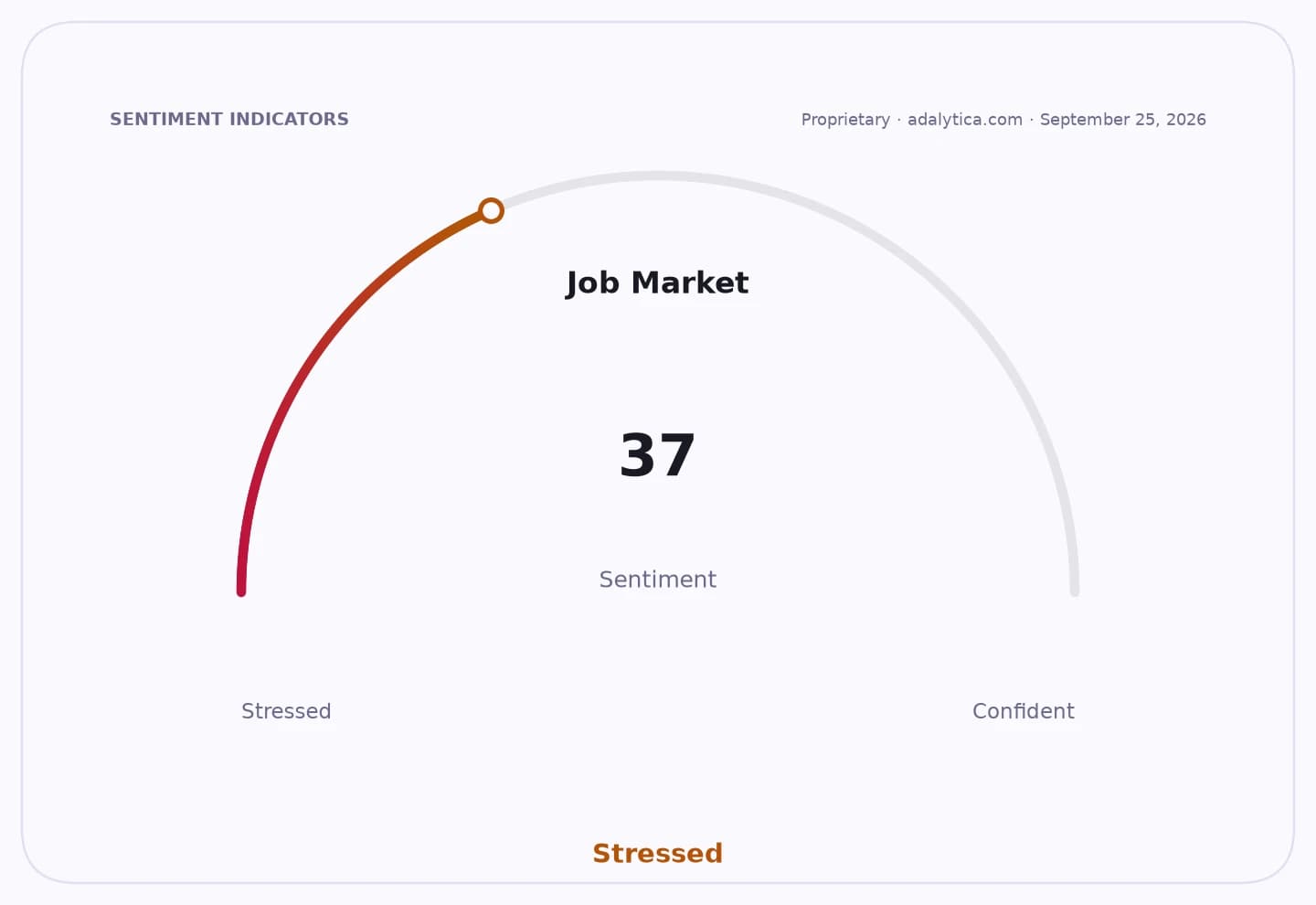
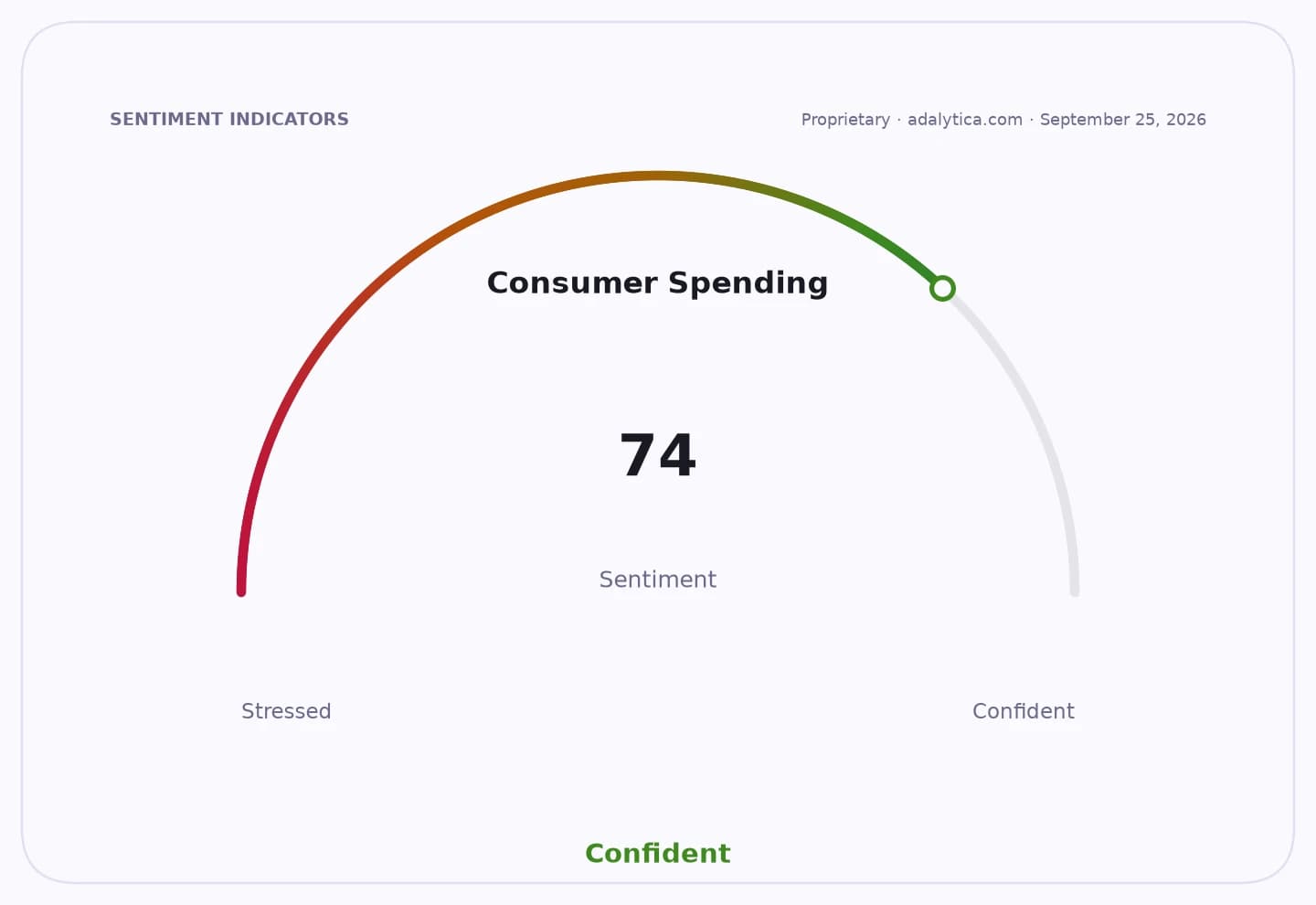
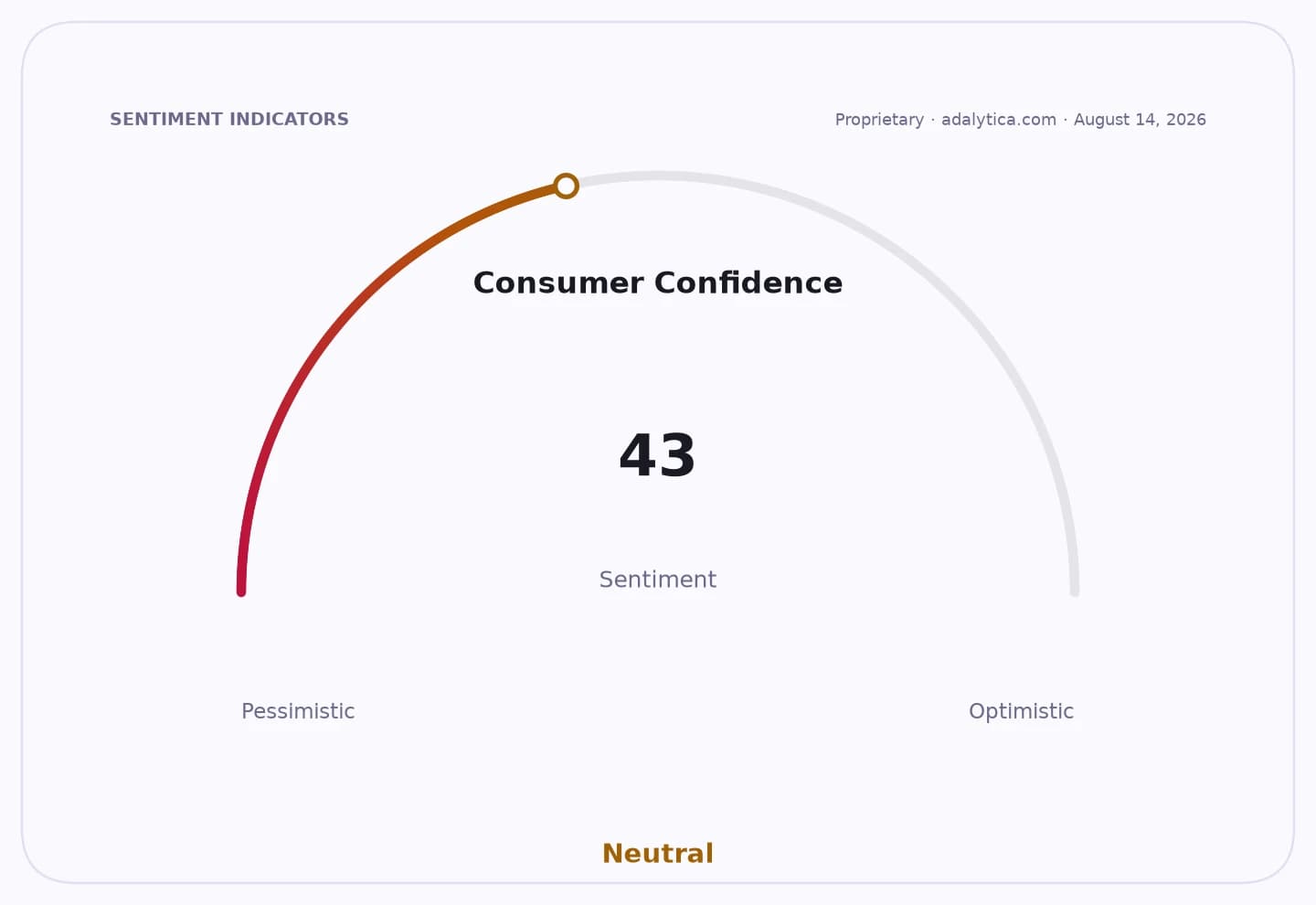
Sentiment IndicatorsⓘProprietary · adalytica.com · August 14, 2026
This is a snapshot — live sentiment, awareness and momentum for 130+ markets update continuously in the dashboard.Open AlphaPulse
That is why the headline number matters: 63% of employees want the same benefit, and the most compelling answer is retirement security. Whether that means stronger 401(k) matching, better pension access or clearer long-term savings support, the demand is less about a perk and more about financial resilience. With inflation memories still fresh and job security feeling less certain, workers are gravitating toward benefits that compound over years, not months.
For employers, this creates a durable pull on spending. ADP and Paychex both sit at the intersection of payroll, benefits administration and retirement platforms, and both have spent years widening their product menus. ADP’s services around compensation management and retirement administration are especially relevant when companies need to retain staff without simply lifting base pay. Paychex, meanwhile, has leaned on its small- and mid-sized business customer base to sell bundled HR and benefits tools that are easier to outsource than build in-house.
Investors should care because this is the kind of demand that tends to persist through cycles. Workers may trade jobs, but they still need payroll, compliance and retirement infrastructure wherever they land. That gives ADP and Paychex recurring revenue potential and a long runway for cross-selling. It also helps explain why the two stocks can look like steady compounders even when the labor market itself cools.
The market has already been rewarding that resilience. ADP’s shares have rebounded sharply and are trading well above their 50-day moving average, while Paychex has also staged a strong recovery after a rough patch. Their recent technical strength suggests investors are again willing to pay up for predictable cash flow and sticky client relationships. In plain English: when the job market gets more selective, the companies that help employers keep and reward talent often become more valuable.
There is risk, of course. If hiring slows materially, payroll growth and new-client additions could soften. And if employers decide they can satisfy workers with one-off wage hikes rather than richer benefits, some of the urgency around retirement perks could fade. But over a three-to-10-year horizon, the direction still seems favorable for firms that sit behind the paycheck.
The bigger narrative is that employees increasingly want benefits that last longer than a bonus cycle. That is a good sign for retirement-plan administrators, and a reminder for investors that the most attractive businesses often profit from the boring, essential parts of working life. For long-term portfolios, ADP and Paychex remain worth watching — and maybe holding for the kind of compounding that benefits both employees and shareholders.
| Entity | Gains | Losses |
|---|---|---|
| ADP | ▲Retirement-services demand | ▼Wage-only employers |
| Paychex | ▲Sticky SMB benefits sales | ▼Firms cutting HR spend |
| Employees | ▲Better long-term security | ▼Short-term cash perks |
| Employers | ▲Easier retention tool | ▼Higher benefits costs |