Germany’s fight to contain the far-right Alternative for Germany is moving into a high-stakes test in Saxony-Anhalt, where polls and disinformation attacks are raising the possibility the AfD could win its first state premiership.
AfD Push in Saxony-Anhalt Raises German Policy Risk

That would be a political shock in Europe’s biggest economy and a warning shot for investors in German assets, as a stronger AfD would deepen policy uncertainty around migration, security, fiscal spending and Germany’s role in the EU. It would also underline how Russian interference and domestic polarization are converging ahead of a vote that is being watched as a barometer for the rest of eastern Germany.
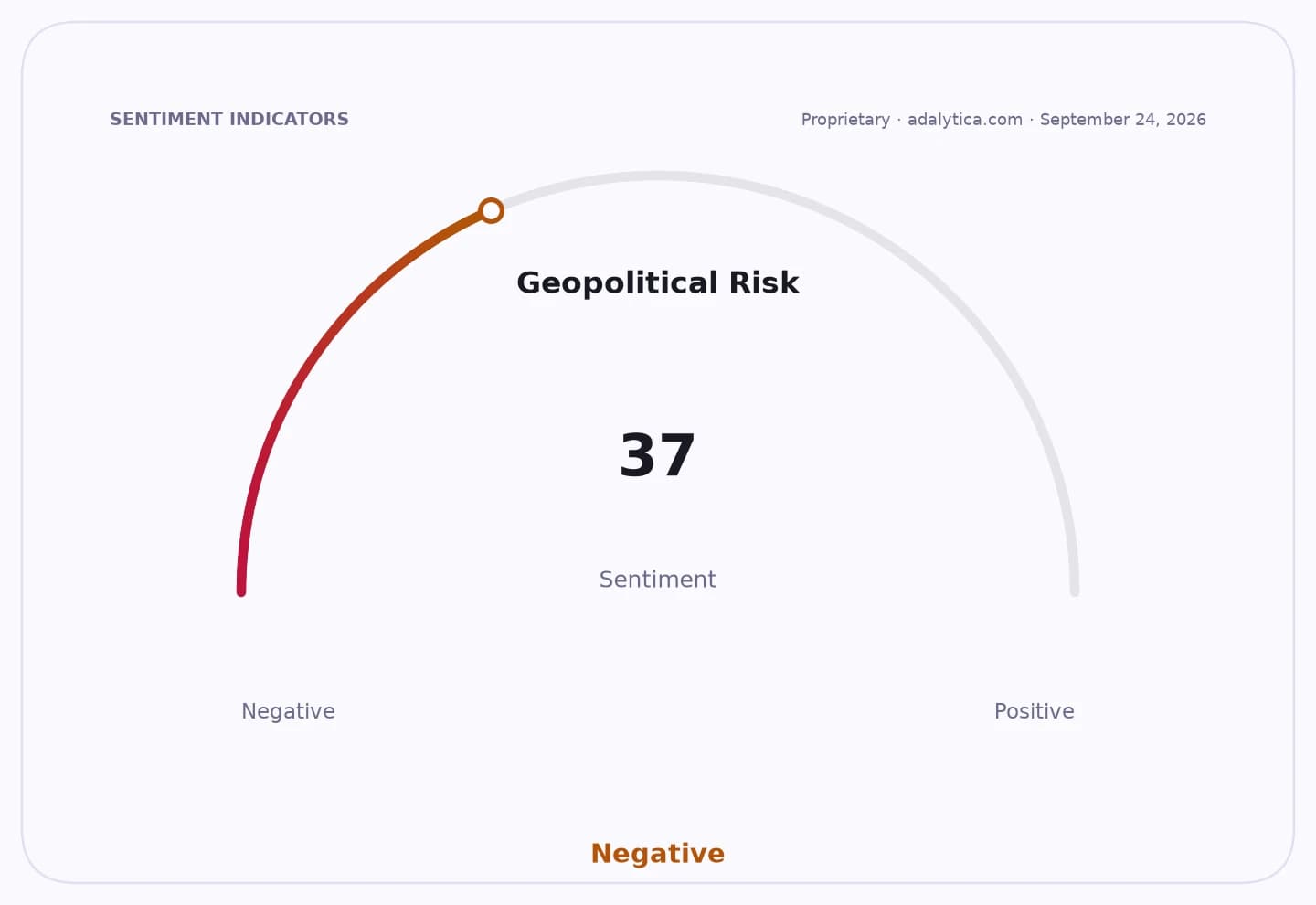
Sentiment IndicatorsⓘProprietary · adalytica.com · August 24, 2026
This is a snapshot — live sentiment, awareness and momentum for 130+ markets update continuously in the dashboard.Open AlphaPulse

The campaign has already drawn in Germany’s intelligence services after a sophisticated Russian disinformation effort targeted incumbent CDU premier Reiner Haseloff with a fabricated video and fake newspaper page. The tactic is meant to erode trust in mainstream parties and amplify the AfD’s message, making the election about more than local politics.
Ulrich Siegmund, the AfD candidate described by Der Spiegel as “the most dangerous man in Germany,” has emerged as the party’s strongest contender yet in the state. For the CDU and other mainstream parties, the result could determine whether tactical voting still works as a firewall against the far right or whether the AfD can turn regional momentum into executive power.
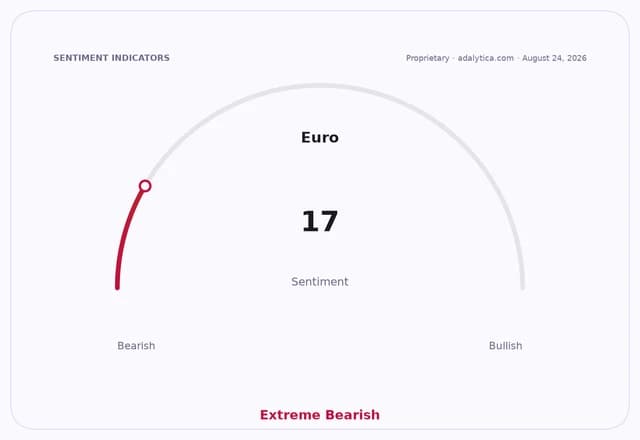
Markets have not yet priced a full political rupture, but the risk is visible in broader Europe-facing sentiment. Adalytica’s Euro Trade Signals show sentiment at 17, deep in fear territory, while Germany’s benchmark DAX and the iShares MSCI Germany ETF, EWG, remain near recent highs, suggesting investors are still treating the vote as a political risk rather than an immediate macro shock.
The bigger economic issue is what a far-right breakthrough would mean for Germany’s governing capacity at a time when the country is already struggling with weak growth, defense spending demands and pressure to shore up internal security. A more fragmented political landscape could make coalition-building harder, delay policy decisions and complicate investor expectations for fiscal and industrial policy.
Deutsche Bank, like other German lenders and exporters, is exposed to that uncertainty through domestic market conditions and broader European stability. If the AfD makes historic gains, the question for investors will be whether the result stays local or becomes a template for a wider shift in German politics before the next national contest.
| Entity | Gains | Losses |
|---|---|---|
| AfD | ▲Electoral momentum | ▼Isolation from mainstream coalitions |
| CDU/Mainstream parties | ▲Tactical voting appeal | ▼Loss of firewall credibility |
| German bond and equity investors | ▲Short-term clarity if AfD is contained | ▼Policy uncertainty if AfD breaks through |
| Russian disinformation network | ▲Political disruption | ▼Greater scrutiny by German security services |