Mortgage pain is easing fastest in the states where home prices are still relatively affordable, and that matters because the next housing cycle will be driven less by headlines about rates and more by the monthly payment buyers can actually carry.
Affordable states could lead housing recovery
The market is finally moving toward a payments-led housing reset. In the U.S., mortgage rates remain elevated, but the bigger swing factor for affordability in 2026 is the price base underneath the loan. The national home-price index has kept climbing, yet the latest monthly pace is barely positive, suggesting the era of broad-based runaway appreciation has cooled. That creates a clear divide: states with lower median home prices are starting to offer the cheapest mortgage payments, while high-cost markets remain locked out by the same rate environment.
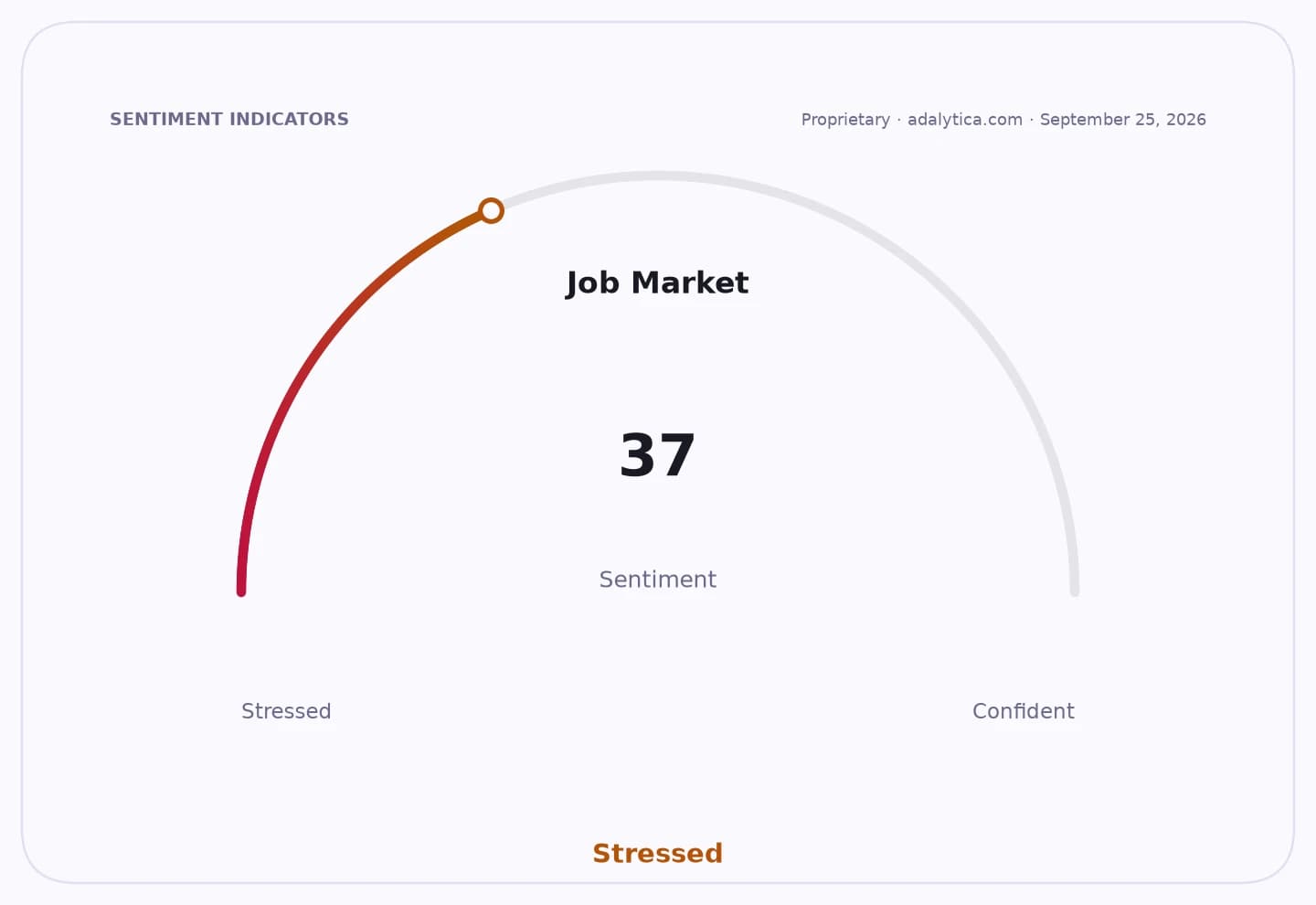
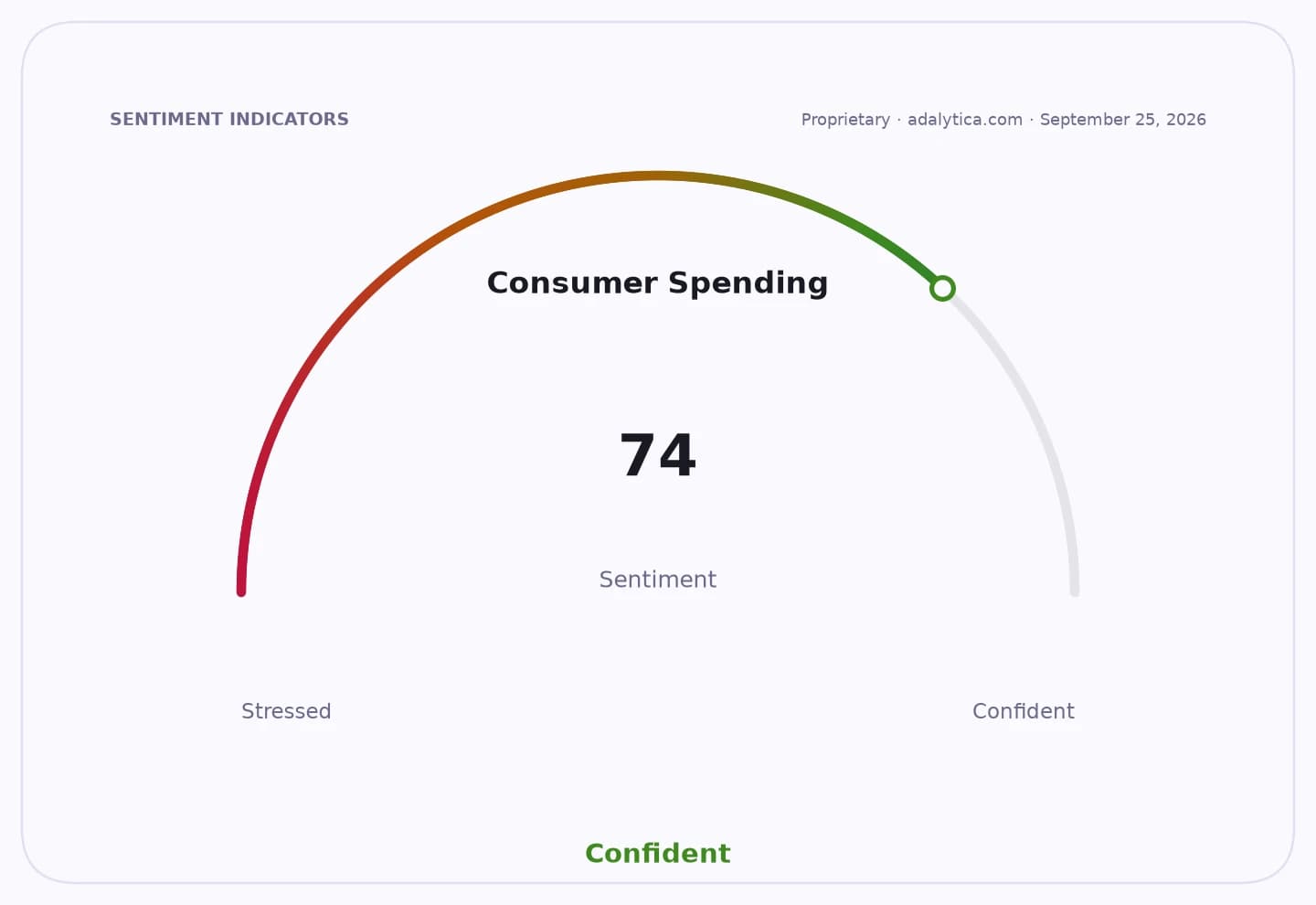
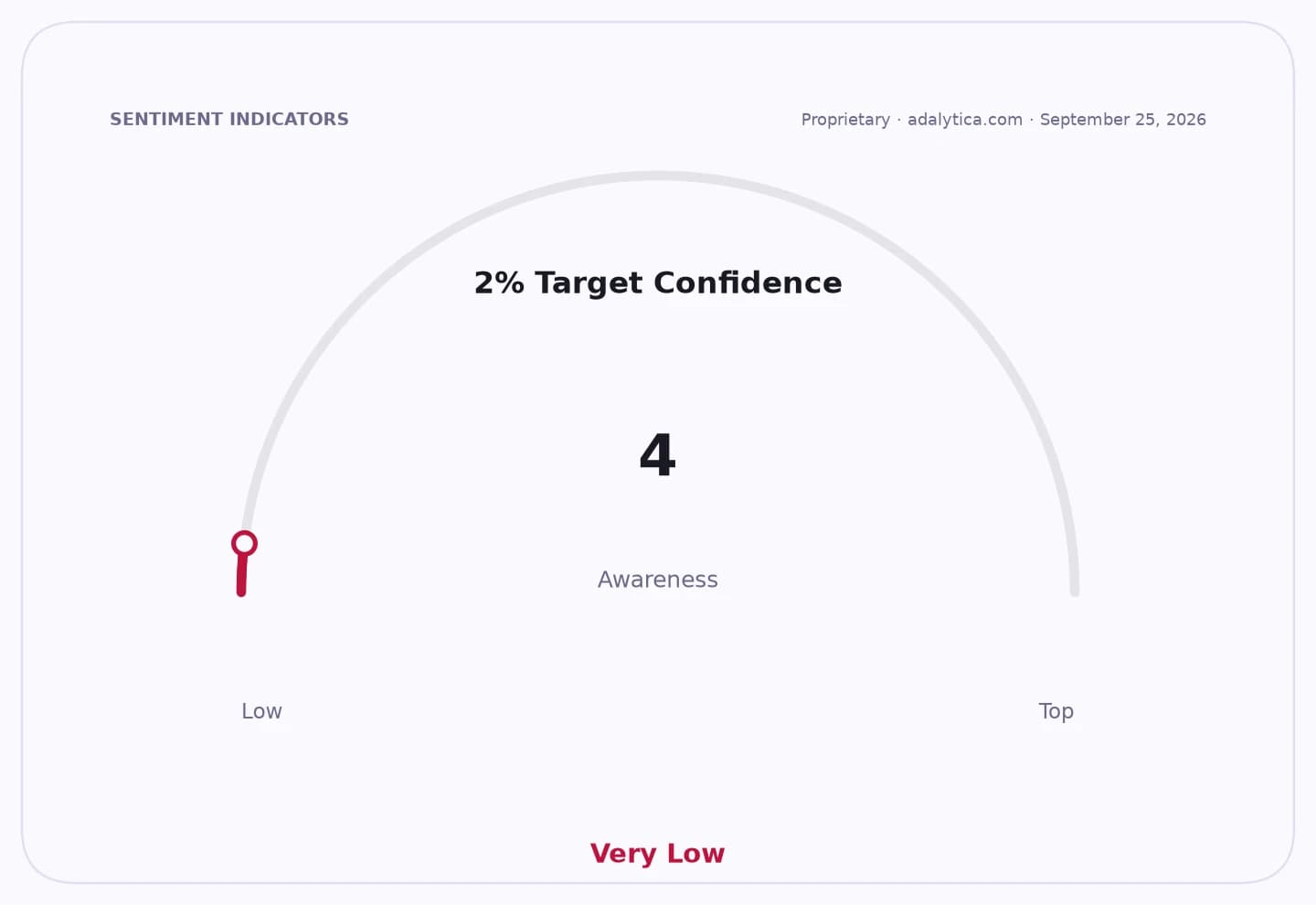
Sentiment IndicatorsⓘProprietary · adalytica.com · July 22, 2026
This is a snapshot — live sentiment, awareness and momentum for 130+ markets update continuously in the dashboard.Open AlphaPulse
That spread is economically important because housing affordability drives mobility, household formation and transaction volume. When monthly payments fall to levels buyers can absorb, demand can re-enter the market even if borrowing costs are still high by historical standards. The forecast for 2026 points to a national housing market that is no longer getting meaningful help from price growth, which means relative affordability will matter more than ever in determining where the next wave of buyers shows up.
For investors, that turns “cheap states” into a powerful second-order trade. The winners are not just homebuyers in lower-cost regions, but also the companies exposed to transaction recovery, mortgage originations, brokerage activity and rental-to-own conversion. Zillow, which has built a mortgage and housing marketplace franchise, is one obvious beneficiary if lower payment states see more search traffic and deal flow. OpenDoor, despite its volatility, is leveraged to any improvement in buyer demand and market liquidity. The broader housing complex — lenders, title companies, local brokers and home-related services — stands to benefit first in the markets where affordability opens fastest.
HOUST vs CSUSHPINSA — macro contextadalytica.com
Explore this data interactively — full history, time series and cross-market comparisons.Open AlphaPulse
The macro backdrop reinforces the thesis. Unemployment remains low, so the housing issue is not a collapse in incomes; it is a payment constraint. That means any easing in mortgage burdens can translate quickly into demand, especially in states where home prices are far below the national hot spots. In other words, the housing recovery will not be uniform. It will be a map trade.
The market may still be focused on whether rates come down enough to rescue coastal housing. I think that misses the real opportunity. The most compelling setup in 2026 is in the states where the mortgage payment is already lowest, because those markets can recover first, attract the earliest buyers and create the cleanest operating leverage for housing-linked stocks.
If you want exposure, look for the businesses tied to affordability-driven transaction volume rather than the markets still waiting for a perfect rate environment. The next housing upside likely starts where the payment is smallest.
| Entity | Gains | Losses |
|---|---|---|
| Low-cost housing states | ▲Faster buyer demand | ▼Less distressed sellers |
| Zillow (Z) | ▲More search and loan activity | ▼High-rate markets |
| OpenDoor (OPEN) | ▲Better transaction liquidity | ▼Stagnant affordability crunch |
| Expensive coastal markets | ▲Potential repricing relief | ▼Continued affordability pressure |