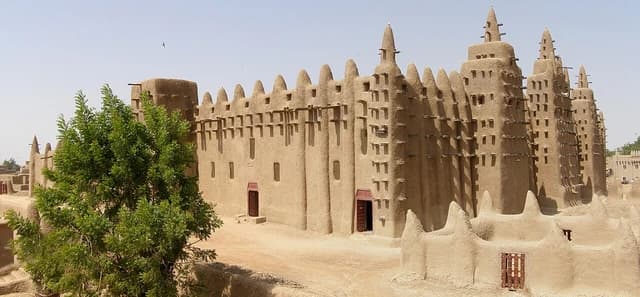
Conflict and crisis across Africa are putting six UNESCO World Heritage sites at risk, a warning that carries economic as well as cultural consequences for some of the continent’s most fragile tourism and investment corridors.
Africa conflict raises tourism and market risks
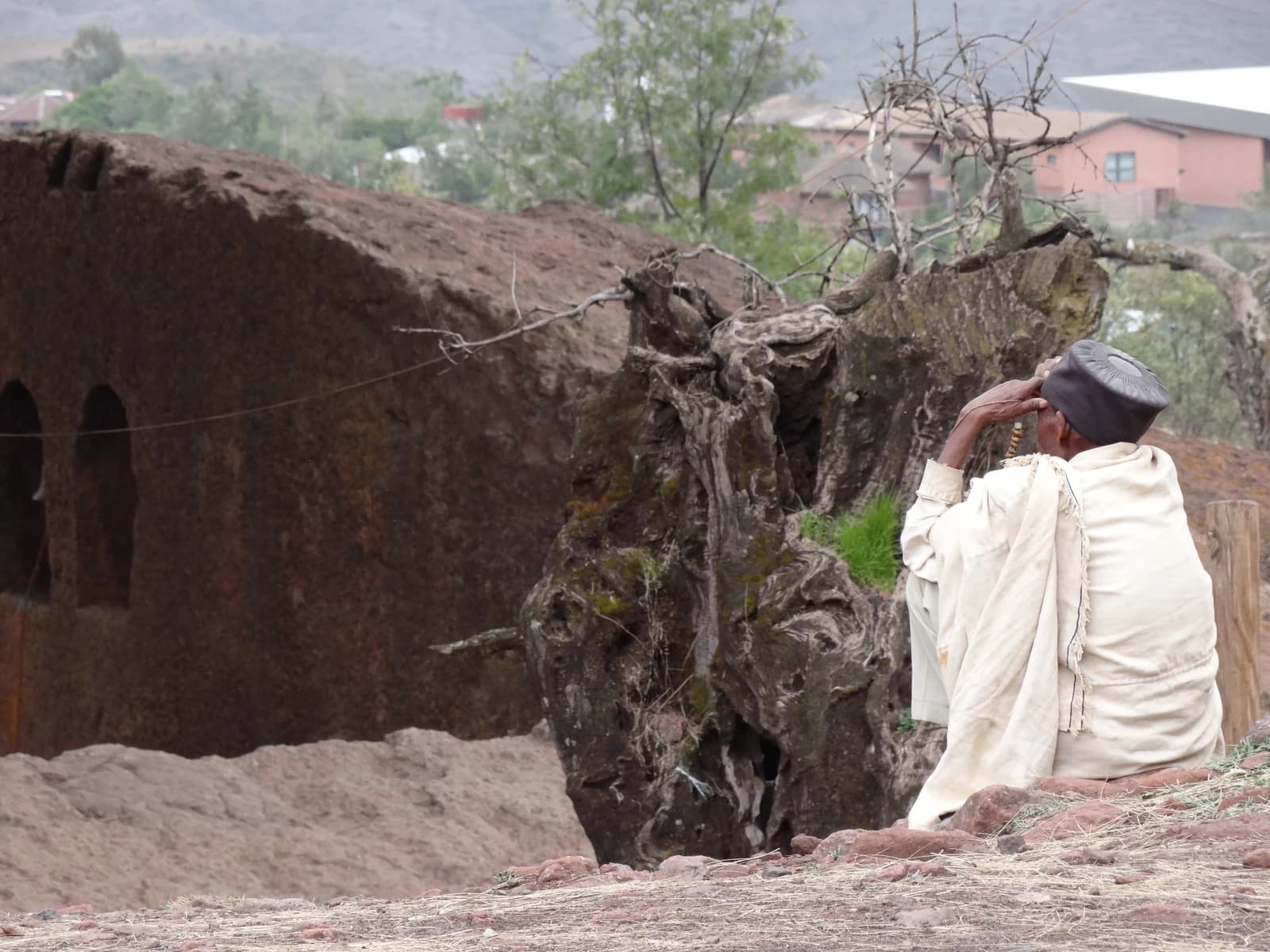
The immediate issue is not just the loss of irreplaceable landmarks. It is the way insecurity, displacement and infrastructure damage can cut off visitor flows, disrupt local employment and weaken foreign-exchange earnings in economies that rely on travel, hospitality and cross-border commerce. When heritage sites become frontline casualties of instability, the costs spread well beyond preservation budgets.
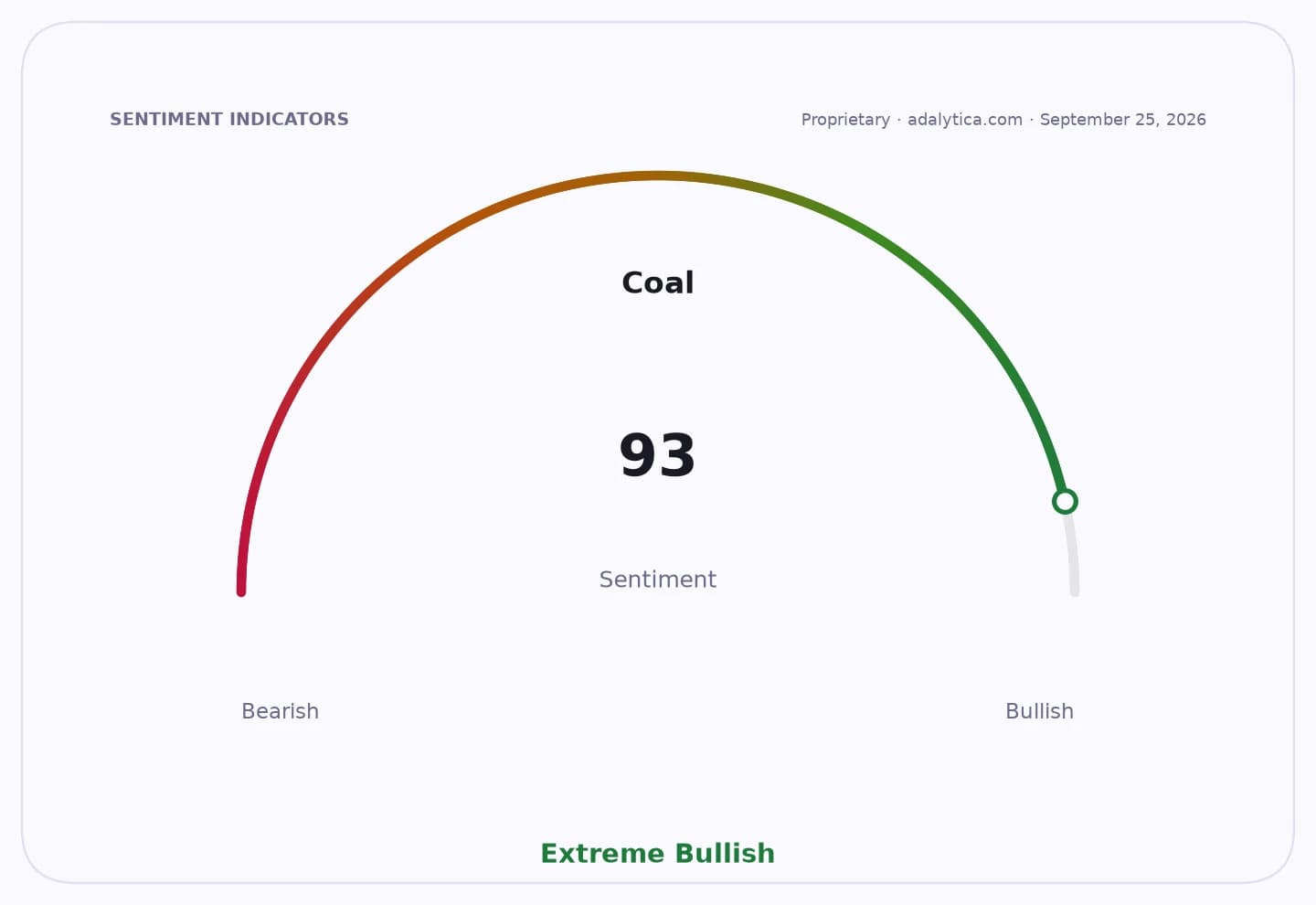
Sentiment IndicatorsⓘProprietary · adalytica.com · July 28, 2026
This is a snapshot — live sentiment, awareness and momentum for 130+ markets update continuously in the dashboard.Open AlphaPulse
That matters for investors because tourism-linked assets, airlines, hotel operators and broader emerging-market exposure tend to reprice quickly when geopolitical risk rises. Africa-focused equities and exchange-traded funds can be especially sensitive to a deterioration in security conditions, while insurers and lenders may demand higher risk premia for projects tied to destinations exposed to conflict. The move in Africa-tracking funds has been more muted than in global haven assets, but the divergence is telling: the EZA exchange-traded fund has retreated to about $61.94 from a recent high above $74, while the broader EM gauge EEM has also slipped to the low $63s. By contrast, gold has remained in demand, with Adalytica’s gold fear-and-greed gauge at 99, underscoring persistent appetite for safe havens.
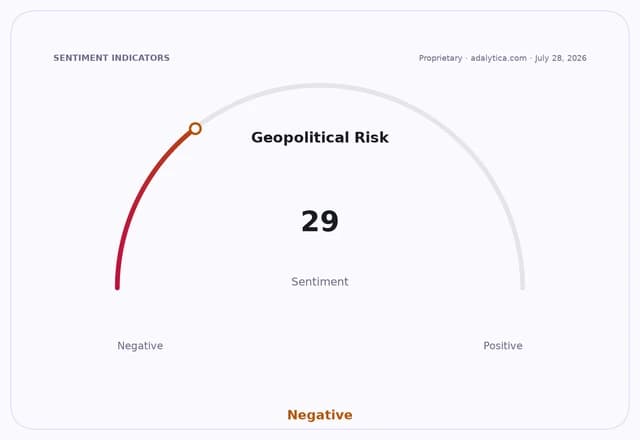
The warning also comes against a broader backdrop of fragile global stability. Adalytica’s Global Stability Sentiment sits in “Fear” territory at 29, reflecting a market environment in which shocks in one region can feed through to risk pricing elsewhere. That backdrop helps explain why investors have been quick to scale back exposure to higher-beta assets when geopolitical stress intensifies, even when the direct macro impact is limited at first.
Geopolitical Risk — 30-day sentimentadalytica.com
Explore this data interactively — full history, time series and cross-market comparisons.Open AlphaPulse
For Africa’s tourism-dependent economies, the risk is more structural. World Heritage status can support branding, visitor demand and local business development; once conflict threatens those sites, the damage can extend to hotel occupancy, transport demand and community livelihoods. The bull case is that heightened international attention could accelerate protection, funding and stabilization efforts. The bear case is that repeated warnings will not matter unless security improves on the ground, leaving assets underutilized and capital hesitant.
The key question now is whether authorities and international bodies can move from warning to mitigation. If they cannot, the economic cost of conflict will deepen: fewer visitors, weaker local revenues and a further hit to already strained regional sentiment. For investors, the message is straightforward: in Africa, heritage risk is increasingly a market risk.
| Entity | Gains | Losses |
|---|---|---|
| Local communities | ▲Potential protection funding | ▼Tourism income |
| Hotel and travel operators | ▲Stability if sites are secured | ▼Bookings and occupancy |
| Safe-haven assets | ▲Higher demand | ▼Risk assets |
| African markets | ▲Support from risk mitigation | ▼Valuation pressure |