Africa is set to lead the world in population growth, and that makes the continent one of the most important long-term economic stories on the planet.
Africa Demographics Could Fuel Long-Term Growth
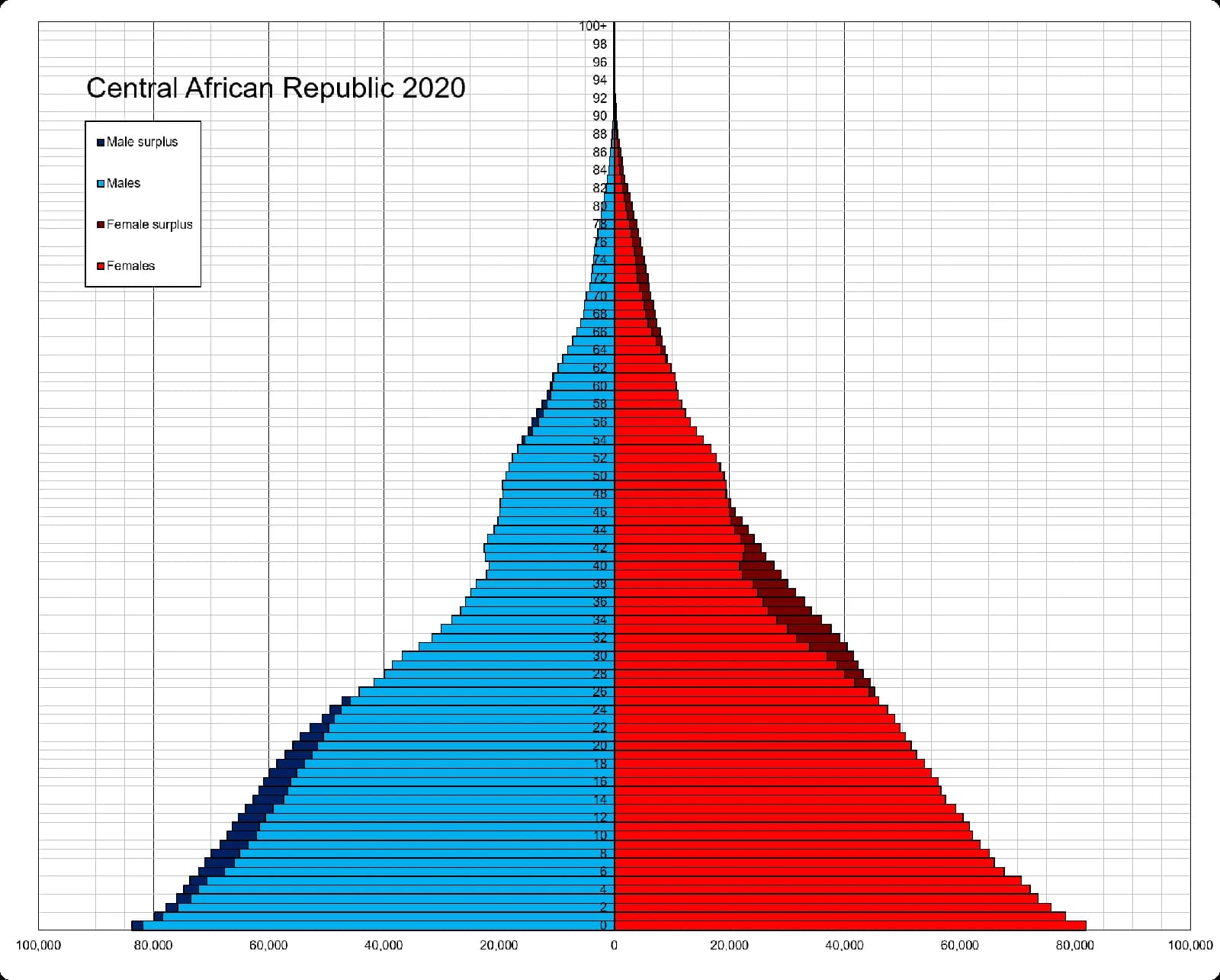
For investors, this is bigger than a demographic headline. A fast-growing population means more workers, more consumers and, eventually, more demand for everything from housing and power to food, transport and digital services. In a world where many major economies are aging, Africa’s expanding labor pool could become a rare source of structural growth over the next decade and beyond.
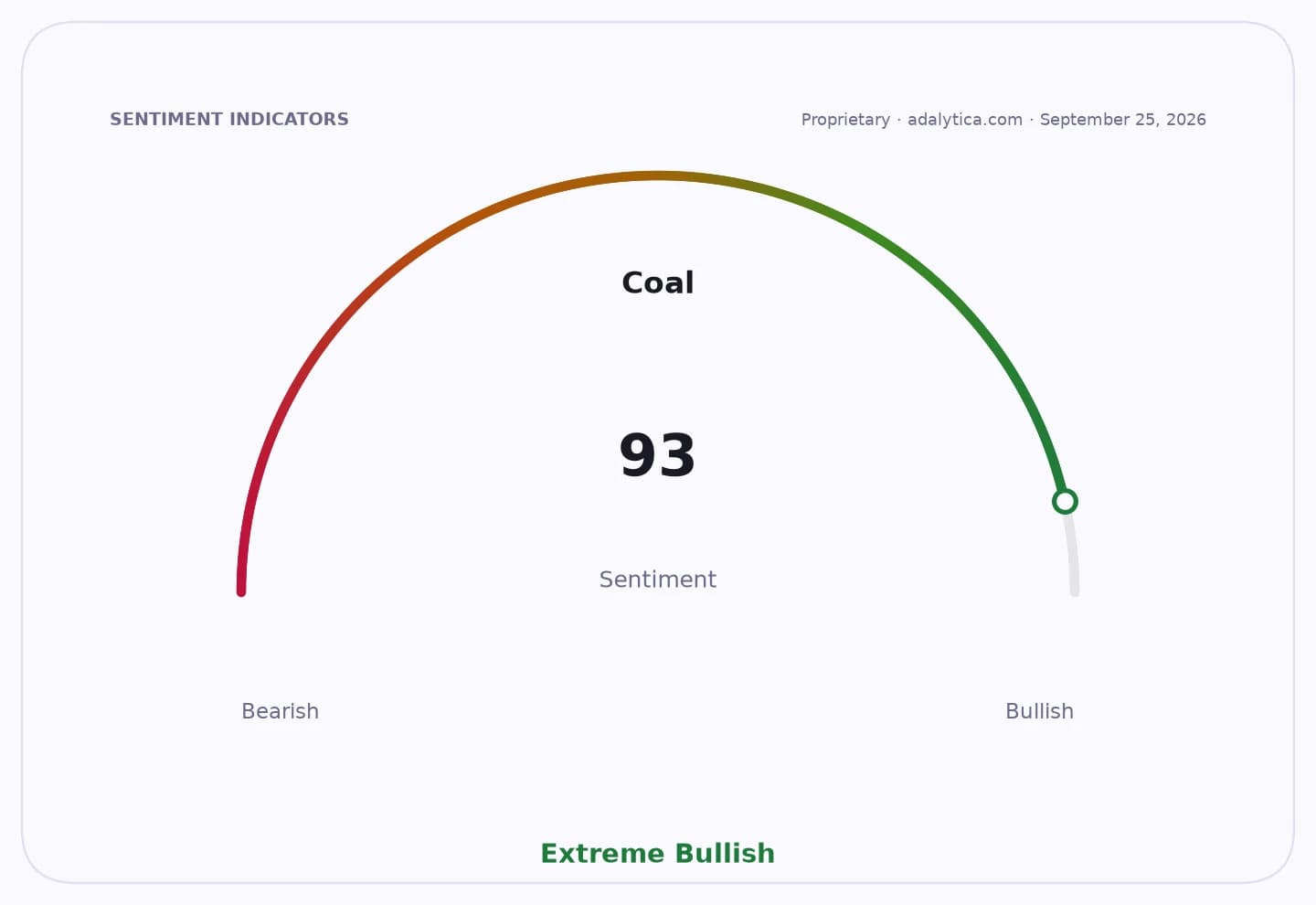
Sentiment IndicatorsⓘProprietary · adalytica.com · July 20, 2026
This is a snapshot — live sentiment, awareness and momentum for 130+ markets update continuously in the dashboard.Open AlphaPulse
The market implication is straightforward: demographics do not translate into profits on their own, but they do create the conditions for them. Countries that can turn population growth into productivity gains tend to attract capital, build domestic demand and support rising corporate earnings. That is why Africa’s industrial push matters. The Manufacturing Indaba 2026 highlighted reforms and investment momentum across the continent, with economies such as Guinea, Cape Verde, Nigeria and Tanzania all showing signs of stronger growth paths. Those are the kinds of building blocks investors need if the population story is going to become an earnings story.
That also helps explain why sectors tied to basic development could be among the biggest long-term winners. Power, construction, telecoms, financial services, consumer staples and logistics all benefit when a young population starts to urbanize and spend more. Utilities and infrastructure operators are already positioning for that demand. National Grid, for example, has said it is gaining exposure to a major source of electricity demand growth, a reminder that global capital is already chasing the infrastructure needed to serve rising consumption.
The flip side is just as important. Population growth without enough jobs, schools, housing and reliable power can strain public finances and create social pressure rather than prosperity. That is why reforms, regional cooperation and industrial policy matter so much. The economic prize is not simply having more people; it is turning that demographic surge into a more productive economy.
Africa’s demographic rise may unfold over years, not quarters, but that is exactly why long-term investors should care. The continent is moving from a story about potential to one about scale, and scale changes everything. For patient investors, the key takeaway is simple: keep Africa on the watchlist, focus on the companies and funds building the region’s infrastructure, and think in years, not days.
| Entity | Gains | Losses |
|---|---|---|
| African consumers | ▲Bigger economies, more services | ▼Higher strain if jobs lag |
| Infrastructure firms | ▲More demand for power and transport | ▼Underinvestment risk |
| Local governments | ▲Larger tax base over time | ▼Fiscal pressure and congestion |
| Global investors | ▲Long-term growth opportunity | ▼Near-term volatility and execution risk |