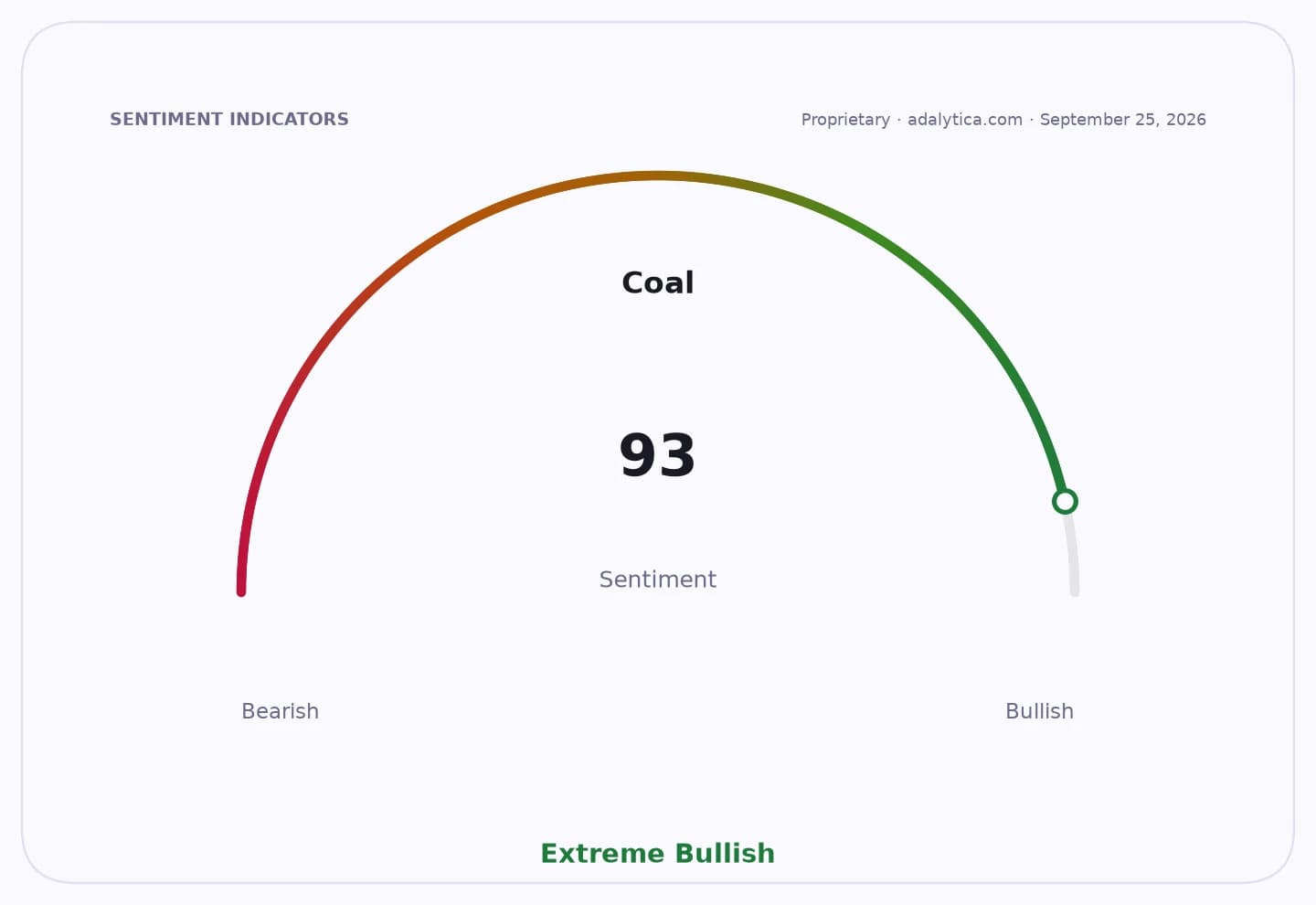
Africa has become the continent with the most hungry people for the first time, a stark marker of how conflict, energy shocks and expensive food are overwhelming the region’s ability to recover from repeated crises.
Africa hunger shift boosts food-risk trade
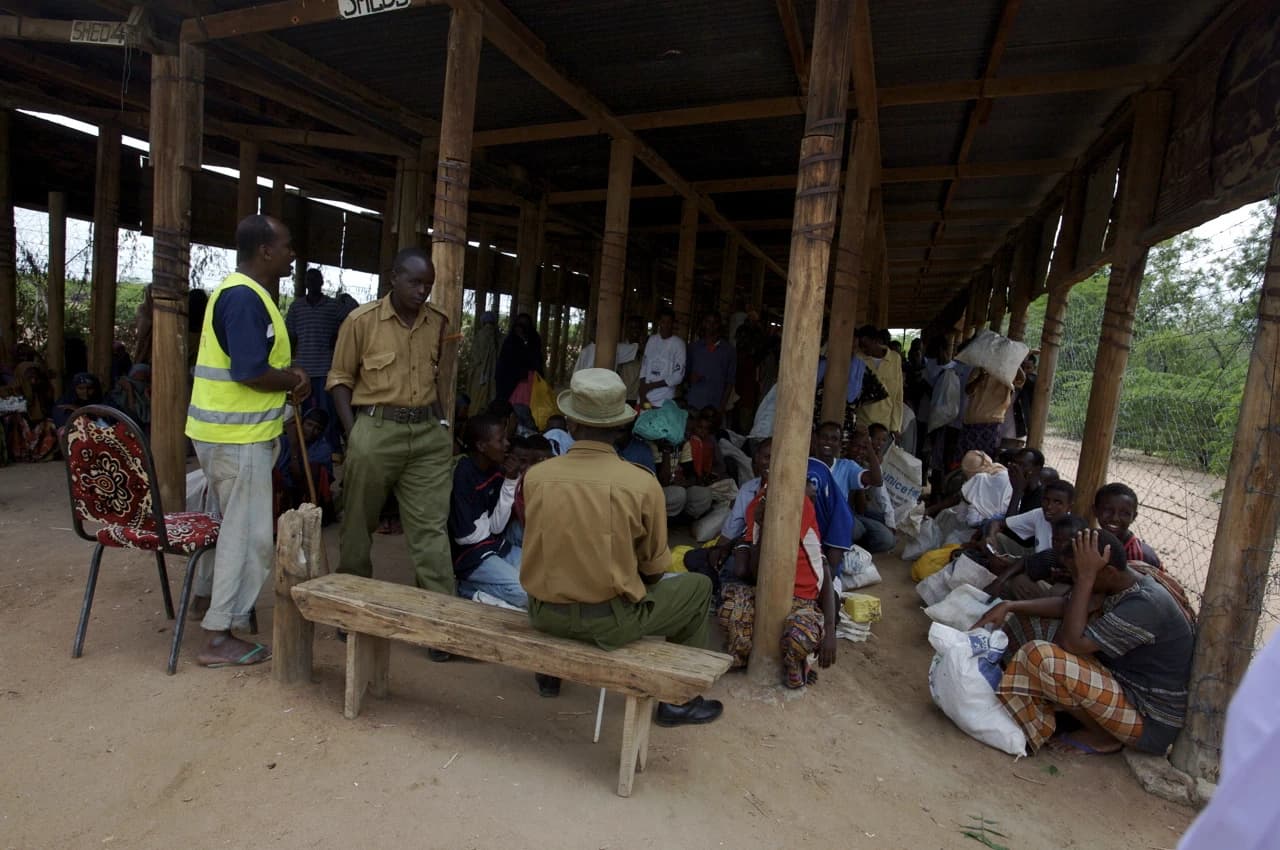
The shift matters because hunger is no longer just a humanitarian failure; it is an economic drag that feeds instability, weakens labor productivity and forces governments and aid agencies to spend more on emergency relief rather than growth. The UN’s warning that progress on reducing hunger has stalled comes as Africa absorbs the worst of supply disruptions and political shocks, including conflicts in Sudan and Nigeria and wider trade-route risks that can lift food and fertilizer costs across import-dependent economies.
Sentiment IndicatorsⓘProprietary · adalytica.com · July 21, 2026
This is a snapshot — live sentiment, awareness and momentum for 130+ markets update continuously in the dashboard.Open AlphaPulse
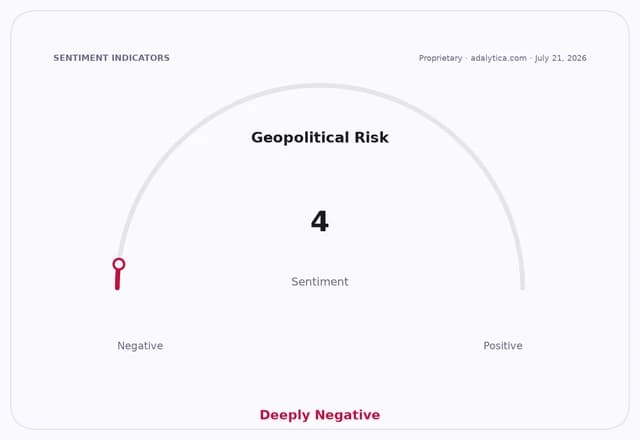
For markets, the implications run beyond aid budgets. Persistent food insecurity raises the odds of more fiscal strain, higher sovereign risk premia and deeper pressure on currencies in vulnerable countries that already spend heavily on imported staples. It also keeps grain, fertilizer and agricultural logistics in focus. The latest moves in listed crop and agriculture funds reflect that tension: wheat ETF WEAT has climbed above its 50- and 200-day moving averages, while broader agriculture proxy DBA has also strengthened, signaling investor attention to tighter supply conditions and weathering geopolitics. Corn tracker CORN has likewise remained firm, showing that investors continue to price in recurring shocks rather than a clean supply normalization.
The economic backdrop is not one of generalized inflation panic, but of a world where the burden of higher prices falls unevenly. U.S. inflation is still running above the Fed’s comfort zone and Treasury yields remain elevated, but the deeper story for hungry regions is affordability. Even when global food supplies improve, weak local incomes, disrupted trade and elevated transport or fertilizer costs can keep staple prices out of reach. That is why the crisis can worsen even without a collapse in global output.
Geopolitical Risk vs WEATadalytica.com
Explore this data interactively — full history, time series and cross-market comparisons.Open AlphaPulse
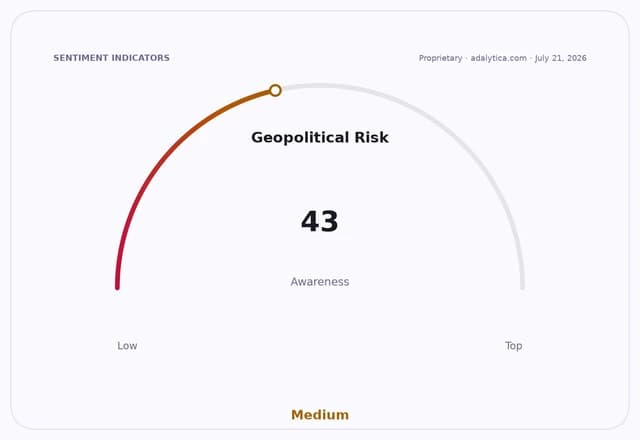
The winners and losers are sharply divided. Grain exporters and fertilizer suppliers benefit from resilient demand and periodic price spikes, but consumers in Africa face higher food bills and worse nutrition outcomes. Governments in affected states face the political cost of shortages and subsidy pressure, while aid agencies and humanitarian donors are forced to stretch limited resources across a widening crisis. The fact that Africa has now overtaken Asia underscores how the geography of hunger has shifted from a legacy development issue to an active macro risk.
For investors, the main takeaway is that food insecurity remains a structural theme, not a temporary headline. Any escalation in conflict, shipping disruption or fertilizer scarcity could extend the bid under agricultural commodities and keep pressure on fragile emerging-market balance sheets. The next catalysts are likely to come from harvest conditions, route disruptions and policy responses from governments and multilateral lenders.
| Entity | Gains | Losses |
|---|---|---|
| Grain exporters | ▲Higher demand, firmer prices | ▼— |
| Fertilizer suppliers | ▲Tighter supply, pricing power | ▼Farmers with thin margins |
| African consumers | ▲— | ▼Higher food insecurity |
| Governments and aid agencies | ▲— | ▼Fiscal strain, emergency costs |