Production-oriented investment is becoming the clearest test of whether Africa can turn growth into durable development, as weak industrial capacity, heavy financing needs and rising social strain continue to limit the region’s economic potential.
Africa production investment and development gap

The case for a production-first strategy is economic, not rhetorical. Across the continent, governments are trying to move beyond consumption-led growth and commodity dependence toward manufacturing, energy, logistics and other assets that create jobs, exports and tax revenue. That matters because Africa’s financing gap remains enormous — more than $90 billion in West Africa alone, according to the context provided — while illicit financial flows are estimated to drain about $90 billion a year from the continent. Without investment that expands productive capacity, the region risks staying trapped in a cycle of external borrowing, import dependence and low employment.
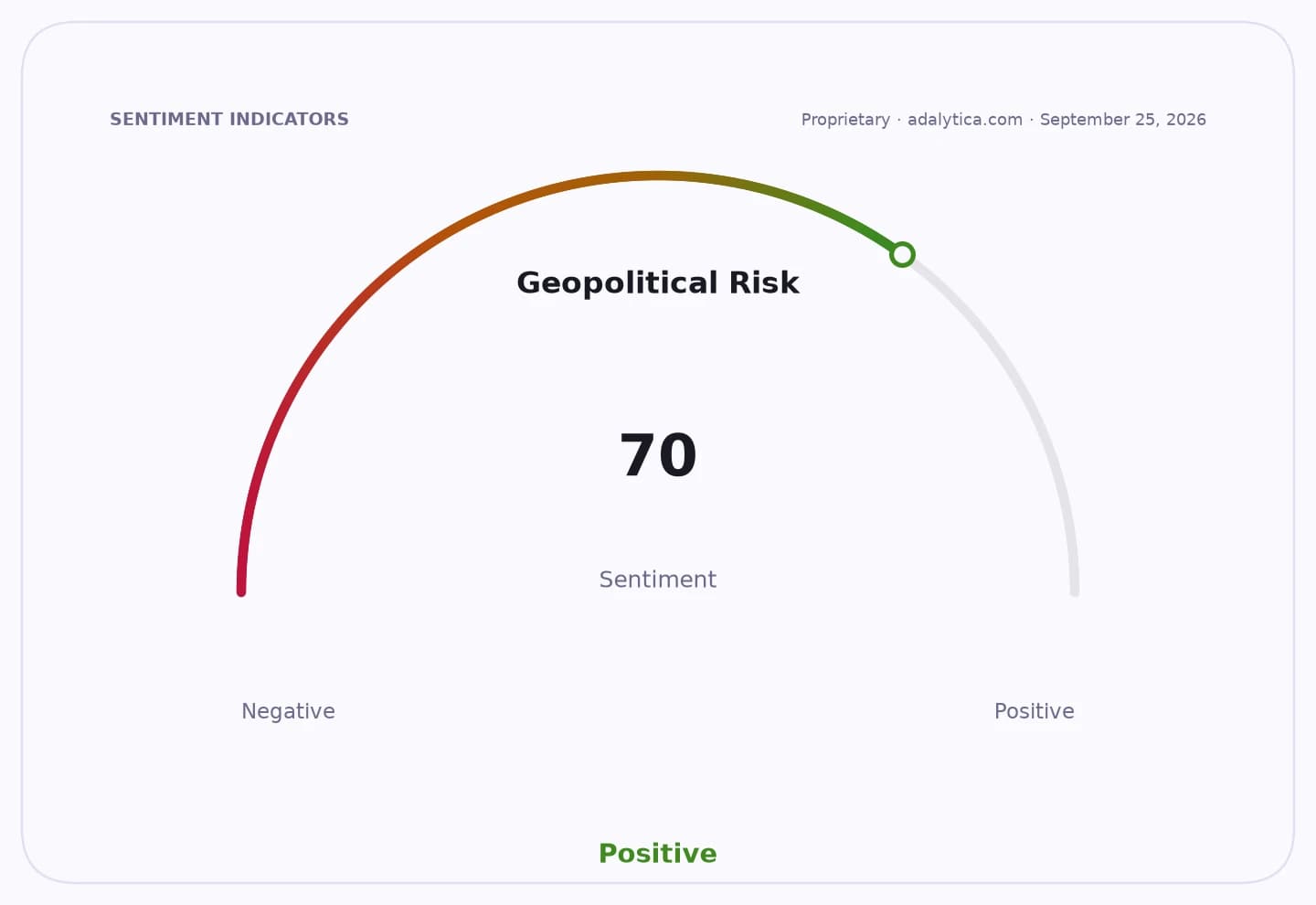
Sentiment IndicatorsⓘProprietary · adalytica.com · August 19, 2026
This is a snapshot — live sentiment, awareness and momentum for 130+ markets update continuously in the dashboard.Open AlphaPulse
The urgency is visible in South Africa, where unemployment has climbed to 33.6%, leaving 8.5 million people jobless and adding to tensions that foreign businesses must navigate. For investors, that is more than a social problem: high unemployment weakens domestic demand, raises political risk and can complicate project execution. It also reinforces why capital deployed into factories, power plants, transport corridors and resource-processing facilities can have a greater multiplier effect than short-term financial inflows.
There are signs that investors are still willing to back that model where policy support and project economics align. Energy projects are drawing more foreign capital, while Ghana is trying to restore confidence by reviving oil output. West Africa continues to post solid growth, and regional institutions are seeking hundreds of millions of dollars from the ECOWAS Bank for Investment and Development to help finance economic transformation. The pattern suggests investors have not abandoned the continent; they are becoming more selective, favoring projects with visible cash flow, stronger policy backing and clearer links to production.
That is the investment narrative behind the broader African debate over how to sustain permanent development. Consumption can support growth in the short term, but production builds resilience by widening export capacity, reducing import bills and anchoring employment. It also improves fiscal capacity, which is critical in economies where governments face mounting demands for infrastructure, health and social stability.
The bull case is that Africa’s demographics, energy needs and infrastructure deficits create a long runway for capital formation, especially in sectors tied to industrial output and logistics. The bear case is that policy inconsistency, social unrest and financing costs can still derail projects before they reach scale. For investors, the message is that Africa’s opportunity set remains attractive, but only where production-oriented capital can be protected, funded and sustained long enough to translate into real economic capacity.
| Entity | Gains | Losses |
|---|---|---|
| Productive investors | ▲Higher long-term returns | ▼Short-term speculative flows |
| African economies | ▲Jobs and export capacity | ▼Consumption-led growth model |
| Local workers | ▲Employment and income | ▼Persistent unemployment |
| Import-dependent sectors | ▲-- | ▼Higher local competition and substitution |