African governments and energy producers are increasingly testing whether oil and gas trade can be priced and settled with less reliance on the US dollar, a shift that could reshape funding, invoicing and power balances across one of the world’s most strategically important commodity regions.
African energy trade tests non-dollar settlement

The economics are straightforward: every step away from dollar settlement can reduce exposure to US interest-rate cycles, sanctions risk and foreign-exchange volatility, while potentially widening the pool of counterparties willing to trade with producers and buyers under strained geopolitical conditions. For African exporters, that matters because energy revenues are often recycled through imported equipment, debt service and budget spending in currencies that do not match local liabilities.
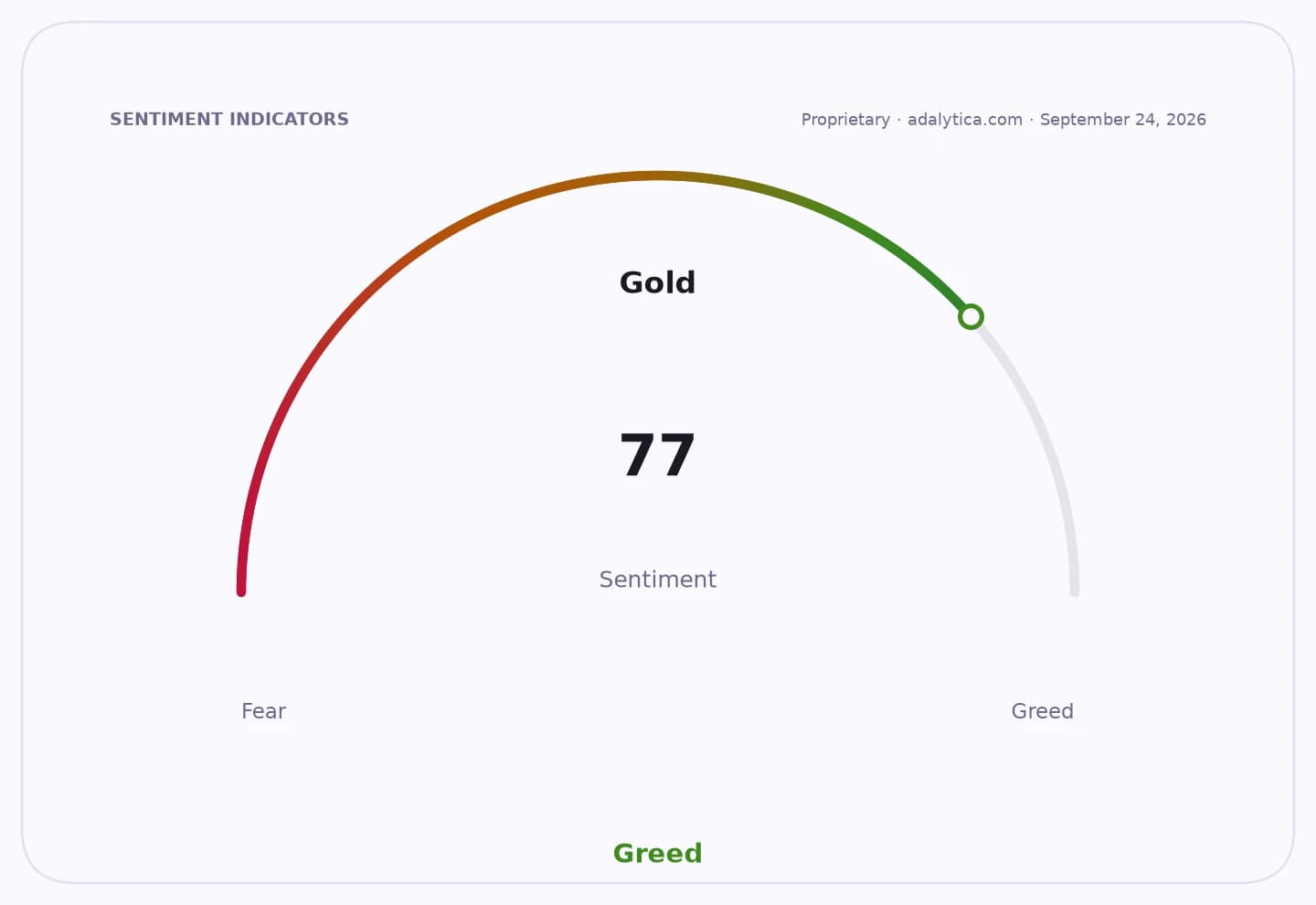
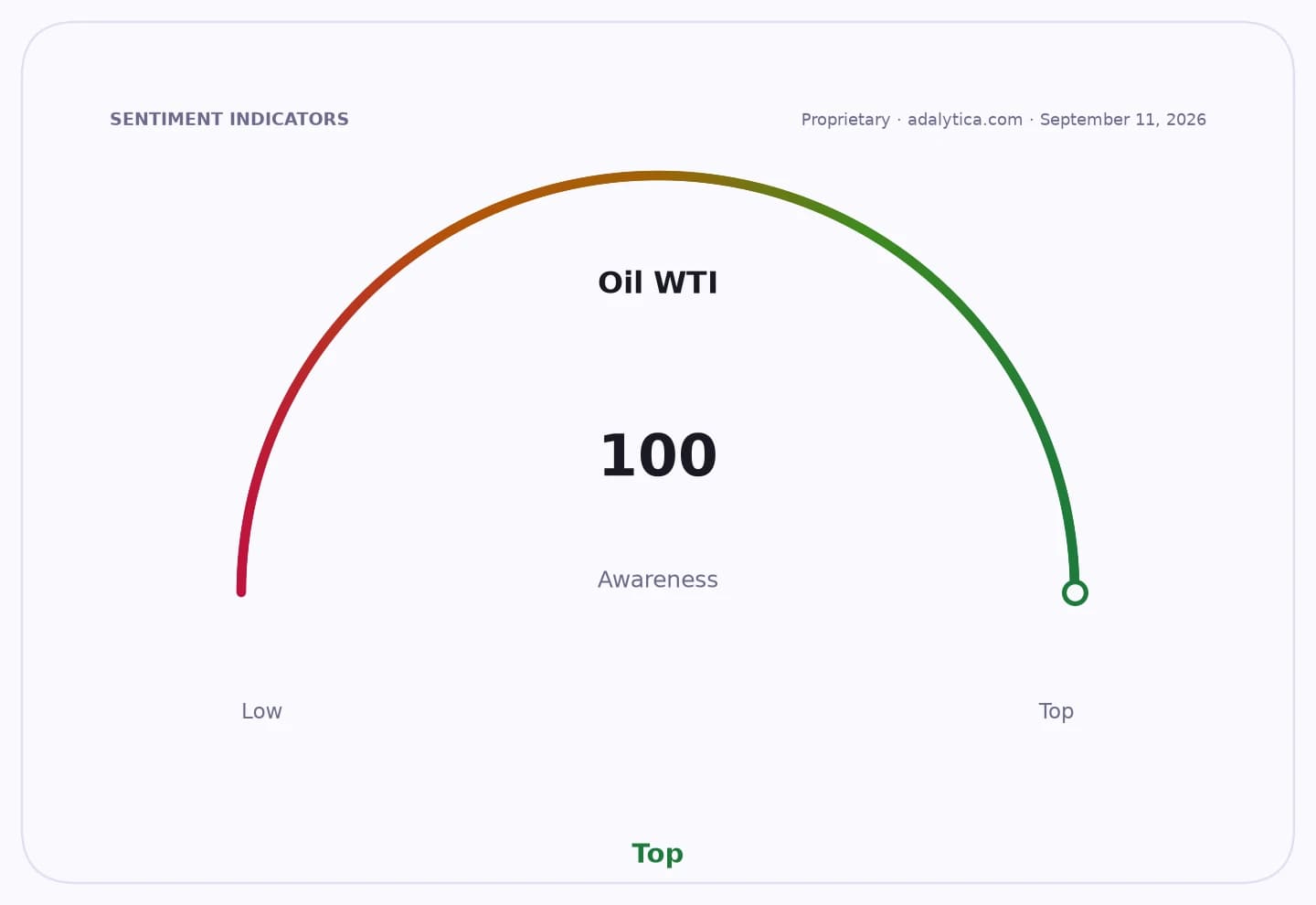
Sentiment IndicatorsⓘProprietary · adalytica.com · September 1, 2026
This is a snapshot — live sentiment, awareness and momentum for 130+ markets update continuously in the dashboard.Open AlphaPulse

The move comes as energy markets remain elevated and volatile. XLE, the energy sector ETF, has climbed to 63.96, far above its 50-day moving average of 58.36 and its 200-day moving average of 53.97, showing investors continue to pay up for oil exposure. USO, the oil ETF, finished at 133.70, also well above its 50-day average of 121.35 and 200-day average of 106.07. Those levels suggest the market is still pricing in a tighter crude backdrop, which gives exporting states more leverage to experiment with alternative settlement arrangements.
At the same time, the dollar’s tone has been uneven. Adalytica’s US Dollar Trade Signals showed neutral sentiment at 49, with awareness at 58, after a sharp 7-day improvement but a negative 30-day change. That leaves room for policy makers and traders to question how durable dollar strength will be as a transactional anchor. In the geopolitical backdrop, Adalytica’s Global Stability Sentiment sits at 74, but awareness is only 4, reflecting a market that looks complacent even as de-dollarization risks build in the background.

For African energy producers, the attraction is as much political as financial. Dollar dependence leaves them exposed to US monetary policy and to the dominance of Western payment rails, both of which can become tools of leverage in periods of sanctions pressure or diplomatic tension. For buyers, especially in Asia and parts of the Global South, settlement in local currencies, yuan or other non-dollar units can be a way to secure supply, reduce transaction costs and diversify reserve usage.
The bull case is that de-dollarization improves resilience and broadens market access, especially for producers that want to attract investment from non-Western partners or trade outside traditional US-centric banking channels. The bear case is that alternatives can be expensive, illiquid and operationally messy, with currency mismatches and hedging costs potentially offsetting any political advantage. The broader the shift, the more it could pressure the dollar’s role in commodity trade without fully replacing it.
For investors, the main implication is that energy cash flows in Africa may become more policy-sensitive and less mechanically tied to the dollar cycle. That has consequences for sovereign debt, local-currency bond markets, energy-linked equities and commodity traders that rely on stable invoice currencies. The next catalysts will be whether large African exporters, refiners and state-owned firms start signing more contracts outside the dollar system, and whether those deals scale beyond symbolism into repeatable trade flows.
| Entity | Gains | Losses |
|---|---|---|
| African energy exporters | ▲More payment flexibility | ▼Dollar funding reliance |
| Non-US buyers | ▲Cheaper settlement options | ▼Higher hedging complexity |
| US dollar system | ▲Less transactional dominance | ▼Share of commodity trade |
| Energy investors | ▲New diversification themes | ▼Higher FX and policy risk |