AI is starting to look less like a clean productivity story and more like a real inflation problem for the U.S. economy, and that is exactly the kind of shift that could keep the Federal Reserve from cutting rates anytime soon, or even push it back toward tightening if price pressures keep spreading.
AI Buildout May Keep Inflation Sticky
The immediate issue is not that artificial intelligence is blowing up consumer prices everywhere at once. It is that the buildout behind AI is making some key costs stickier at the same time the Fed has been trying to cool inflation. A wave of spending on data centers, chips, power and networking gear is feeding demand for electricity, industrial equipment and high-end electronics. That helps explain why inflation readings remain uncomfortably elevated even as the policy rate sits at 3.63%, far above the zero-rate era investors got used to after the pandemic.
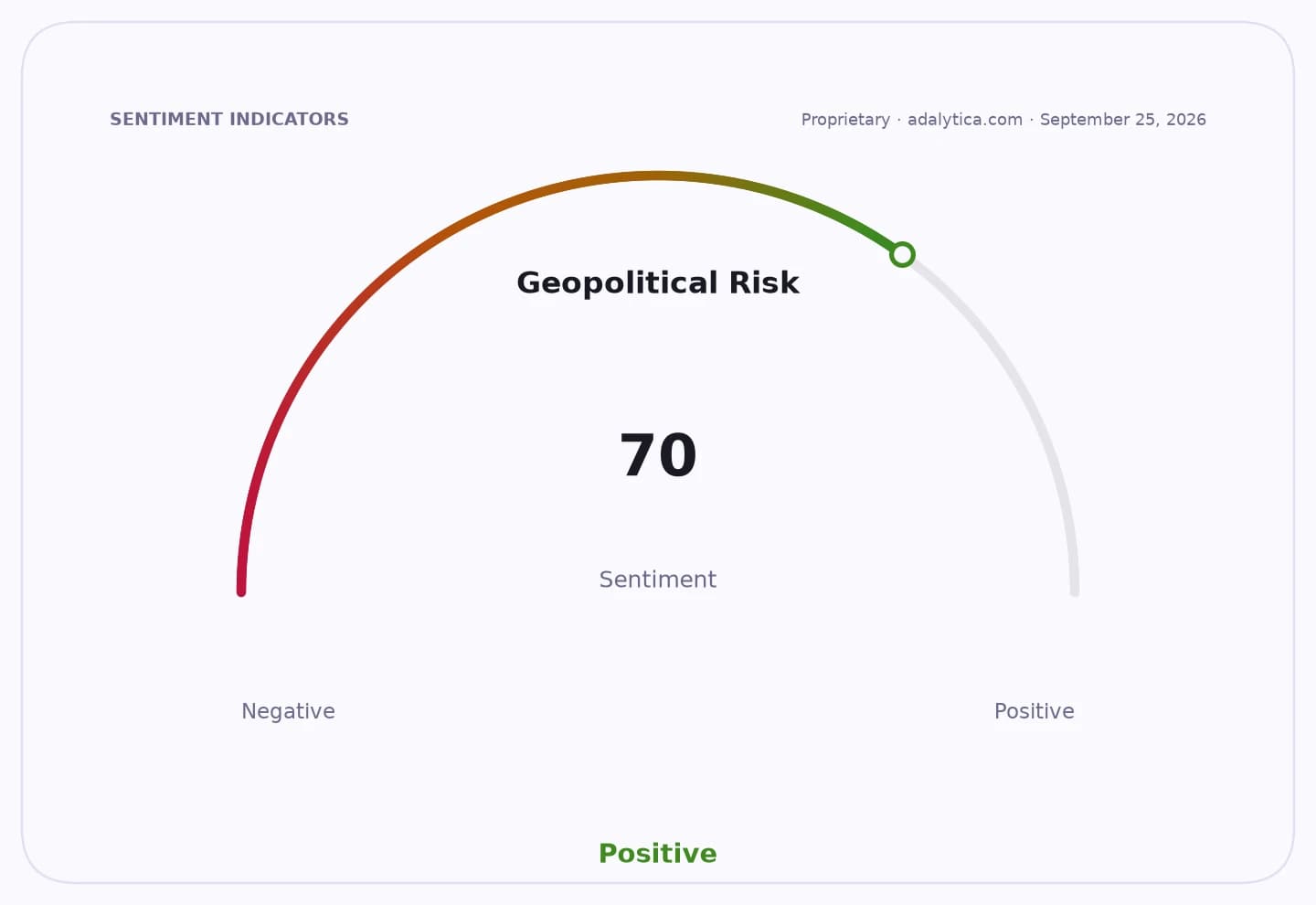
Sentiment IndicatorsⓘProprietary · adalytica.com · July 23, 2026
This is a snapshot — live sentiment, awareness and momentum for 130+ markets update continuously in the dashboard.Open AlphaPulse

The most recent CPI context underscores the concern. The consumer-price index is projected to rise to 335.512 in July from 332.568 in June, after a 0.42% monthly dip. That may not sound alarming in isolation, but it comes with a market backdrop that is already pricing in tighter financial conditions: the 10-year Treasury yield has climbed to 4.688%, up sharply from historical lows, while the dollar has strengthened enough to show greed readings in the Adalytica trade-signal snapshot. Higher yields and a firmer dollar usually do some of the Fed’s work for it, but they also reflect an economy where investors are not fully convinced inflation is beaten.
For investors, that matters because the AI boom is now showing up in both winners and losers. Chipmakers, cloud providers and infrastructure suppliers should keep enjoying strong demand, but the broader market may have to live with a more restrictive rate backdrop for longer. That is especially important for rate-sensitive assets such as long-duration Treasurys. TLT has been sliding, closing at 83.17 on July 23, below its 50-day moving average and still under its 200-day average, with a very weak RSI reading of 18.9. In plain English, bond investors are signaling that they expect yields to stay high, not fall quickly.
CPIAUCSL vs FEDFUNDS — macro contextadalytica.com
Explore this data interactively — full history, time series and cross-market comparisons.Open AlphaPulse

Stocks are also telling a more complicated story. The S&P 500, tracked by SPY, remains above its 200-day moving average, but the latest close of 738.18 was down on the session and well off recent highs, with momentum cooling as the market weighs AI enthusiasm against the risk of persistent inflation. That is the real investment tension here: AI may drive long-term productivity gains, but in the medium term it can also drive the cost of capital higher by forcing the Fed to stay vigilant.
The corporate angle reinforces that point. IBM has already warned that clients are shifting budgets toward AI infrastructure, a reminder that this boom is not free. When businesses reallocate spending toward servers, power and software stacks, some sectors lose pricing power while others gain it. Apple has also pointed to industry-wide supply constraints and rising component costs, which is another way AI investment can spill into consumer prices rather than just corporate profits.
Adalytica’s inflation and Fed-target gauges capture the mood in a blunt way: confidence in the Fed’s 2% goal is sitting at “Extreme Fear,” while CPI sentiment is in fear territory. Markets are not pricing a smooth glide back to target. They are pricing uncertainty, and the more AI expands the economy’s appetite for energy and capital, the harder that target becomes to defend.
That does not mean the Fed is about to start hiking again tomorrow. It does mean investors should stop assuming AI is automatically disinflationary simply because it is digital. Building the physical backbone of AI is expensive, energy-intensive and potentially inflationary. If those pressures persist into the next few CPI reports, the Fed may have little choice but to keep rates higher for longer — and that is a powerful reason to favor durable businesses with pricing power, strong free cash flow and long-term competitive advantages over rate-dependent trades.
| Entity | Gains | Losses |
|---|---|---|
| AI infrastructure builders | ▲More spending, stronger demand | ▼Higher cost scrutiny |
| Consumer households | ▲Potential productivity gains | ▼Higher electronics and power costs |
| Bond investors | ▲Higher carry in new issues | ▼Falling prices on long-duration debt |
| Rate-sensitive stocks | ▲— | ▼Higher-for-longer discount rates |