AI investment is keeping price pressures alive just as the Federal Reserve is trying to finish the job on inflation, and that makes the next phase of policy far more dangerous for borrowers, rate-sensitive sectors and anyone betting on a quick return to cheap money.
AI Capex Keeps Inflation Pressure Alive
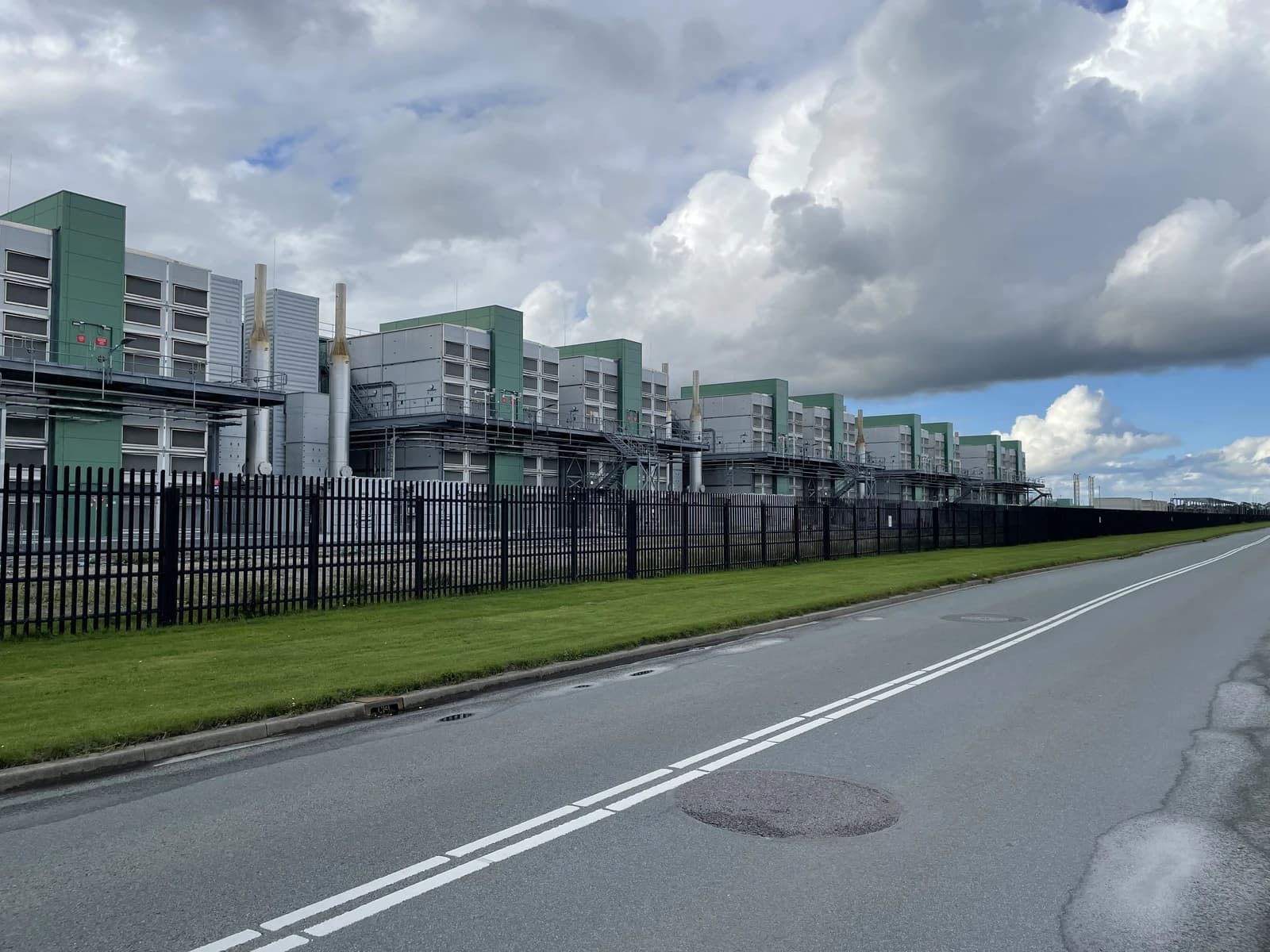
The problem is not broad-based overheating so much as a highly concentrated wave of demand tied to artificial intelligence. Amazon, Apple and Anthropic are still pouring cash into data centers, servers and compute equipment even with financing costs elevated, and that spending is feeding through into industrial demand, wages and power-intensive infrastructure. In other words, the AI boom is acting less like a normal tech cycle and more like a capital-spending supercycle that keeps money moving through the economy even when the Fed wants it to slow.
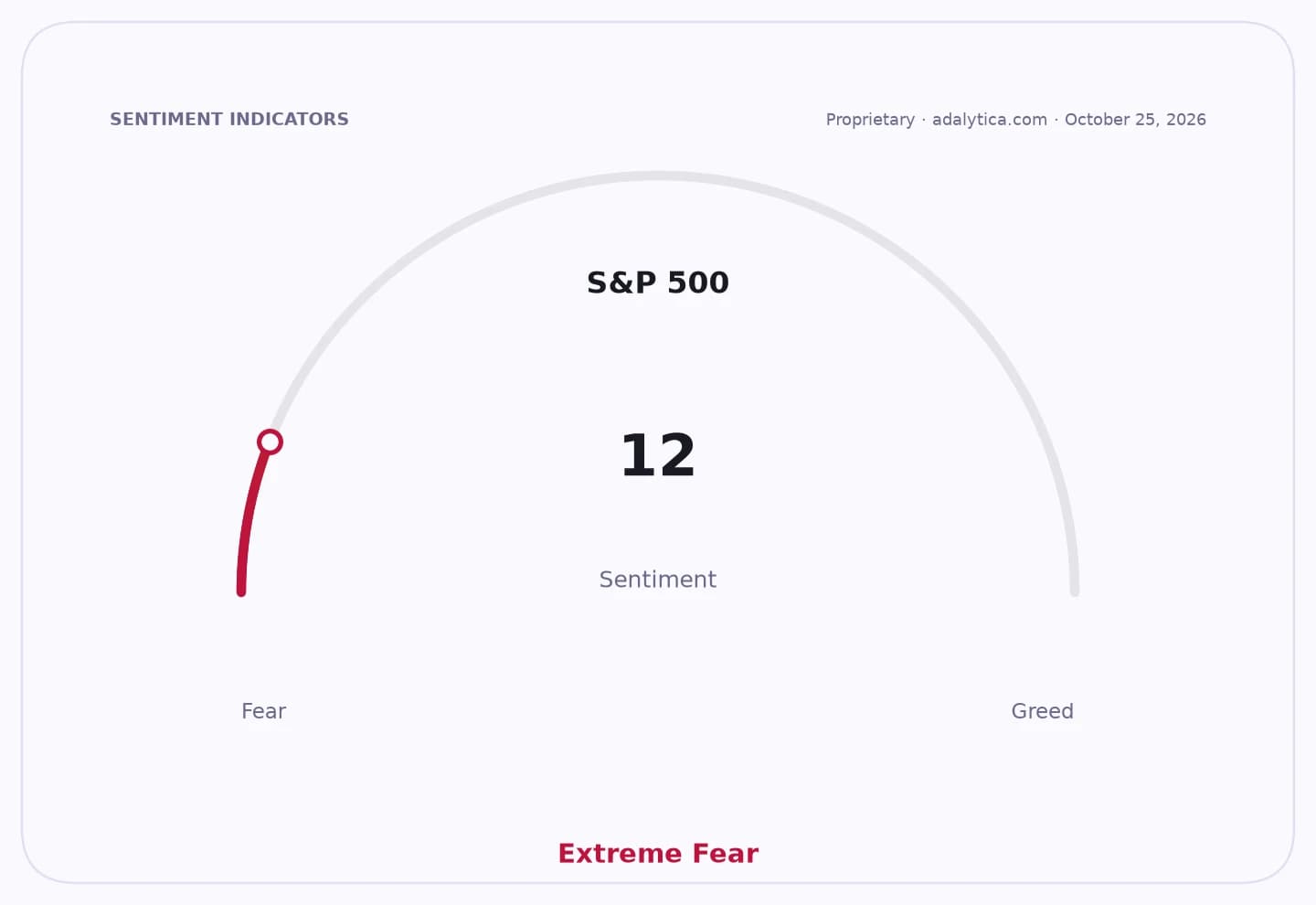
Sentiment IndicatorsⓘProprietary · adalytica.com · October 24, 2026
This is a snapshot — live sentiment, awareness and momentum for 130+ markets update continuously in the dashboard.Open AlphaPulse
That is why conventional rate hikes are proving blunt. Higher borrowing costs are still likely to bite small and midsize businesses, households using credit cards and other debt, and housing-related activity that does not benefit directly from AI. But they do little to curb the spending power of megacap technology companies that can fund expansion from vast balance sheets and customer cash flows. The result is a two-speed economy: AI-linked sectors keep expanding, while credit-dependent parts of the economy absorb the tightening.
The inflation data underline the tension. US core consumer prices have risen to 338.896 in September from 336.121 in May, while the producer price index has climbed to 295.708 from 290.281 over the same period, showing that upstream cost pressure has not disappeared. Industrial production is also edging higher, reinforcing the view that demand remains resilient enough to keep the Fed from declaring victory. Against that backdrop, the central bank is expected to hold its benchmark rate in the 3.75% to 4.0% range at its Oct. 27-28 meeting, but officials are still weighing whether further tightening will be needed.
For investors, the bigger message is that AI is no longer just an earnings story — it is a macro story. The market underestimates how much AI capex can distort the inflation path and keep rates higher for longer, even as growth slows elsewhere. That should support the names that sit on the picks-and-shovels side of the boom — chips, networking gear, data-center infrastructure, power and cooling — while pressuring sectors that depend on cheap credit, from housing to smaller domestic cyclicals.
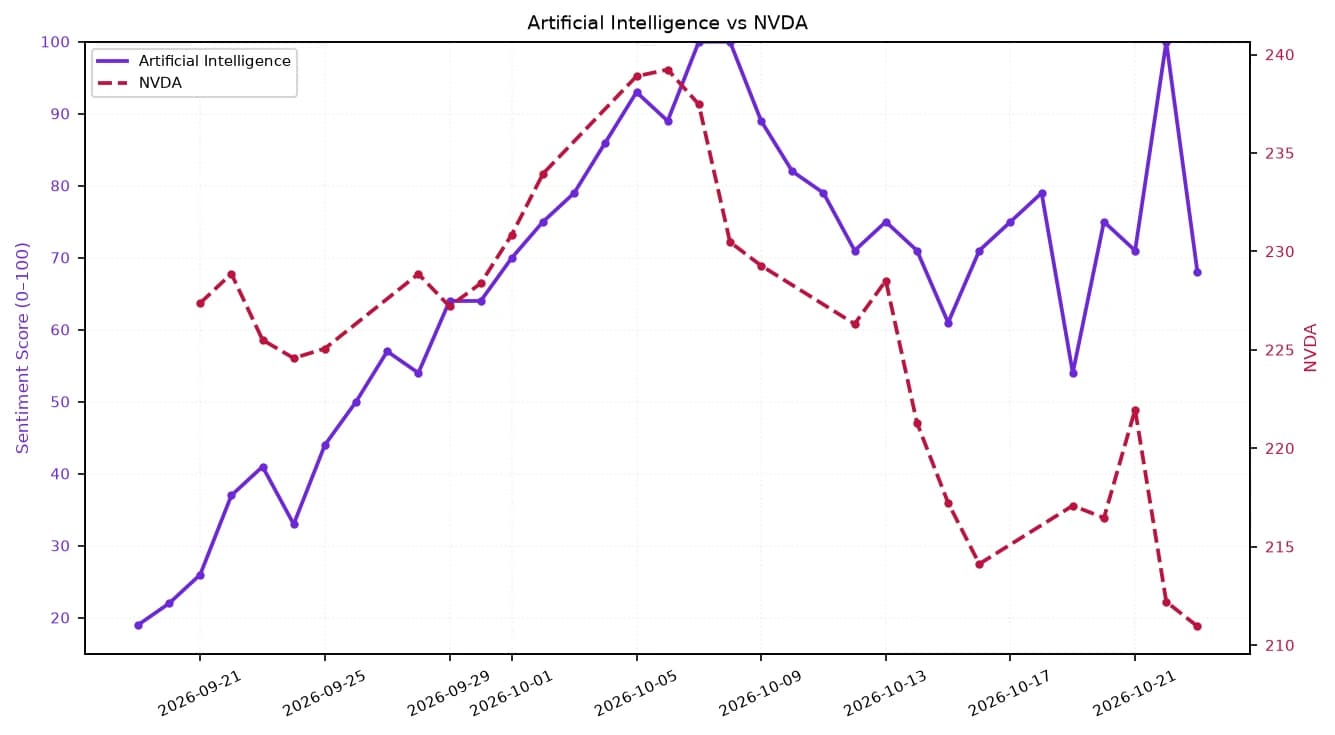
There is already evidence in the market. Nvidia has been volatile, but it remains the clearest proxy for AI infrastructure demand, while Microsoft’s shares are holding above their 200-day moving average even after sharp swings, reflecting investor confidence that AI monetization will justify the spending. The semiconductor ETF SOXX, meanwhile, has been hit hard, with its relative weakness and deeply oversold RSI readings showing how quickly the market is punishing any sign that the AI trade is crowded or that margins could get squeezed by financing and supply-chain costs.
The trade from here is not to fade AI, but to position for the inflation consequences of AI. I believe the market is still pricing this as a normal growth cycle when it is really a capital-intensive, inflationary infrastructure buildout. That favors the suppliers of compute, power and networking over the consumers of credit, and it argues for staying overweight the AI supply chain while being selective on duration-sensitive sectors that will feel the full force of a Fed that cannot cut aggressively until inflation cools decisively.
| Entity | Gains | Losses |
|---|---|---|
| Nvidia and chip suppliers | ▲AI capex boom | ▼Higher volatility, valuation risk |
| Microsoft and megacap spenders | ▲Long-term AI scale | ▼Near-term margin pressure |
| Housing and small businesses | ▲— | ▼Higher borrowing costs |
| Fed hawks / inflation watchers | ▲Policy credibility | ▼Slower growth tolerance |