AI moved to the center of the climate debate at COP31 as the UN climate chief urged governments and companies to use the technology responsibly, underscoring both its promise in climate forecasting and its growing environmental cost. For investors, the issue is no longer just whether AI can help with climate protection, but whether the industry can scale without triggering a backlash over energy use, emissions and reliability.
AI climate debate at COP31 hits Nvidia, Microsoft
Artificial Intelligence
The immediate economic significance lies in the collision between a fast-growing AI buildout and the power system required to support it. Data centers are already drawing scrutiny for their electricity demand, and that pressure is intensifying as governments search for ways to align digital infrastructure with climate targets. Any push for tighter standards, reporting rules or procurement commitments around sustainable AI would affect the economics of the hyperscale cloud and chip supply chain, from model developers to server makers and power utilities.
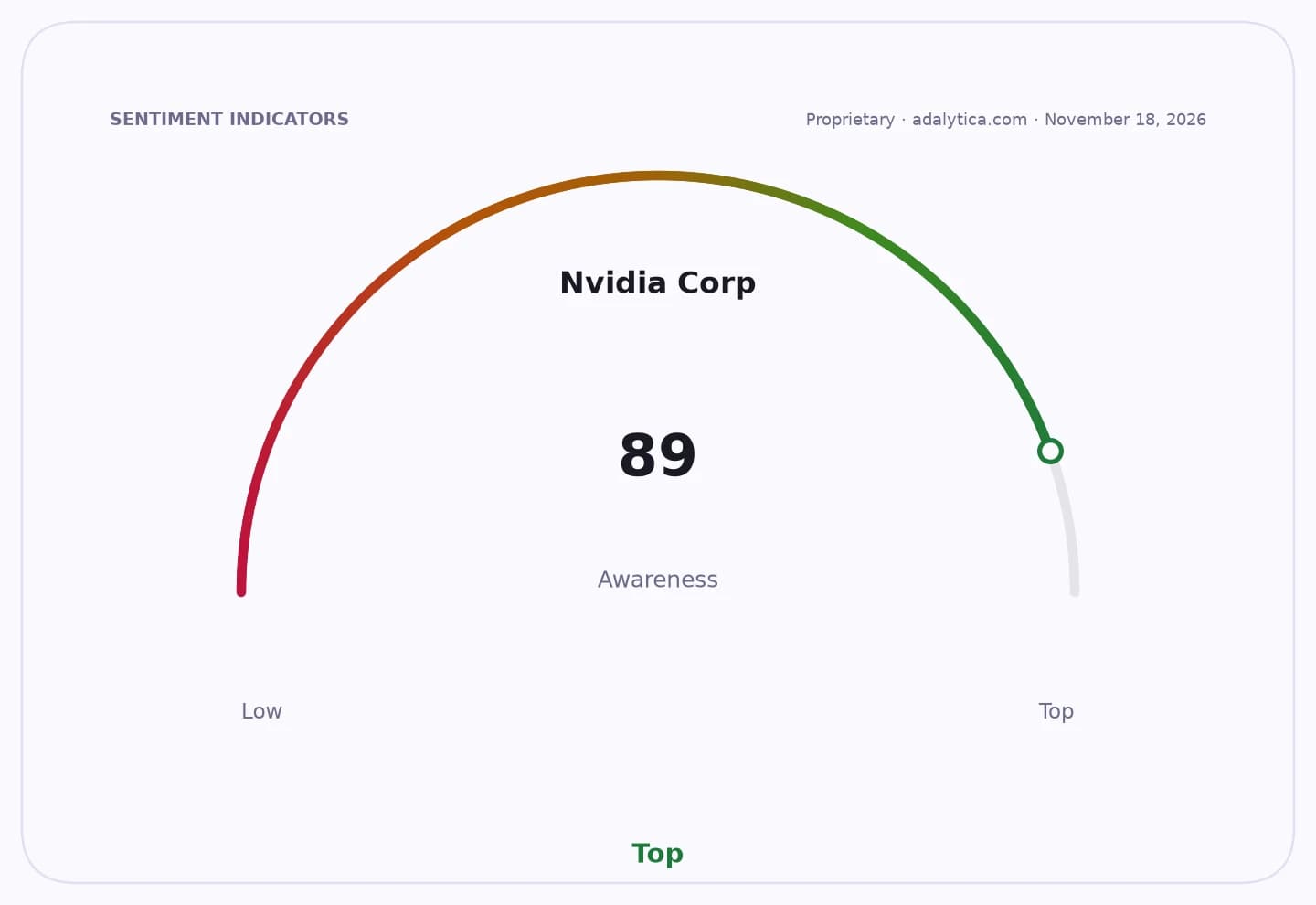
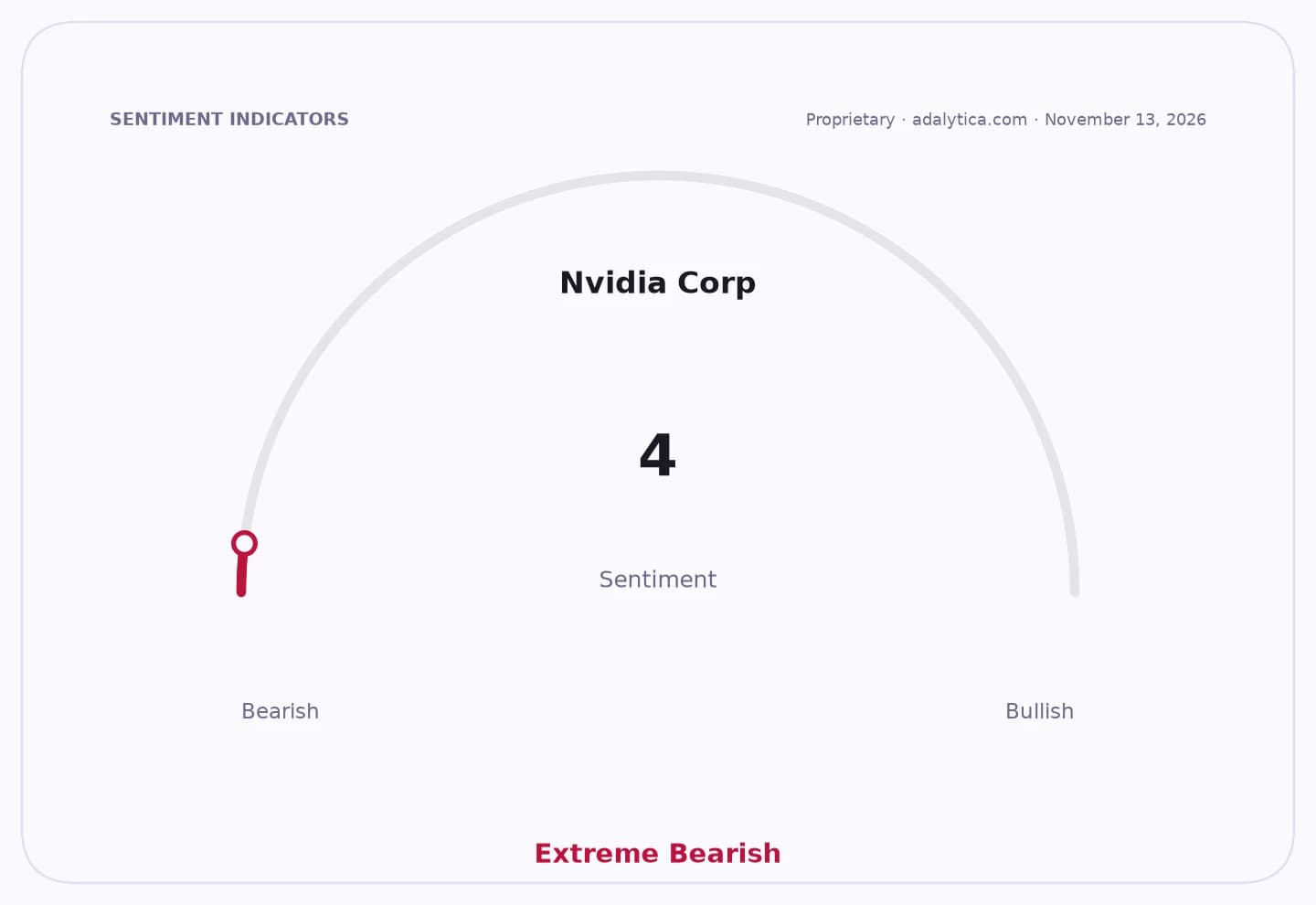
Sentiment Indicators
The COP31 discussion also sharpened a second risk: model quality. A recent study cited in the climate debate found that AI systems can discard accurate climate information when challenged, raising concerns about their usefulness in policy work, disaster response and public communication. That matters because climate modeling and extreme-weather forecasting are among the clearest commercial and social use cases for AI. If trust in outputs erodes, adoption could slow in regulated sectors just as governments and insurers look for better tools to price and prepare for climate risk.
For Nvidia and Microsoft, both central to the AI infrastructure trade, the policy overhang comes as shares have turned volatile. Nvidia has fallen to 156.14 from 227.73 in late August, while Microsoft has eased to 517.99 from an October peak above 520 and from a recent high of 555.80. Those declines reflect broader profit-taking and valuation compression, but they also show how quickly sentiment can reverse when investors start questioning the durability of AI spending. Nvidia’s technical picture is especially weak, with the stock trading far below its 50-day and 200-day moving averages and RSI readings deep in oversold territory. Microsoft remains better positioned technically, but its momentum has also faded.
The market implication is that “responsible AI” is no longer just a reputational theme. It is becoming a capital-allocation issue. Vendors that can prove lower-energy inference, more efficient training and cleaner data-center operations may gain an edge with governments and enterprise buyers. Those that cannot may face higher compliance costs, slower permitting and greater political resistance, especially in Europe and other jurisdictions already moving toward stricter AI oversight.
The Antalya AI Pledge and other sustainability efforts suggest the industry is trying to get ahead of the issue, but COP31 made clear that the debate is only beginning. Investors will be watching whether climate commitments remain voluntary or evolve into procurement standards, reporting requirements and constraints on AI infrastructure expansion — developments that could reshape demand across semiconductors, cloud services and power markets.
| Entity | Gains | Losses |
|---|---|---|
| Sustainable AI providers | ▲Policy favor and demand | ▼Less-efficient rivals |
| Data center operators | ▲Clearer climate rules | ▼Higher compliance costs |
| Climate-focused governments | ▲Better AI tools | ▼Unchecked energy use |
| Nvidia and Microsoft shareholders | ▲Long-term AI adoption | ▼Near-term valuation pressure |