AI is changing customer support from a back-office expense into a strategic lever for retention, product development and revenue, a shift that matters because keeping existing customers is often cheaper and more durable than winning new ones.
AI customer support and SaaS retention
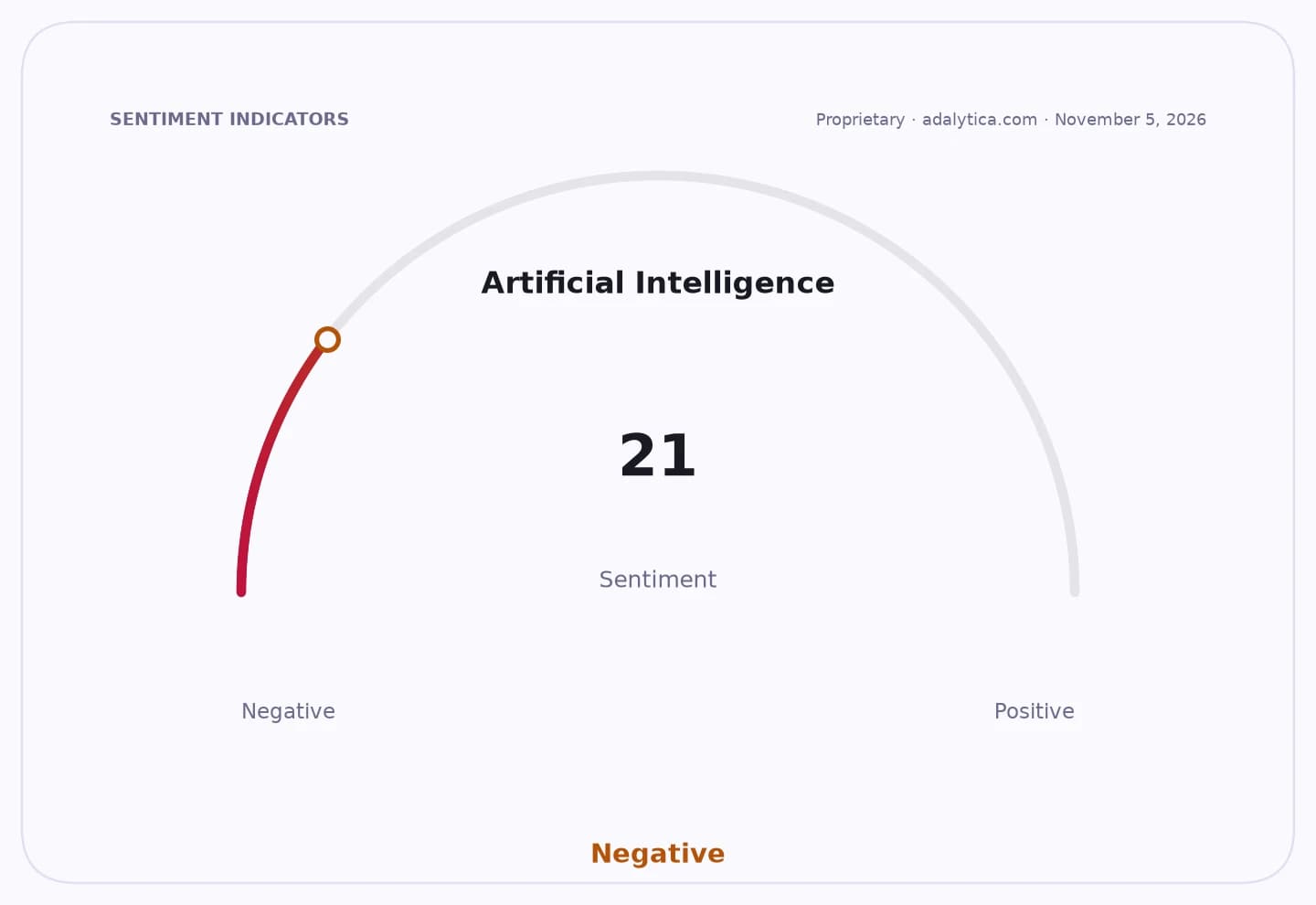
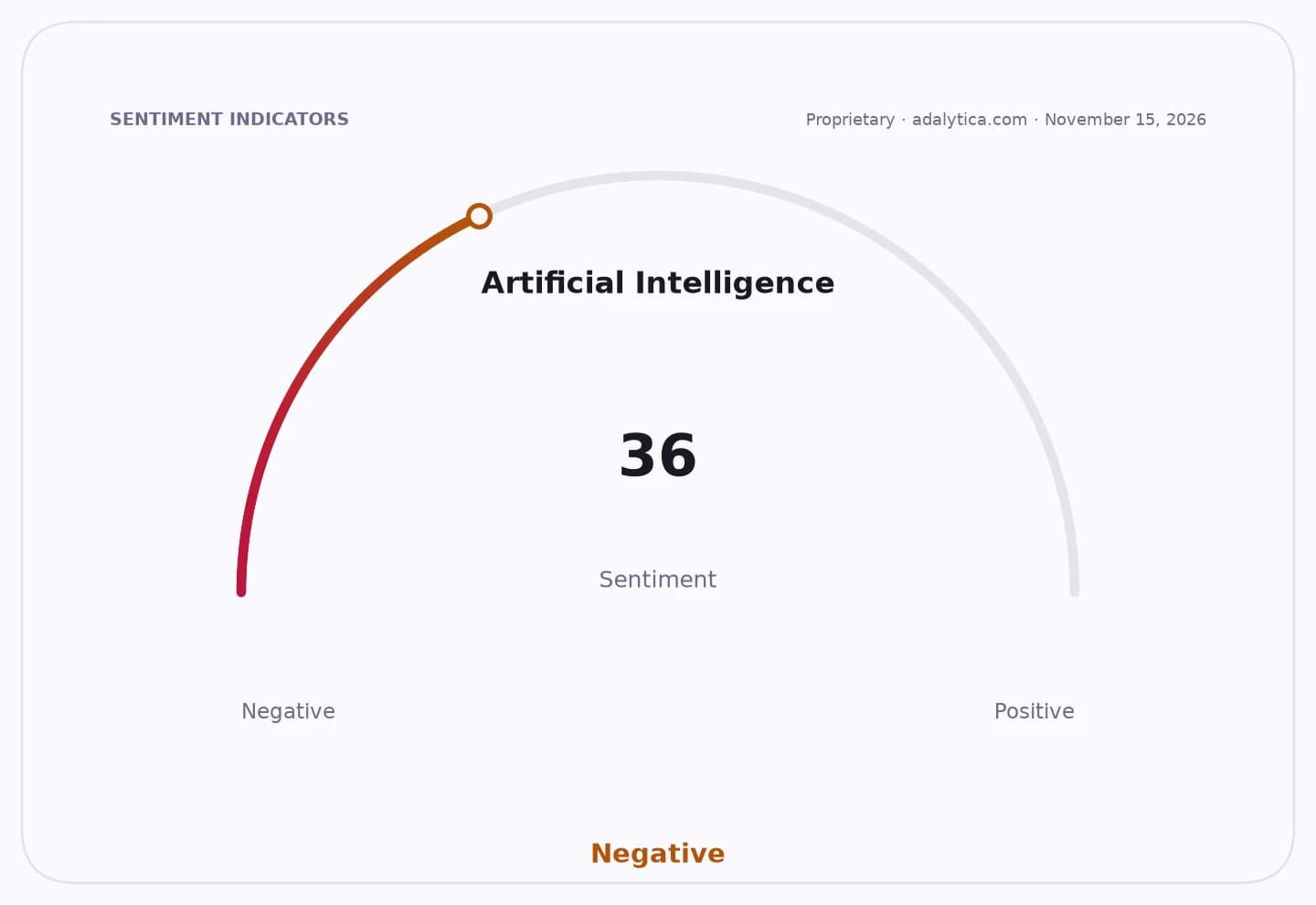
Artificial Intelligence
Krishna Raj Raja’s book “Support Experience” argues that the next phase of customer service is not faster ticket handling but a broader system for reading customer behavior in real time, spotting patterns before they become churn, and feeding those insights back into product teams. That message lands at a time when businesses are under pressure to do more with support budgets while customers expect immediate, personalized answers across multiple channels.
Sentiment Indicators
The economic case is straightforward. Better support lowers churn, improves lifetime value and can reduce the hidden cost of escalations, repeat contacts and product defects that surface late in the sales cycle. In subscription businesses, even small retention gains can have an outsized effect on recurring revenue. Raja’s emphasis on product-led growth reflects that logic: if support helps customers succeed with the product, renewals and referrals become a byproduct of service rather than a separate sales effort.
That is why the examples cited in the book from Apple, Google, Adobe and Salesforce are relevant beyond a single company. They point to a broader operating model in which customer conversations become a data asset. Instead of leaving feedback trapped in ticketing systems and silos, companies can use AI to classify issues, identify recurring pain points and route them to engineering, product and success teams. For investors, that can mean stronger gross retention, lower customer acquisition costs over time and a more efficient path to growth in saturated software markets.
There is also a labor angle. Automating routine support work can free employees for higher-value tasks, which may improve productivity even as it raises questions about staffing needs in large service organizations. The bull case is that AI amplifies human agents and improves response quality; the bear case is that companies may overestimate the technology’s ability to resolve complex customer problems without damaging trust.
The broader trend is visible across the AI ecosystem, where enterprises are increasingly commercializing or adopting AI tools for customer-facing workflows. That suggests support software is moving closer to the center of enterprise spending decisions, especially for SaaS and digital-first firms that live or die by renewal rates.
For investors, the key question is no longer whether companies can deploy AI in support, but whether they can turn it into measurable operating leverage. The winners will be those that use customer data to prevent problems before they hit the inbox; the losers will be those that treat AI as a cost-cutting layer rather than a retention strategy.
| Entity | Gains | Losses |
|---|---|---|
| SaaS firms using AI support | ▲Higher retention | ▼Higher support costs |
| Customers | ▲Faster, more proactive service | ▼Friction from slow responses |
| Support staff | ▲Less repetitive work | ▼Routine tasks |
| Legacy ticketing systems | ▲— | ▼Relevance to AI workflows |