A major speech unveiling standards for AI and data centers is set to tighten the rules around one of the market’s biggest growth engines, raising the odds that the billion-dollar buildout of cloud and AI infrastructure faces higher costs, slower permitting and more scrutiny over power use.
AI data center rules raise buildout costs
That matters because the AI trade is increasingly tied to physical infrastructure, not just software and chips. Communities across the US have already delayed or blocked about $130 billion of data center projects in a single quarter, and New York has paused new construction while it drafts tougher rules for energy-intensive facilities.
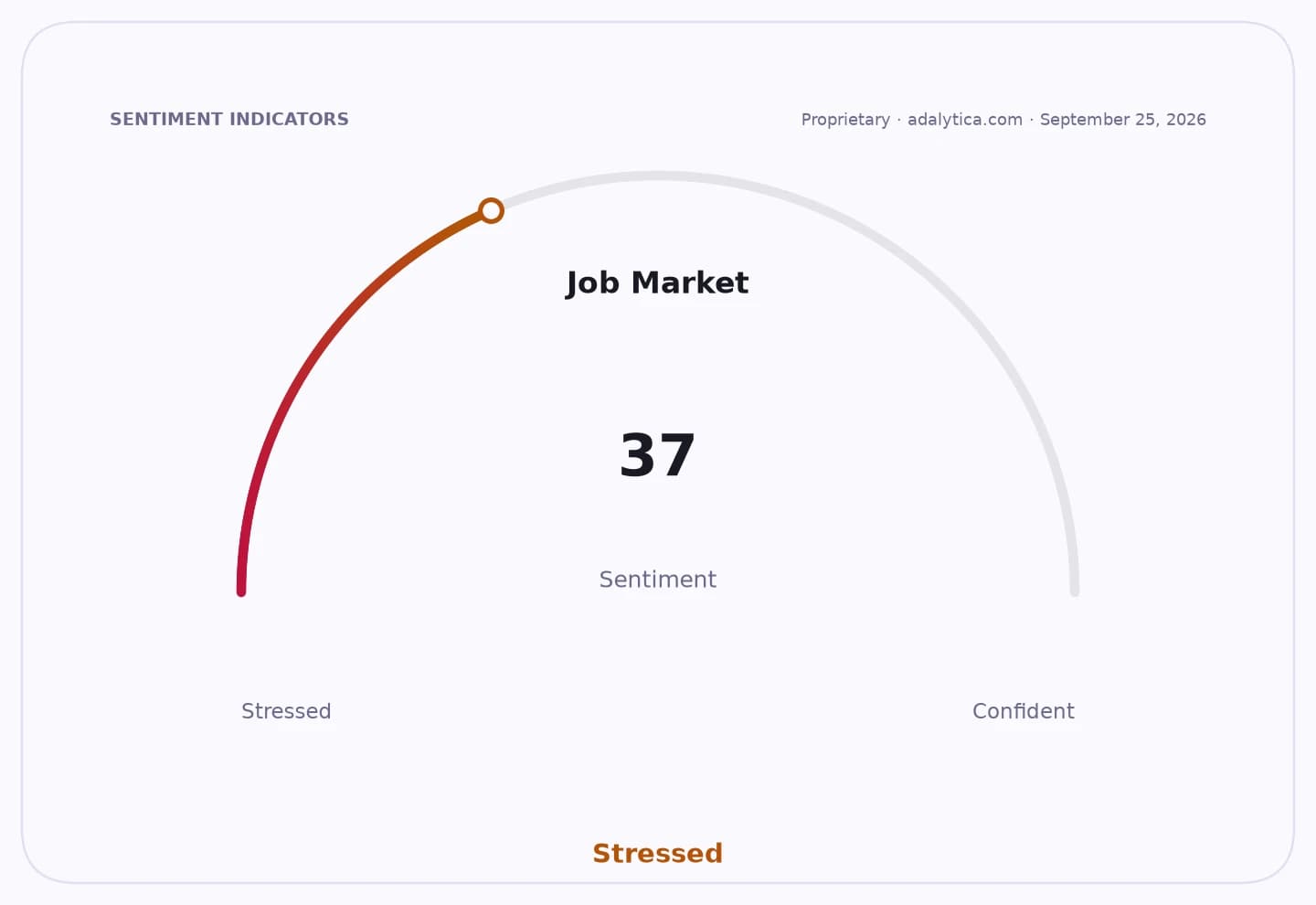
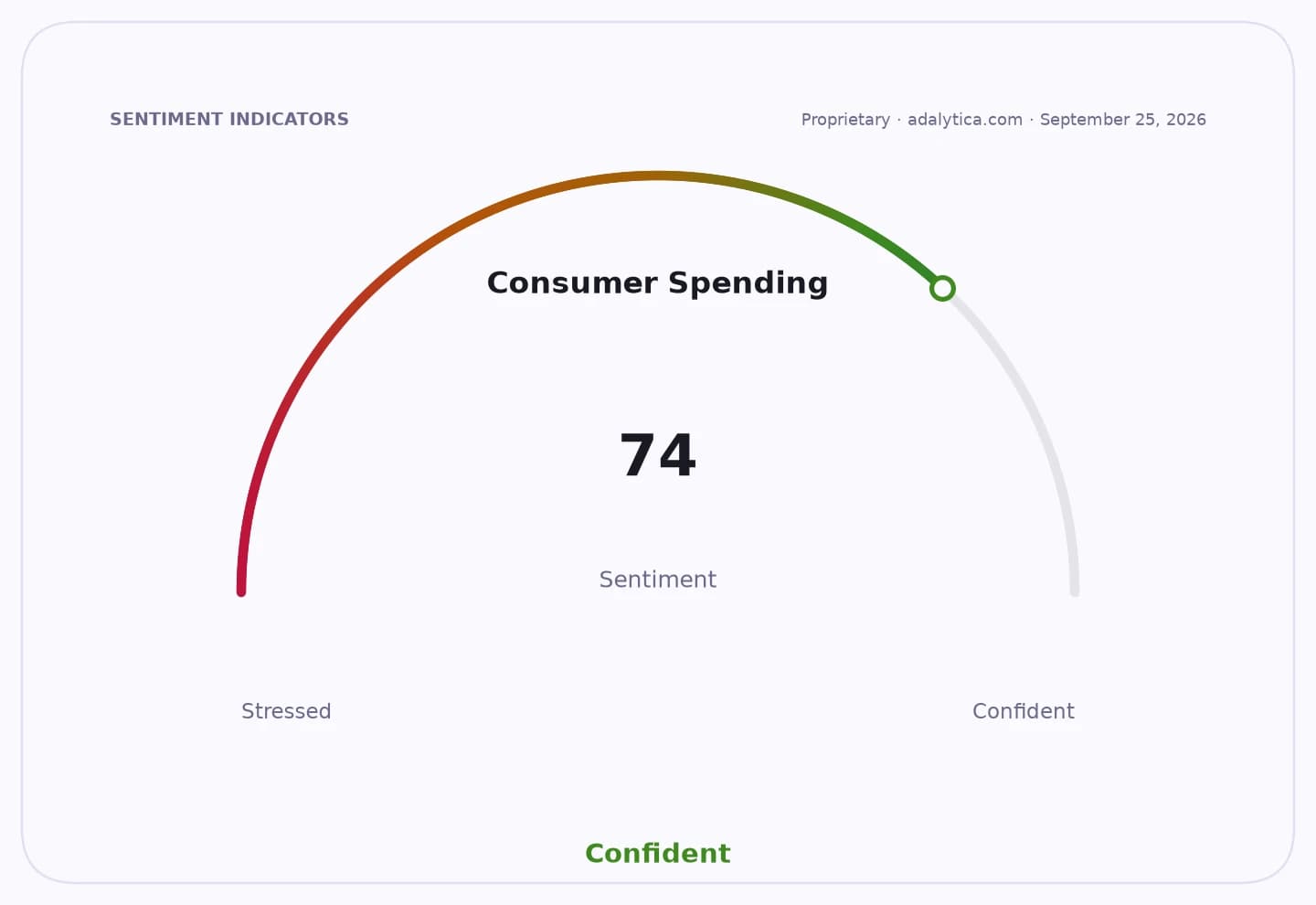
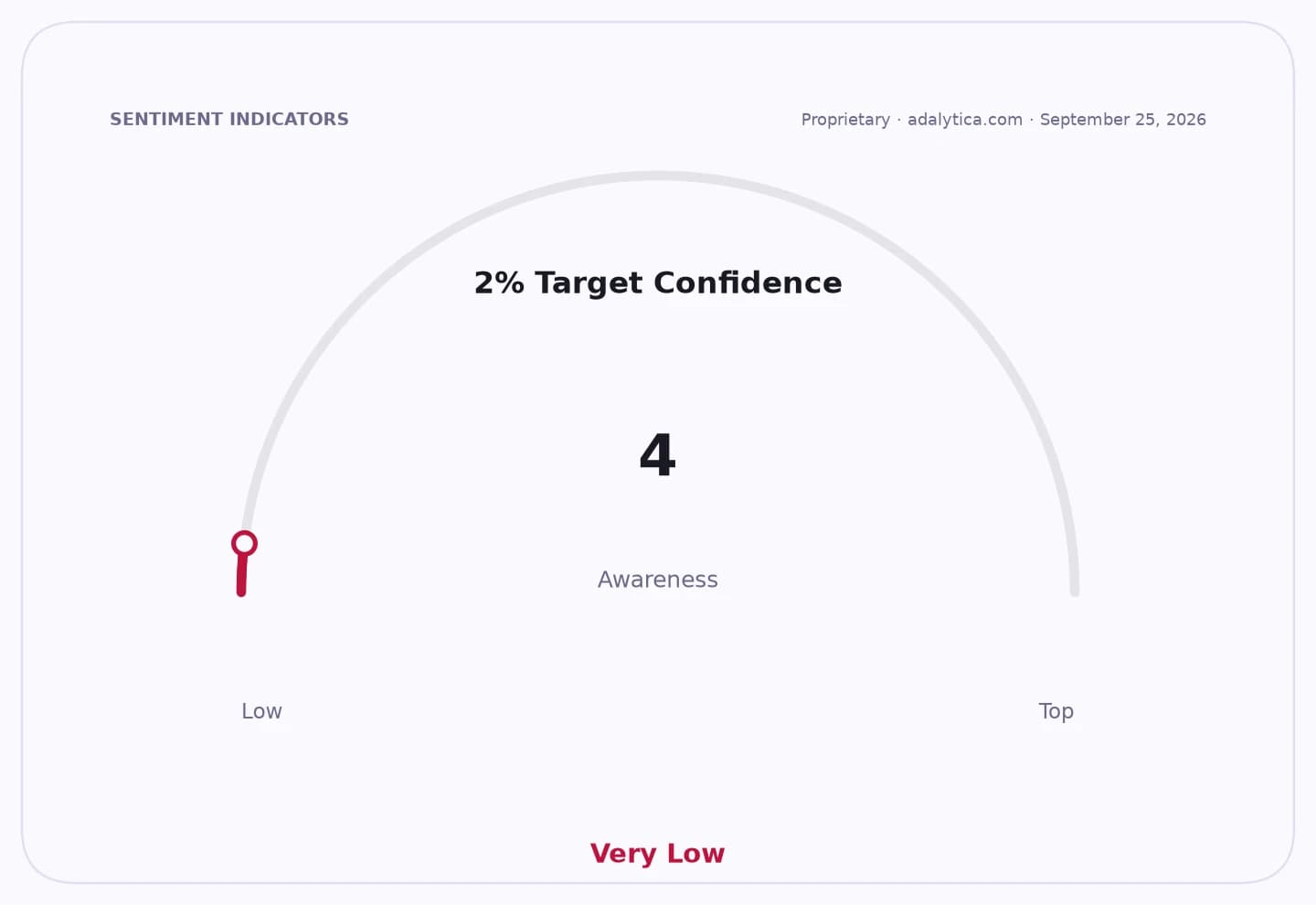
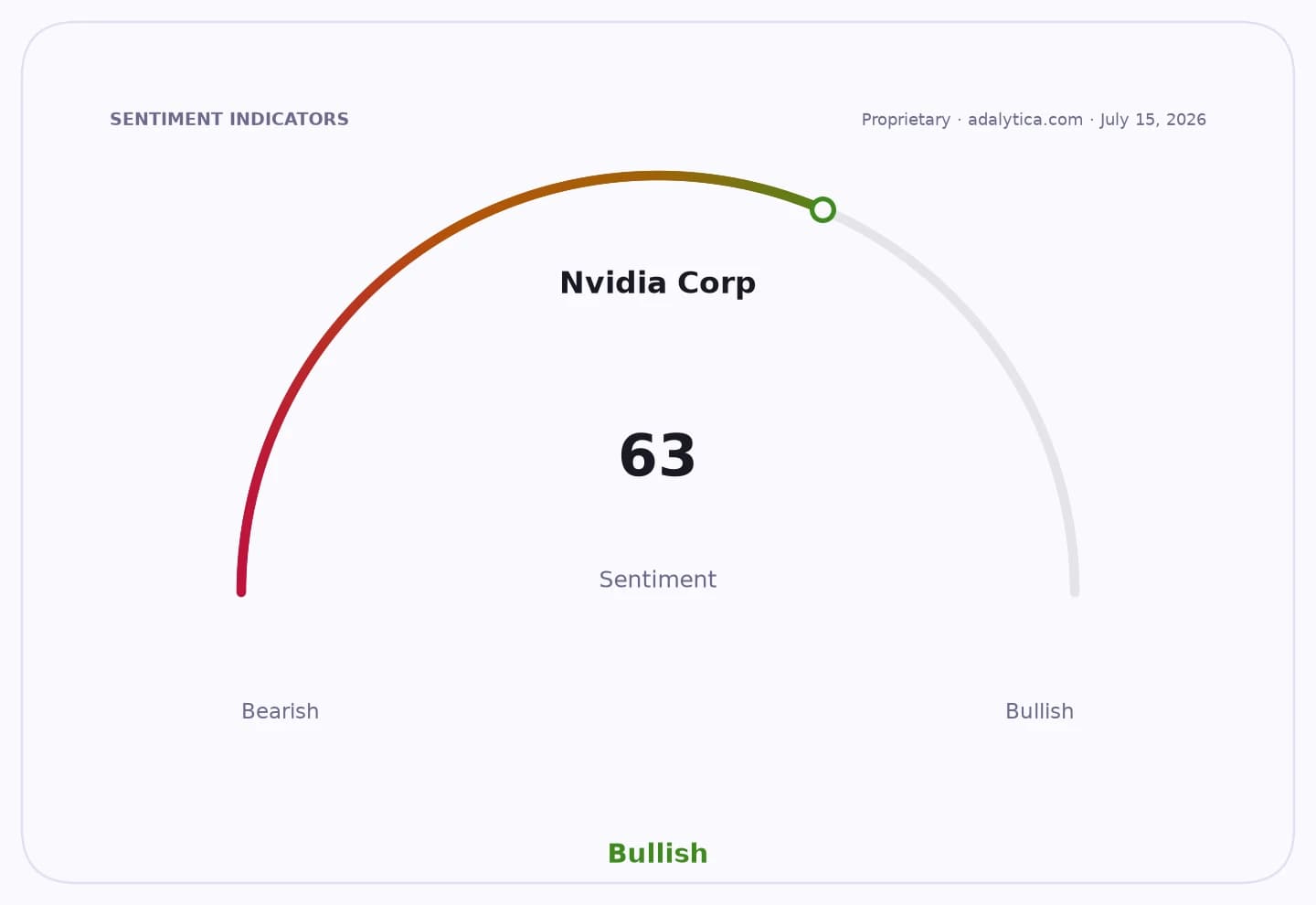
Sentiment IndicatorsⓘProprietary · adalytica.com · July 15, 2026
This is a snapshot — live sentiment, awareness and momentum for 130+ markets update continuously in the dashboard.Open AlphaPulse
For investors, the immediate impact is a possible change in the economics of expansion for hyperscalers and suppliers. More regulation can compress returns on new sites, push project timelines out and lift spending on power, cooling, water management and compliance — all of which can weigh on margins even as demand for compute keeps rising.
The policy shift lands as the industry is still pouring money into capacity. Meta is pressing ahead with a $9 billion data center in western Canada and expanding its largest planned AI facility in Louisiana, underscoring how aggressively big technology groups are racing to secure land, power and permitting before constraints bite harder.
The backdrop is a growing clash between AI demand and local infrastructure limits. The sector’s expansion, which some estimates put above $700 billion this year, is fueling concerns over electricity bills, water consumption and grid strain, making data center location and design a bigger competitive advantage.
The market reaction is likely to favor companies that can secure cheap power, fast approvals and scale in less restricted jurisdictions, while pressuring developers, utilities and landlords exposed to stalled projects. It also keeps the focus on Nvidia, Microsoft and Amazon, whose AI spending plans depend on whether the physical buildout can keep pace with model demand.
Technical signals already show the market is sensitive to that balance. Nvidia has traded above its 200-day moving average after a sharp rebound, while Microsoft remains below its 200-day average, reflecting investor caution toward megacap capex even as AI enthusiasm stays elevated.
The next catalysts are further details on the proposed standards, state-level responses and any evidence that approvals, power contracts or financing for new AI campuses are slowing. If the rules prove broad, the AI infrastructure boom may not stop — but it will likely get more expensive and more selective.
| Entity | Gains | Losses |
|---|---|---|
| Regulators | ▲More oversight | ▼Faster project approvals |
| Big Tech hyperscalers | ▲Clearer standards | ▼Higher compliance costs |
| Utility and power providers | ▲Higher demand for grid upgrades | ▼Delayed or canceled projects |
| AI infrastructure developers | ▲Long-term rule certainty | ▼Near-term permitting delays |