AI-linked data centre stocks were hit this week after Democrats’ gains in the US midterms elevated the risk of tougher rules on the power-hungry infrastructure underpinning artificial intelligence, forcing big tech companies to defend one of their most capital-intensive growth engines.
AI Data Center Stocks Fall on Midterm Policy Risk
Artificial Intelligence
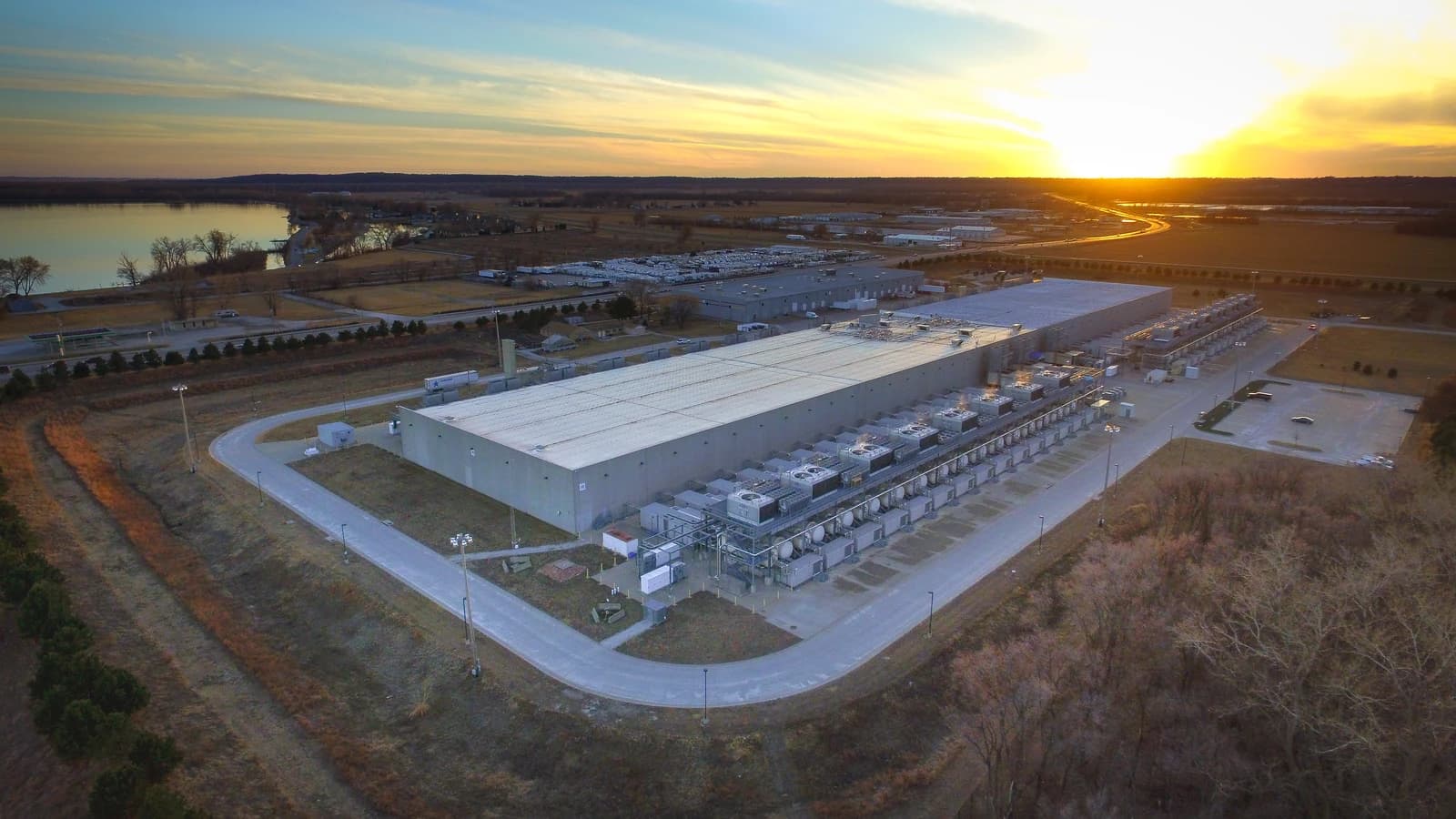
The market reaction matters because data centres are not just a real-estate story but the physical bottleneck for AI deployment: they need land, electricity, water and grid upgrades, and they now face a clearer political target. Investors have spent the past year treating AI infrastructure as a secular growth trade; the midterms raised the odds that permitting, local opposition and energy costs become binding constraints on how fast that capex can be converted into revenue.
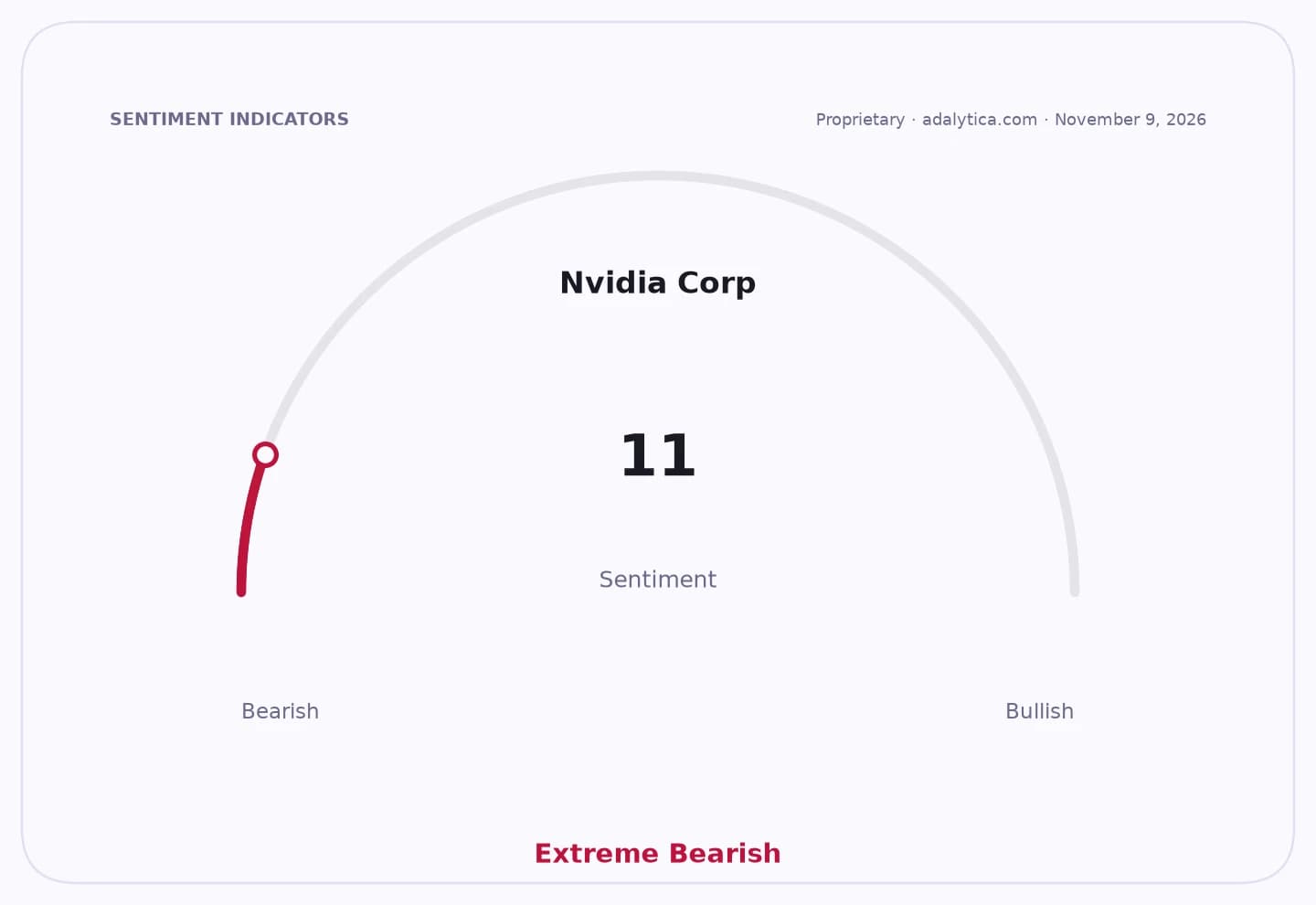
Sentiment Indicators
OpenAI responded first with a charm offensive, rebranding data centres as “computer campuses” and pledging new community commitments, including disclosure of construction plans, noise studies and water usage. It also said it would cover electricity and grid-update costs in affected areas. The move suggests the company sees political acceptance as becoming as important as technical scale, though it remains unclear how much of the new framework would apply to partner-owned sites such as those linked to Oracle.
Meta, which fell about 4% on Thursday, has a direct exposure through its planned $1 billion Ohio data centre and a network spanning 23 US states. President Dina Powell McCormick said the election results would make it harder to build data centres and acknowledged the industry had not adequately explained the benefits of the investment wave. That is significant for investors because Meta, like peers, is committing billions to infrastructure that supports AI models while also absorbing the political risk of becoming the face of local grid strain and environmental backlash.
Artificial Intelligence vs MSFTadalytica.com
Explore this data interactively — full history, time series and cross-market comparisons.
The selloff spread across the semiconductor and equipment complex, underlining how a policy shift in Washington can ripple through the AI supply chain. Nvidia dropped 9%, while ASML fell 6%, Infineon 8% and TSMC 10%. Nvidia’s shares had priced in relentless demand for AI chips used in data centres; a more hostile permitting and siting environment raises the risk that some projects slip, scale back or face higher costs. That does not mean the AI build-out stops, but it could alter its pace, geography and profitability.
Elon Musk’s xAI-related ambitions also came into focus after he wrote that “data centres in space” looked appealing, following the election outcome. His Tesla shares fell 2% this week and SpaceX about 4%. The remark was part joke, part signal: if onshore infrastructure becomes more politically contested, the industry may increasingly market cleaner power, greater transparency and even alternative siting options to preserve growth.
The broader economic issue is that AI infrastructure is becoming intertwined with industrial policy, utilities and local politics. Data centre investment supports construction, power demand and chip orders, but it can also sharpen concerns about electricity prices, water consumption and labour displacement. That tension explains why the backlash has spread beyond the US, with investors now asking whether the next stage of AI expansion will be decided less by product demand than by community consent and regulatory tolerance.
For markets, the immediate question is not whether AI demand exists, but how much more expensive it becomes to deliver. Companies already under construction or already permitted are likely to proceed, but the winners may shift toward firms with better power contracts, more efficient designs and less exposed geography. The losers are the capital-heavy operators whose growth depends on rapid approvals and cheap energy.
| Entity | Gains | Losses |
|---|---|---|
| Community advocates / Democrats | ▲More leverage over siting rules | ▼Faster AI build-out |
| OpenAI / hyperscalers with outreach plans | ▲Better local acceptance | ▼Higher compliance and power costs |
| Chipmakers and equipment suppliers | ▲Continued long-term AI demand | ▼Delays to data centre projects |
| Utilities / grid contractors | ▲More spending on upgrades | ▼Political scrutiny over prices and access |