AI is making homework easier to finish, but that is exactly why educators are worried it may be making learning harder to retain.
AI Education Risks Weaker Critical Thinking
Artificial Intelligence
The central issue is not whether students can produce answers faster with chatbots, but whether they are still building the reasoning, memory and self-correction skills that education is supposed to develop. A 2025 study of 666 participants published in Societies found frequent AI use was linked to weaker critical thinking, with the effect strongest among younger users, while MIT Media Lab research on essay writing found ChatGPT users showed the weakest neural engagement — a pattern the authors described as “cognitive debt.”
Sentiment Indicators
That matters economically because human capital is becoming more valuable, not less, in an AI-driven economy. If students increasingly outsource the mental work of analyzing, evaluating and inferring, the labor pool may enter the workforce with stronger prompt-writing skills but weaker judgment, persistence and domain knowledge. Those are the capabilities employers need when AI-generated output still requires verification, synthesis and decision-making.
For investors, the implications stretch beyond education technology. The likely winners are companies that help institutions assess learning more rigorously, build tutoring systems that guide rather than replace thought, and sell tools for AI literacy and academic integrity. The losers are platforms and software models that simply automate answers, as well as schools and employers that assume output alone is proof of competence. In the longer run, a generation trained to accept the first machine answer could make productivity gains from AI look less durable than expected.
The debate is emerging just as schools and universities scramble to respond. The source material points to mounting academic misconduct cases, including nearly 3,000 alleged cases reported by the University of Sydney last year, and to policy shifts such as the introduction of AI literacy as an optional subject in Romanian high schools. The message from educators is converging: banning AI is unrealistic, but allowing it to do the thinking is a mistake.
That creates a practical challenge for parents, teachers and policymakers. The more AI becomes a default study tool, the more education has to emphasize note-taking, questioning, recall and structured reasoning rather than just getting the right answer on the page. The danger is not that students will use AI — they will. The danger is that they will learn to stop working through problems themselves.
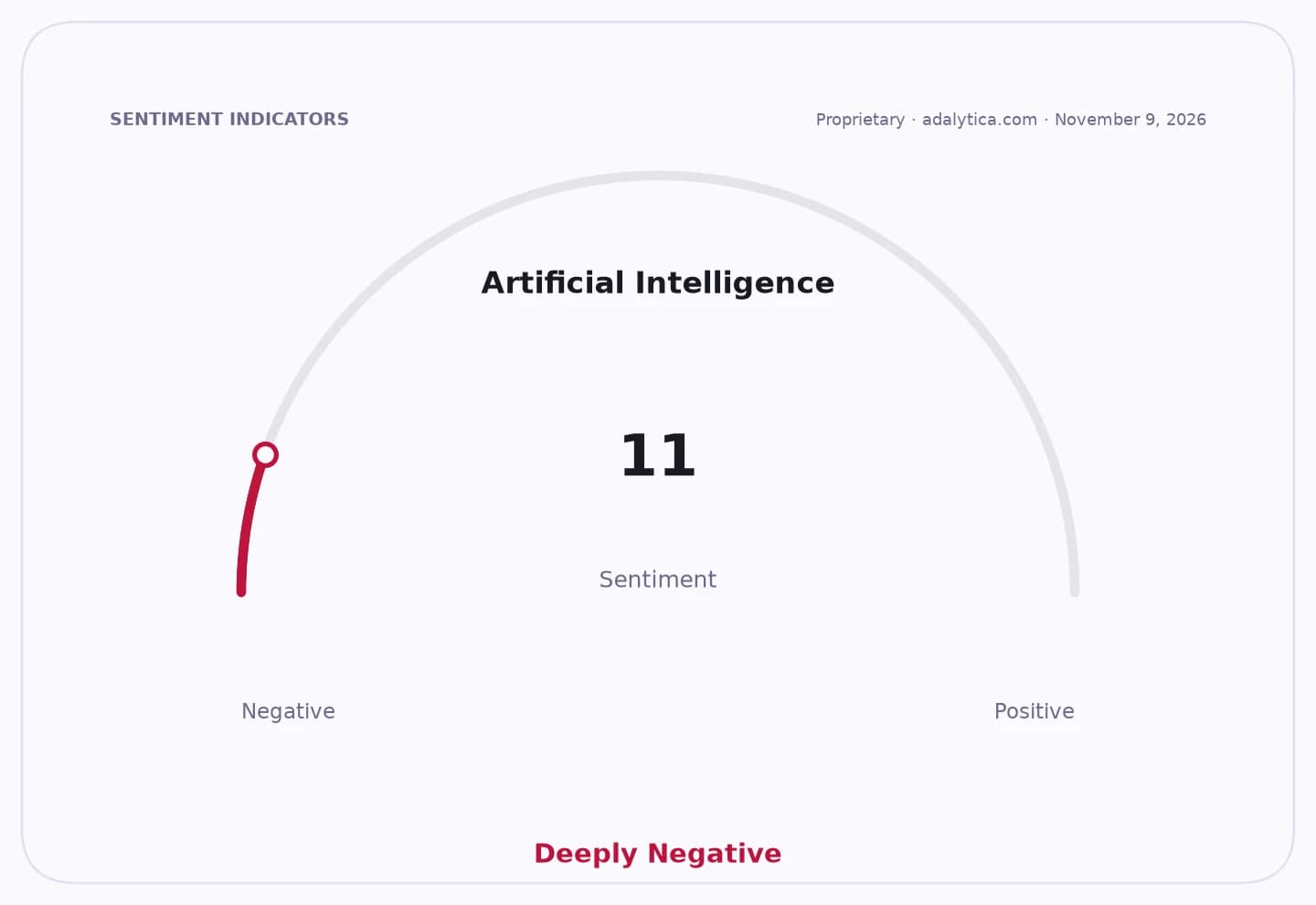
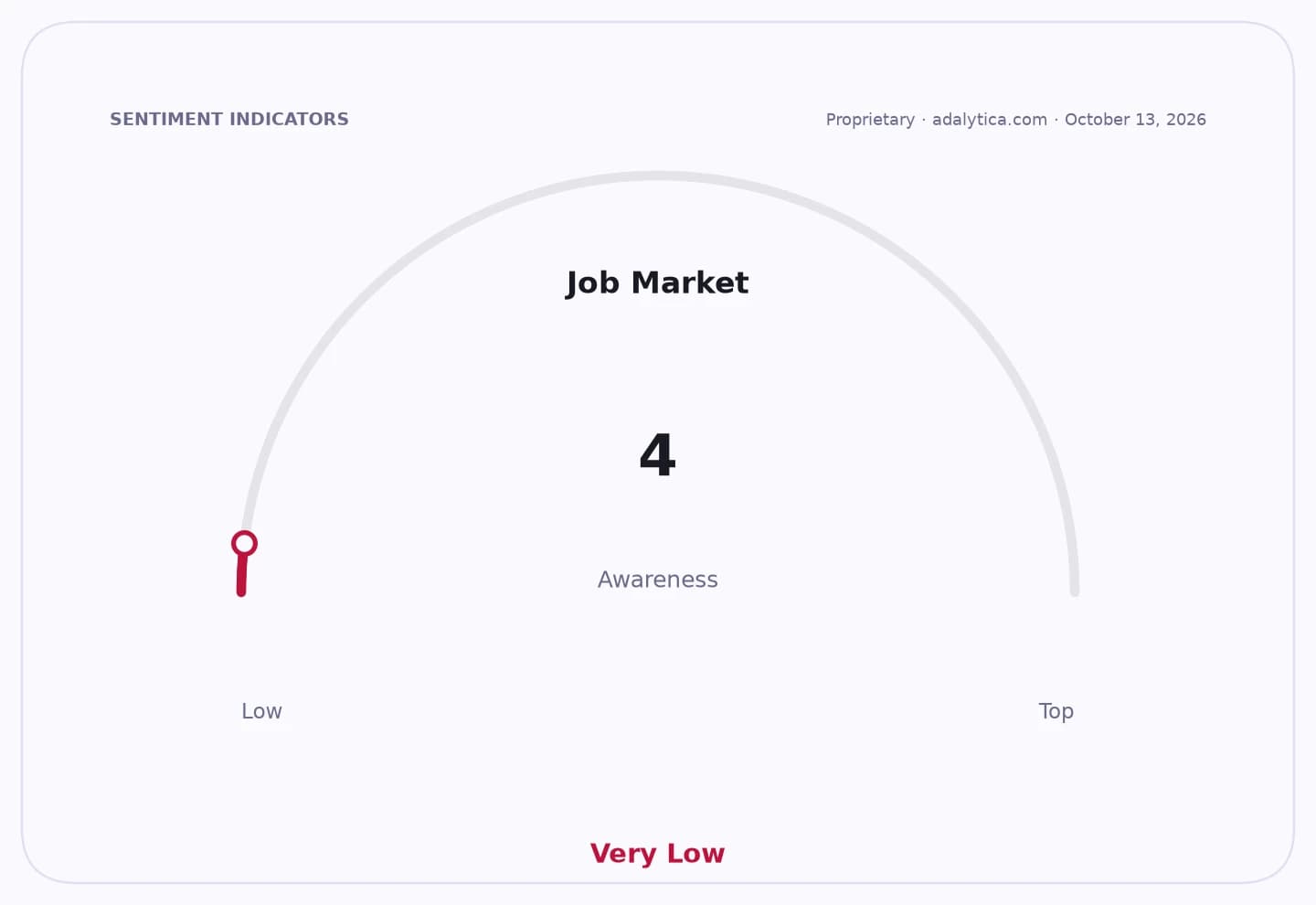
The market backdrop reinforces that tension. Adalytica’s AI sentiment snapshot is neutral at 32, but awareness is at an “extreme fear” reading of 4, underscoring how quickly the conversation has shifted from excitement over adoption to concern about misuse. Microsoft’s own earnings sentiment has fallen to “extreme fear” at 11 even as awareness remains elevated, a reminder that the big AI platforms are increasingly exposed not only to demand-side enthusiasm but also to scrutiny around product behavior, legal risk and the social costs of deployment.
For the industry, that means AI education is moving from a niche concern to a structural issue. The companies that can show their tools improve learning rather than just speed it up are likely to win trust. The institutions that do not adapt their assessments, curriculum and tutoring models risk graduating students who can answer faster but think less well.
| Entity | Gains | Losses |
|---|---|---|
| AI tutoring firms that guide learning | ▲Higher adoption in classrooms | ▼AI tools that only supply answers |
| Schools that redesign assessments | ▲Better integrity and outcomes | ▼Institutions that rely on rote testing |
| Students who build reasoning skills | ▲Durable human capital | ▼Students who offload thinking |
| Employers needing judgment and analysis | ▲Better-prepared recruits | ▼Firms facing weaker critical thinkers |