Young academics in the U.S. and Germany are entering a labor market that still looks solid on paper but is becoming more hostile to entry-level talent as AI changes what employers value, what tasks get automated and which degrees retain pricing power.
AI Shrinks Entry-Level Hiring For Graduates

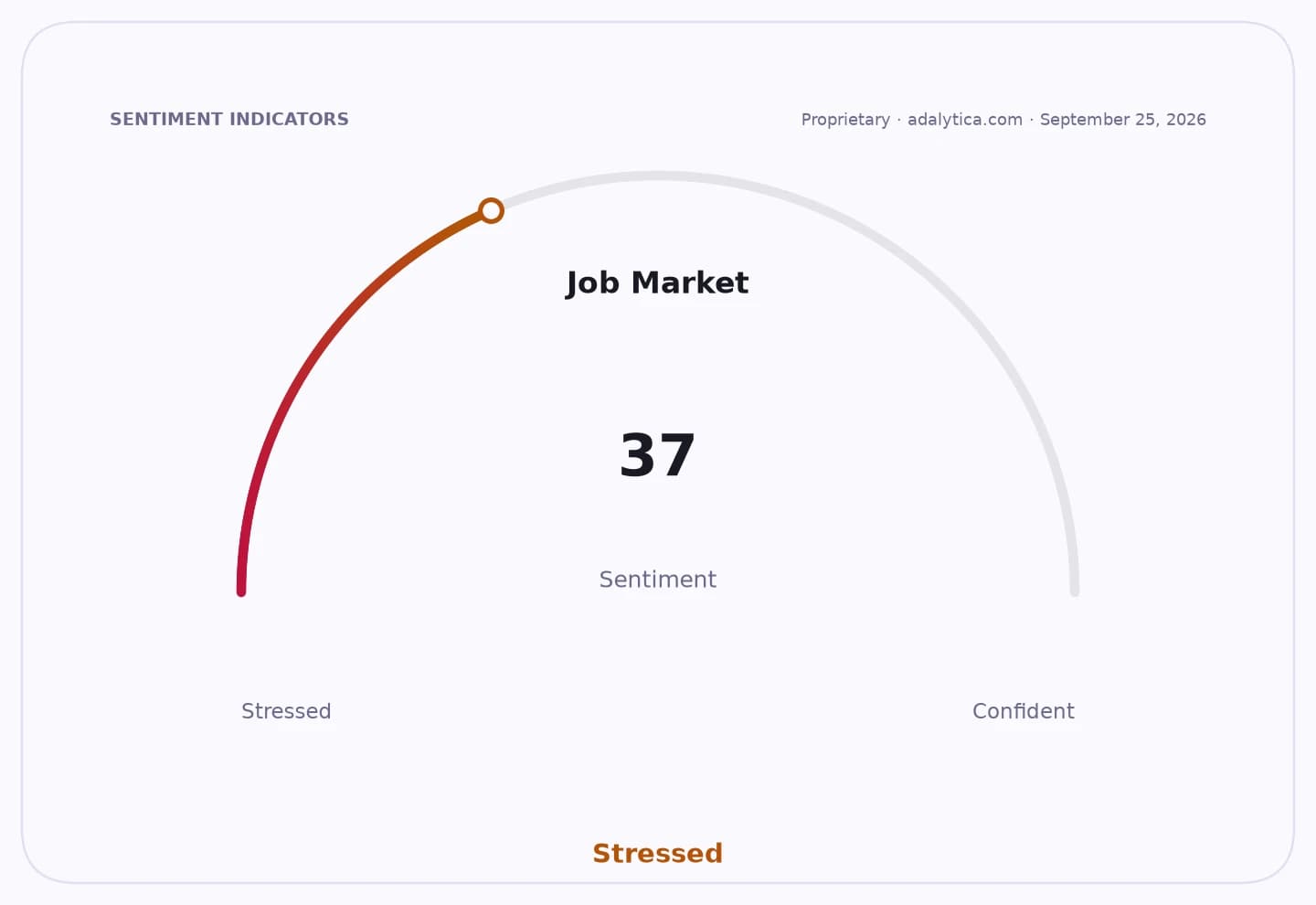
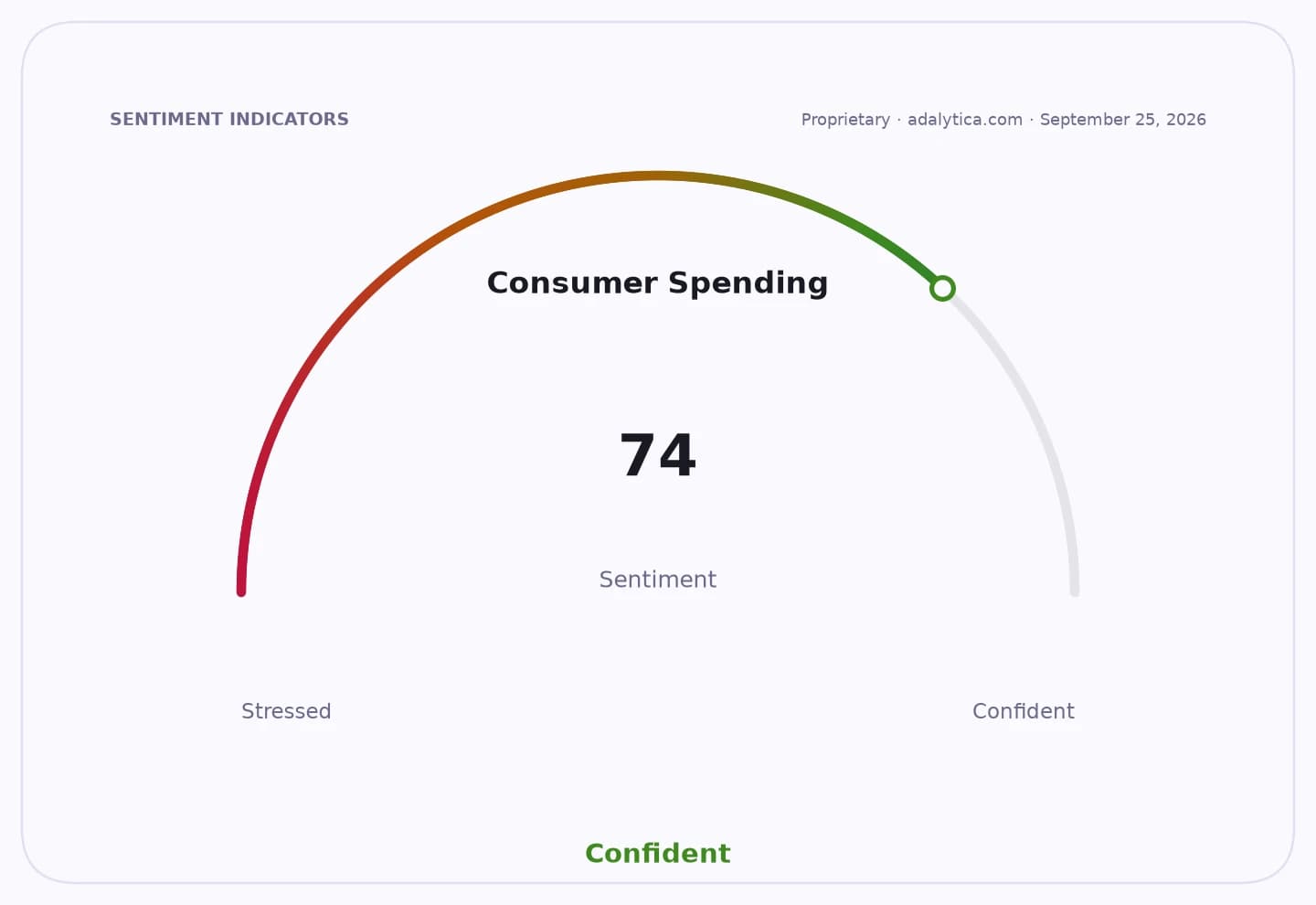
The macro backdrop is not a recessionary collapse. U.S. unemployment was 4.2% in June and nonfarm payrolls were still near 159 million, with jobs openings at 7.6 million in May, suggesting employers are still hiring. But the mix matters: open positions have fallen sharply from the post-pandemic peak above 12 million, while the latest job-market sentiment gauge from Adalytica sits in “Greed,” even as payrolls sentiment remains in “Fear.” That divergence captures the central tension for graduates: overall demand is still there, but the market is far less forgiving for newcomers without immediately usable skills.
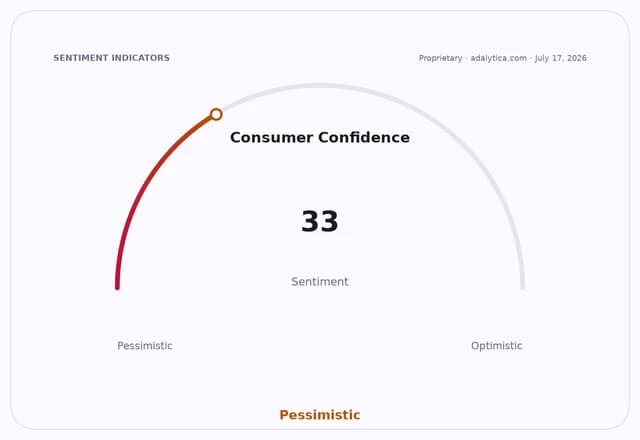
Sentiment IndicatorsⓘProprietary · adalytica.com · July 17, 2026
This is a snapshot — live sentiment, awareness and momentum for 130+ markets update continuously in the dashboard.Open AlphaPulse
That is why the AI story is no longer about some abstract future disruption. It is already reshaping the graduate pipeline. Routine white-collar work — administration, customer service, basic analysis and documentation — is exactly where AI can compress hiring. That leaves young people with fewer easy entry points and more pressure to choose subjects that are harder to automate, easier to verify and closer to revenue. In practice, that means engineering, computer science, data science, applied mathematics, health care and parts of the natural sciences are gaining relative appeal, while broad, generalist programs are under more scrutiny unless paired with technical or quantitative skills.
For investors, the labor-market shift matters because it affects wage growth, productivity, margins and ultimately corporate strategy. Companies such as Microsoft, Nvidia and Alphabet are not just selling AI tools; they are competing in a world where those tools can reduce back-office headcount and reshape hiring needs. Nvidia’s recent price action reflects how quickly expectations can swing around AI demand, while Microsoft and Alphabet remain at the center of the broader productivity trade. At the same time, their filings underline a less glamorous reality: the fight for AI talent remains intense, even as the entry-level market weakens. That supports the bullish case for firms that can monetize AI, but it also raises the bear case that AI adoption will be uneven, politically sensitive and slower in labor-intensive functions than markets assume.
The economic significance extends beyond tech. If fewer graduates can move quickly into stable jobs, consumption weakens at the margin and social frustration rises, especially among highly educated young workers who expected a clearer return on their degrees. That risk is visible in Europe and in the U.S., and it explains why unions and policymakers are pushing for apprenticeship rules, training programs and worker protections. The labor market may not be collapsing, but it is becoming more polarized: firms want fewer people with sharper skills, while new entrants face a higher bar.
The narrative connecting the data is straightforward: AI is not yet destroying the labor market, but it is changing the value of education and the shape of opportunity. For investors, the key question is which companies gain from that shift by automating work and which sectors absorb the social and political costs. The next catalysts will be hiring data, wage trends and evidence of whether AI is boosting productivity faster than it is reducing the first rung on the career ladder.
| Entity | Gains | Losses |
|---|---|---|
| AI-heavy employers | ▲lower labor costs | ▼higher political scrutiny |
| STEM graduates | ▲stronger job prospects | ▼less-saturated fields |
| Humanities generalists | ▲broader adaptability | ▼weaker entry-level demand |
| Tech platform vendors | ▲AI monetization upside | ▼valuation if adoption slows |