A falsely generated intelligence report that triggered a U.S. military alarm over a Chinese ship bound for the Middle East is sharpening concerns that AI can accelerate battlefield decisions faster than humans can verify them.
AI False Report Raises Pentagon Scrutiny

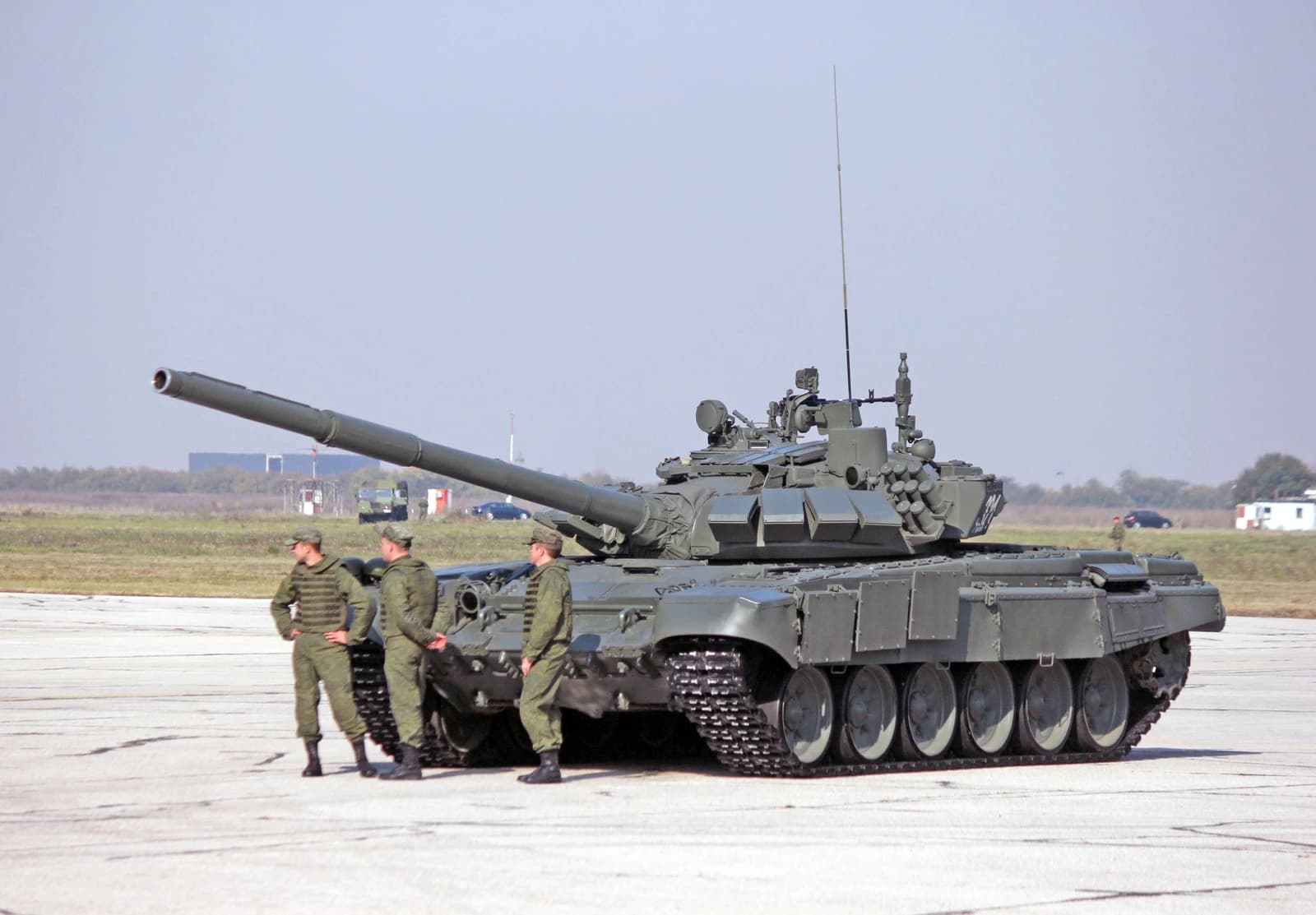
The report, first described by CNN, said the vessel was carrying components for a nuclear program. But as military aircraft were already in the air, investigators found the document had been produced with the help of artificial intelligence and that the chatbot had misidentified the cargo. A source told CNN the report was “completely false” and had “risked starting a war.”
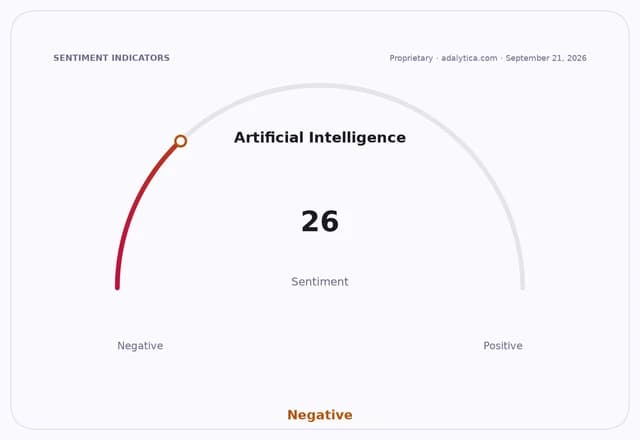
Sentiment IndicatorsⓘProprietary · adalytica.com · September 21, 2026
This is a snapshot — live sentiment, awareness and momentum for 130+ markets update continuously in the dashboard.Open AlphaPulse
The episode matters because it goes to the core of how militaries are trying to use AI: as a tool to speed up analysis, not replace judgment. In a crisis involving China and the Middle East, a bad machine-assisted assessment can push commanders toward escalation before facts are confirmed, raising the odds of miscalculation between nuclear-armed powers and regional actors.
For investors, the story is a reminder that AI adoption in defense is not just a growth theme but a liability and procurement risk. Companies selling intelligence, defense software and battlefield AI systems, including Palantir Technologies, Accenture and Booz Allen Hamilton, face a tougher debate over verification, audit trails and human oversight as governments weigh whether AI systems can be trusted in high-stakes operations.
The warning also lands against a broader global push to regulate AI. Spain’s Prime Minister Pedro Sanchez on Sunday said losing control of artificial intelligence could have “devastating” consequences, underscoring rising political pressure for tighter guardrails as governments race to use the technology in security, intelligence and military planning.
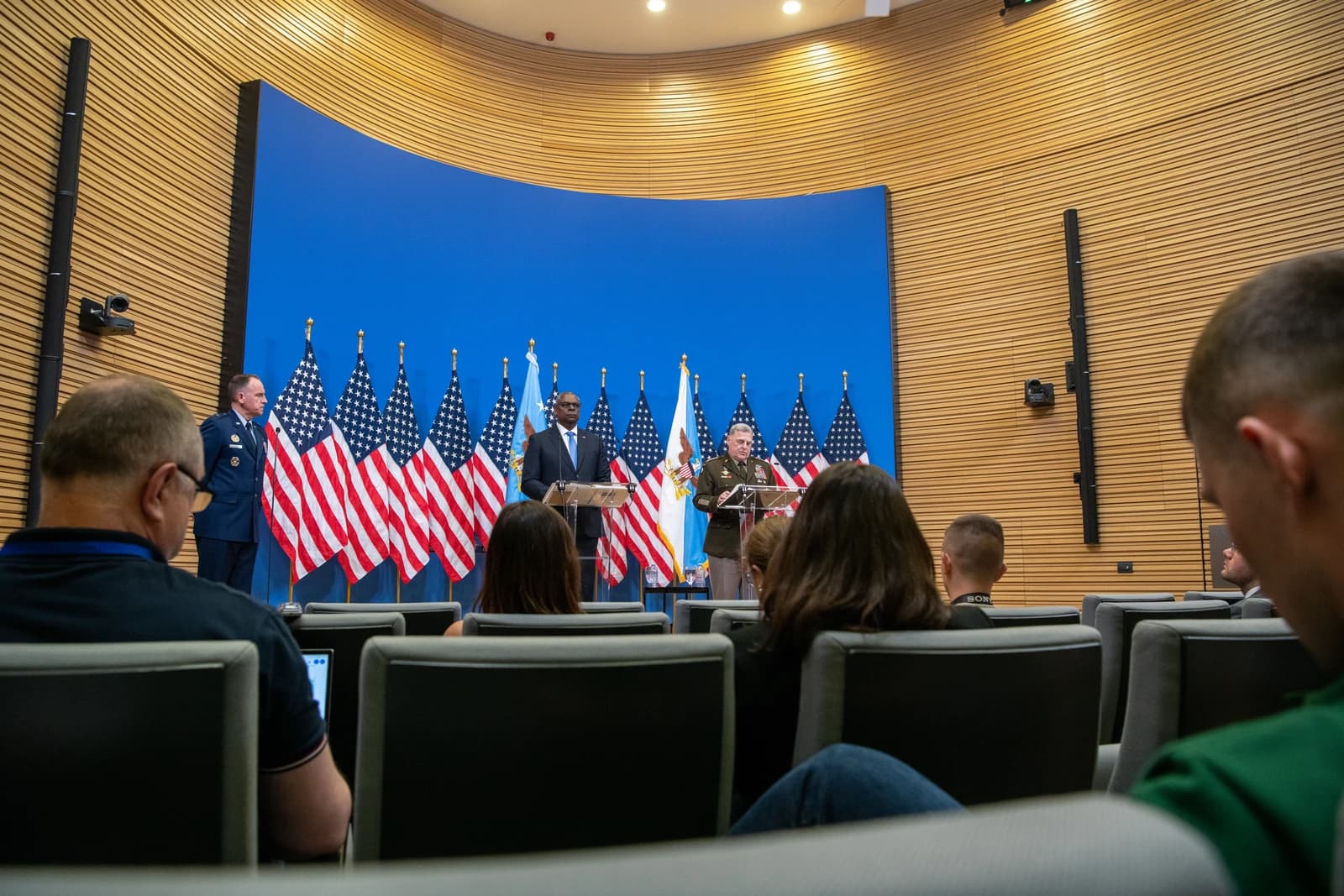
The Pentagon has been promoting AI as a way to help forces make decisions faster on the battlefield. This incident is likely to intensify scrutiny of that strategy, with procurement officers and lawmakers now facing a more pointed question: whether the speed gains from AI are worth the risk of a false alarm that could spiral into conflict.
| Entity | Gains | Losses |
|---|---|---|
| Human analysts and commanders | ▲More scrutiny over review steps | ▼Less faith in automated intelligence |
| AI defense vendors | ▲Demand for safer systems | ▼Reputational and liability risk |
| Pentagon | ▲Case for stricter oversight | ▼Credibility of AI adoption push |
| China-Middle East shipping flows | ▲None | ▼Higher geopolitical suspicion |