Computer science graduates are running into a tougher job market just as artificial intelligence is reshaping the work they were trained to do, and that is forcing students, universities and employers to rethink what an entry-level tech career looks like.
AI reshapes jobs for computer science graduates

For investors, the shift matters because it signals that AI is not just changing product road maps at Microsoft, Alphabet and Nvidia — it is also changing labor demand across the broader economy. The old playbook, in which a computer science degree all but guaranteed a fast track into software development, is no longer reliable. In its place is a more uneven market where companies want workers who can supervise AI tools, validate outputs and help nontech businesses put the technology to work.
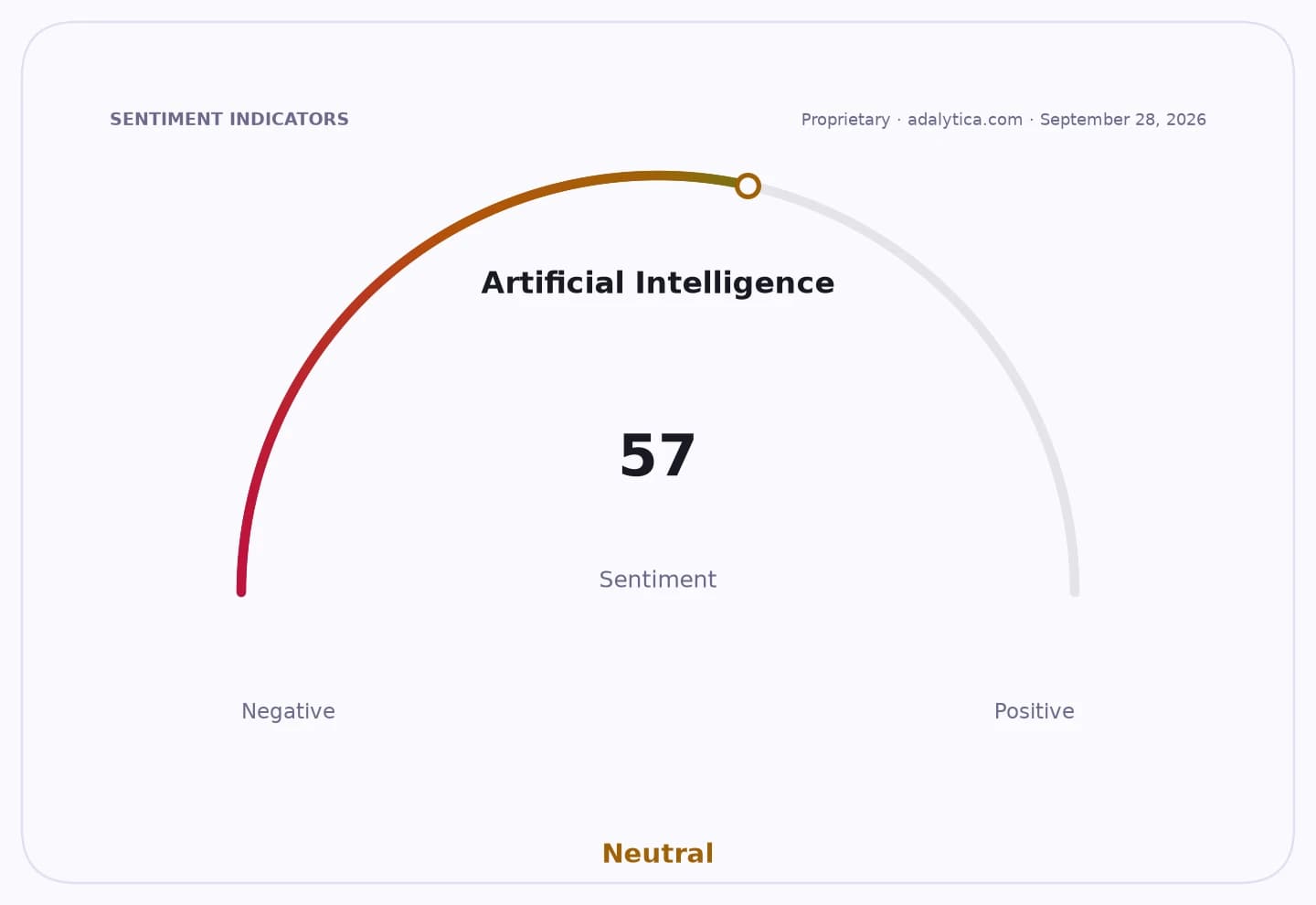
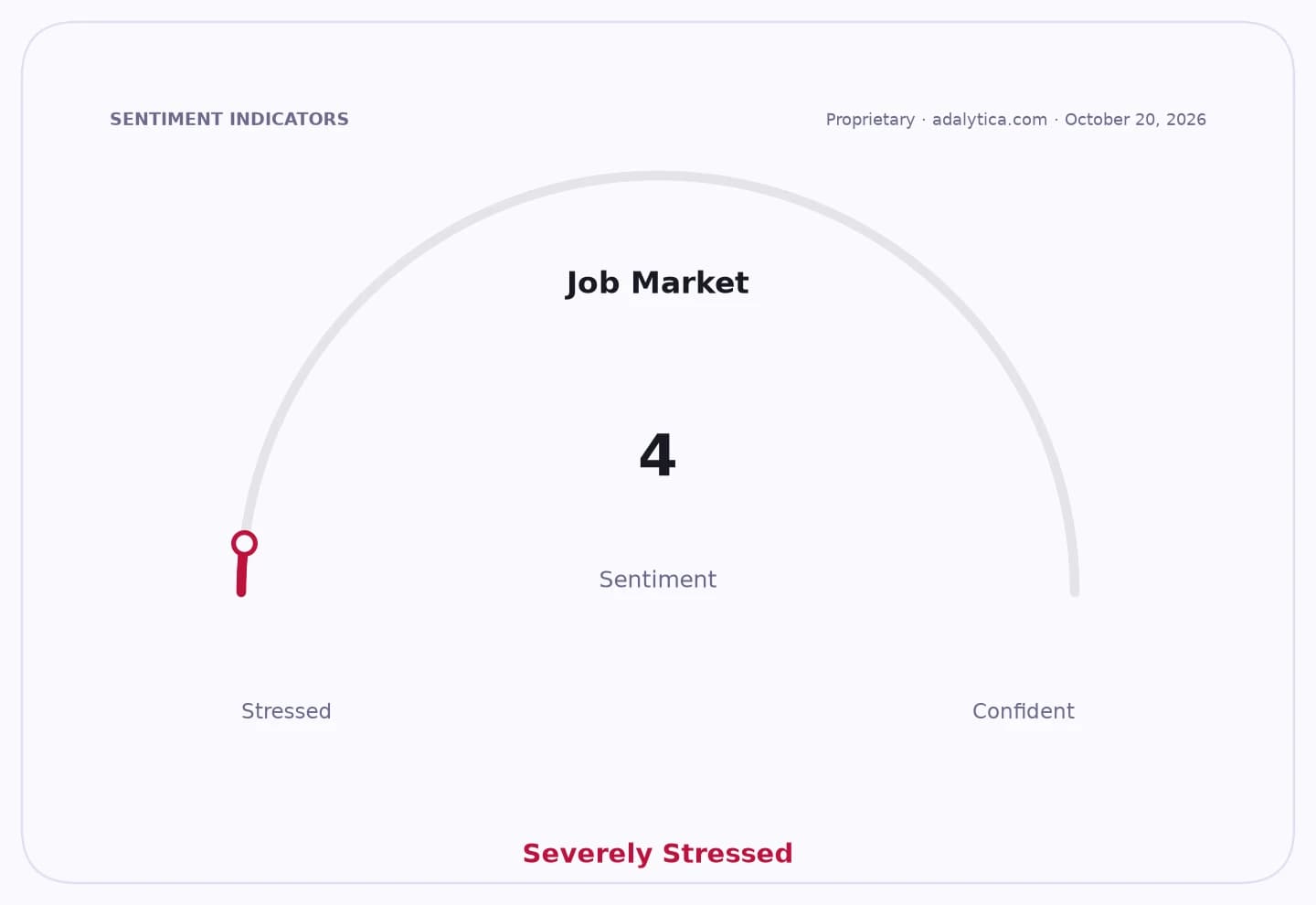
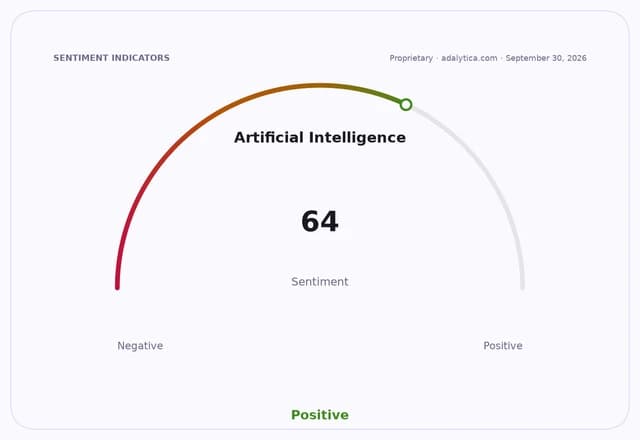
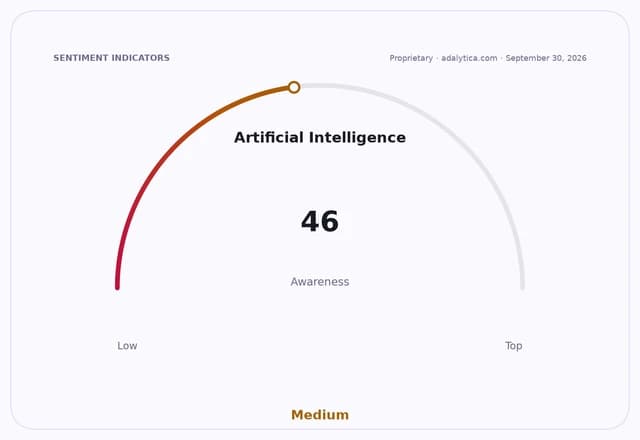
Sentiment IndicatorsⓘProprietary · adalytica.com · September 30, 2026
This is a snapshot — live sentiment, awareness and momentum for 130+ markets update continuously in the dashboard.Open AlphaPulse
The numbers show how quickly the landscape has changed. An Associated Press analysis puts the jobless rate for recent computer science and computer engineering graduates at about 7.1%, well above the rate for graduates in philosophy, art history and ethnic studies. The Federal Reserve has found far fewer software development postings than during the pandemic-era hiring surge, when digitization and remote work fueled a coding boom. A Stanford Digital Economy Lab study says employment for workers in their early 20s in “AI-exposed” occupations is 19% below where it would have been if it had kept pace with less exposed fields.
That is a meaningful economic warning sign. When a sector that has long been a launchpad for high-paying jobs starts producing weaker outcomes for new graduates, it can eventually affect consumer spending, wage growth and the pipeline of midcareer technical talent. The Computer Research Association has already warned that if employers do not keep hiring entry-level workers, they may face a shortage of midlevel engineers in a few years.
The pressure is also altering how colleges teach computer science. Schools are adding AI tools, business-specific internships and more hands-on training because employers increasingly want graduates who can walk into roles with broader responsibilities than traditional junior developer jobs. Georgia Tech is even building a “Bootcamp to Industry” program after working with AT&T on pre-internship training. That kind of retraining is a clue that AI may be compressing the ladder rather than eliminating the profession.
There is another investor angle here: the companies best positioned to benefit from AI may not be the only ones hiring around it. Smaller firms, not just the big tech platforms, are now looking for people who can serve as an “evangelist” for AI inside traditional industries such as engineering and forestry. That widens the market for AI adoption, which is good news for software, cloud and infrastructure vendors. But it also shows that the easiest jobs are not always the highest-value ones.
International students face the sharpest squeeze. Many rely on H-1B sponsorship to stay in the U.S., and smaller employers often lack the HR machinery to handle visa applications. That disadvantage comes just as the Trump administration is pushing to raise the H-1B fee above $100,000, a move that could make it even harder for smaller companies to tap global tech talent.
For long-term investors, the takeaway is not to assume AI is destroying work so much as reallocating it. The winners are likely to be companies and workers that can adapt quickly, while the losers are those tied to routine coding, rigid hiring pipelines or outdated degree expectations. If you own the big AI platforms, this story reinforces the durability of demand for AI infrastructure and tools. If you are thinking about the next decade of labor-market change, it is a reminder that human skills still matter — but they now need to evolve around AI, not ignore it.
| Entity | Gains | Losses |
|---|---|---|
| AI-literate graduates | ▲Better odds in new roles | ▼Old-school coders |
| Smaller businesses adopting AI | ▲Cheaper access to expertise | ▼Traditional junior hiring models |
| Microsoft, Alphabet, Nvidia | ▲Broader AI adoption | ▼Entry-level software demand |
| International students | ▲Niche AI skills advantage | ▼Visa-dependent job seekers |