Microsoft’s warning that tougher H-1B and green-card rules could drive AI engineers out of the U.S. goes to the heart of America’s next growth engine: the race for scarce technical talent.
Microsoft Warns H-1B Rules Could Hurt AI Hiring
That matters because the AI boom is not just a software story, it is a labor story. The companies building models, cloud infrastructure and enterprise AI tools need a deep bench of specialists, and policy that makes long-term U.S. hiring less predictable raises the odds that those workers take their skills to Canada, Europe or Asia instead. In a market where compute, chips and data centers dominate the headlines, the real bottleneck may increasingly be people.
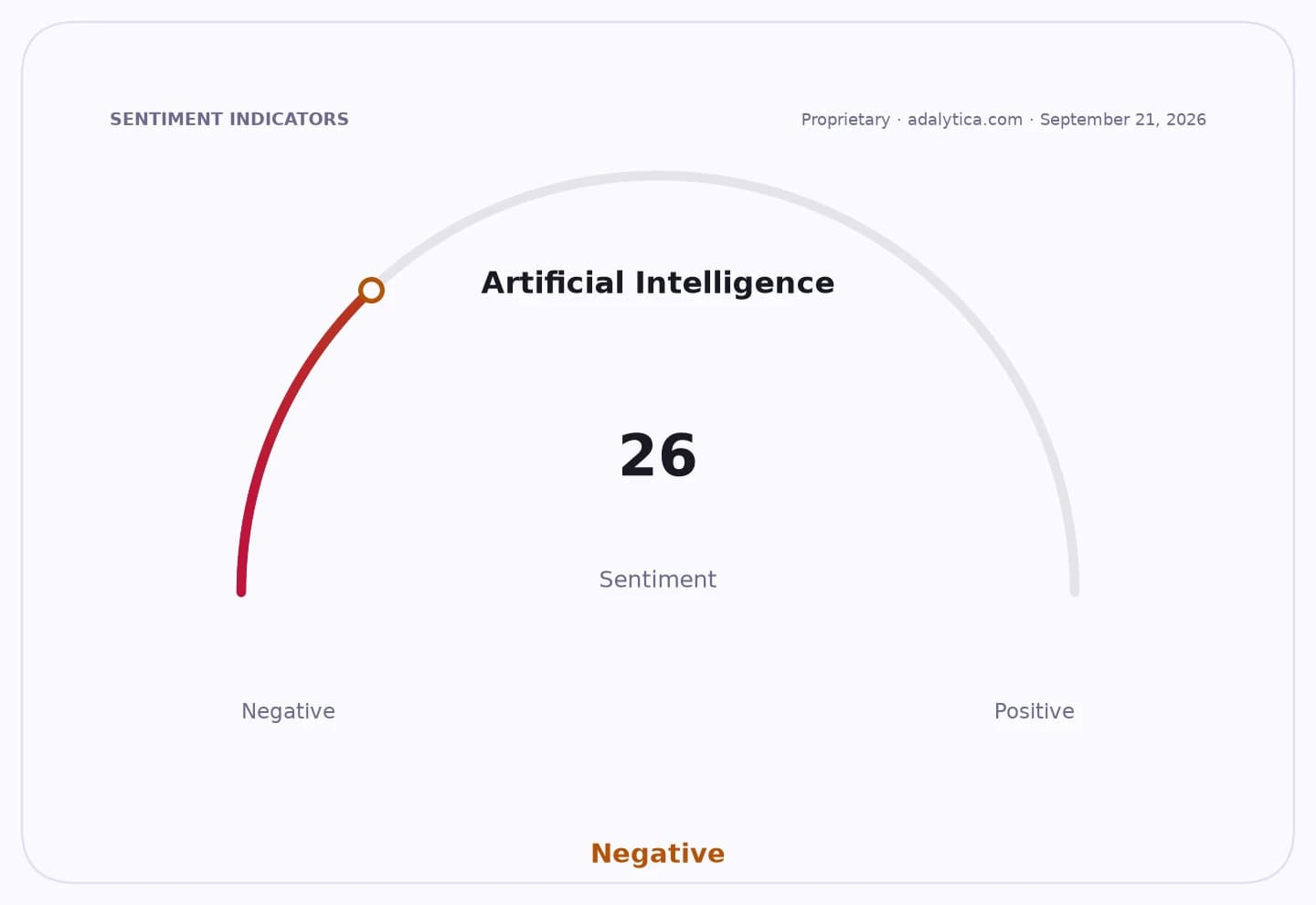
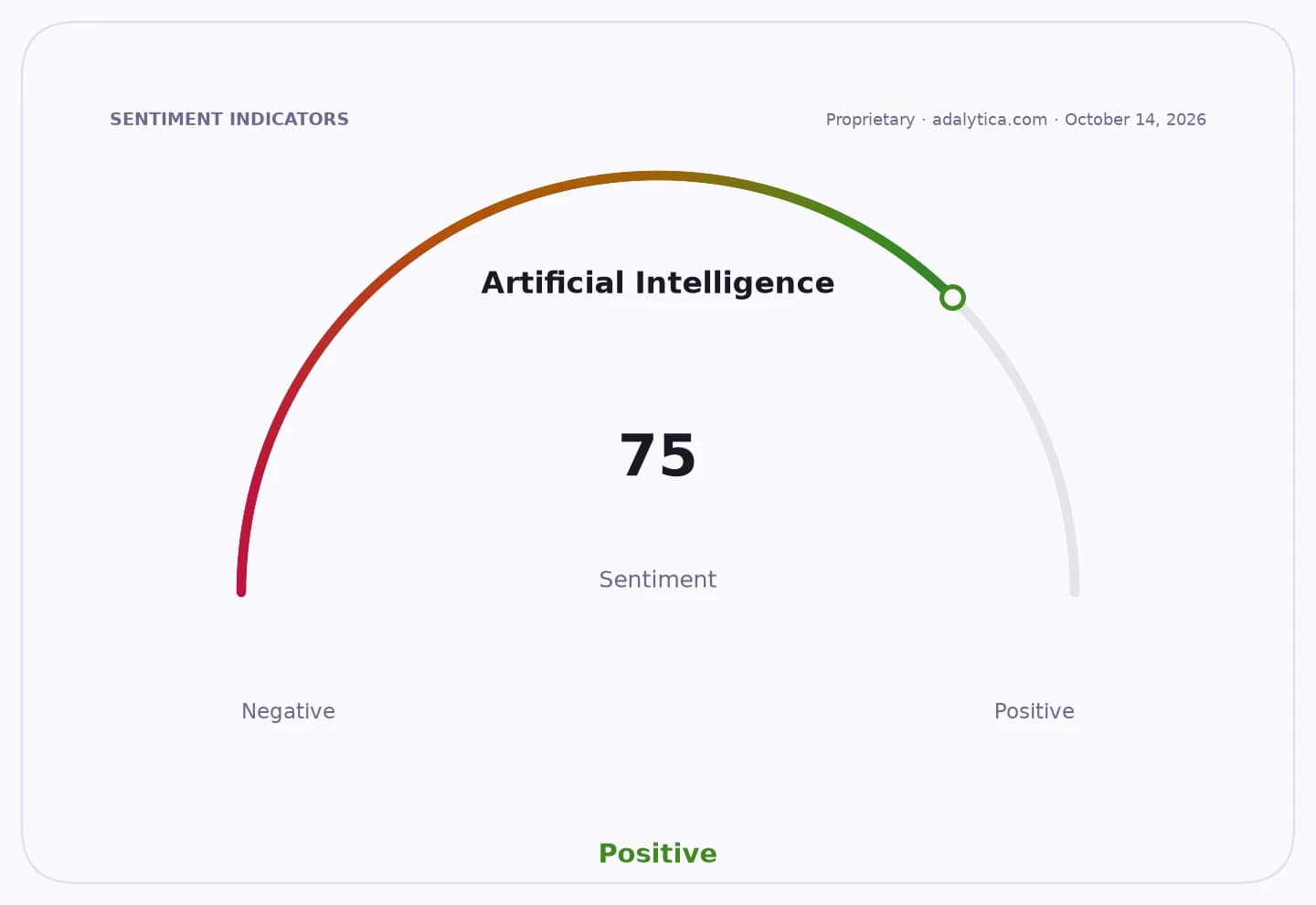
Sentiment IndicatorsⓘProprietary · adalytica.com · October 19, 2026
This is a snapshot — live sentiment, awareness and momentum for 130+ markets update continuously in the dashboard.Open AlphaPulse
Brad Smith’s comments came after the Trump administration moved to bar Microsoft and seven other companies from seeking green cards for foreign employees, a step that intensifies a broader crackdown on skilled immigration. Smith rejected Vice President JD Vance’s claim that Microsoft has abused the H-1B program to underpay foreign staff, saying the company pays workers on the same scale regardless of immigration status and that most of its green-card requests involve employees already in the company for years.
The economic risk is larger than one company’s hiring pipeline. Microsoft argued that five of the six Americans honored by Trump with technology and science medals were immigrants, and said those individuals and their companies accounted for more than 25% of the S&P 500’s total market value. That is the kind of concentration that makes immigration policy a macro issue, not just a political one. If the U.S. makes it harder for top engineers to settle and stay, it risks ceding the compounding gains of startup formation, AI research and high-value job creation to competitors abroad.
For investors, the near-term read-through is mixed but important. U.S. megacap tech can survive a tougher visa backdrop, but it may have to pay more for scarce talent, accelerate overseas hiring and absorb more policy friction at a time when AI capex is already surging. Microsoft’s own filings say the market for highly skilled workers is extremely competitive, and that is before immigration rules become more restrictive. The pressure points extend beyond Microsoft to Nvidia, Google and other AI-heavy names that rely on global recruiting to keep innovation pipelines full.
The market has largely treated immigration as a political side show. It is not. It is a supply-side constraint on the AI trade. If Washington keeps tightening the screws while the rest of the world courts the same engineers, the beneficiaries may be foreign tech hubs, global staffing platforms and countries with friendlier residency rules. The trade for investors is to watch for second-order winners in AI infrastructure and offshore talent ecosystems, while recognizing that the biggest U.S. tech franchises may face a higher structural cost of maintaining their edge.
The next catalyst is whether the administration broadens its restrictions or softens them under pressure from industry. Either way, the message is clear: in the AI era, immigration policy can move capital, talent and valuation as surely as interest rates. Position accordingly.
| Entity | Gains | Losses |
|---|---|---|
| Foreign AI hubs | ▲More talent inflow | ▼U.S. policy backlash risk |
| Microsoft and peers | ▲Can advocate for reforms | ▼Higher hiring friction |
| U.S. AI workers | ▲Less foreign competition | ▼Slower talent inflow overall |
| Global immigration-friendly countries | ▲Skilled-worker magnetism | ▼U.S. dominance in AI recruitment |