AI’s biggest economic effect, if Branko Milanović is right, may not be productivity but ownership: a wave of capital-intensive investment that shifts income toward shareholders and widens inequality unless governments intervene.
AI ownership debate, Nvidia overbought, Microsoft near highs

That is the core of Milanović’s latest framing of artificial intelligence as more than a new tool for automating tasks. In his view, AI should be read as a redistribution machine. Like earlier general-purpose technologies, it can raise output and reshape work, but its first-order effect is likely to be to increase the capital share of income as software and compute replace labor in everything from coding and translation to legal support, transport and teaching.
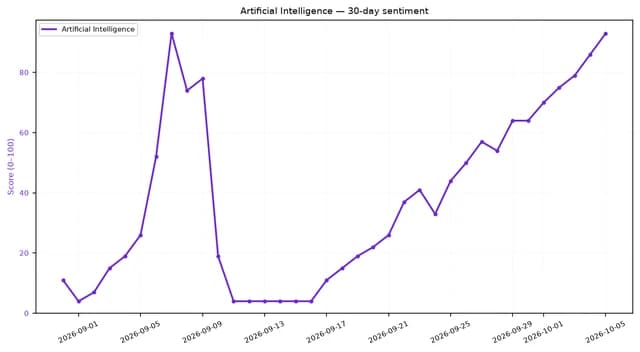
Sentiment IndicatorsⓘProprietary · adalytica.com · October 5, 2026
This is a snapshot — live sentiment, awareness and momentum for 130+ markets update continuously in the dashboard.Open AlphaPulse
The argument matters because the current AI cycle has already become one of the largest capital allocations in modern markets. Spending on chips, data centers and model development has surged, even as economists say broad productivity gains remain hard to detect. That gap between investment and measured payoff is precisely what makes the distribution question so important for policymakers and investors alike: if returns accrue mainly to owners of AI platforms, the technology could deepen wealth concentration without immediately delivering comparable gains to wages or GDP.
Milanović’s three responses to that problem map a political economy debate now moving from theory into policy. The first is a guaranteed minimum income for workers displaced by AI. Economically, that would cushion the labor shock, but it would leave the ownership structure unchanged and could normalize a large pool of permanently detached workers.
The second is broader ownership of AI capital, for example through public or universal stakes in leading AI firms that cannot be traded. That would preserve private control while spreading the gains more widely. For investors, it is the least disruptive option to current corporate governance, but also the one most likely to blunt the upside from concentrated ownership.
The third is nationalization of AI companies, which Milanović describes as a rational option if the risks of autonomous AI are taken seriously. In that scenario, profits would flow to the state and be recycled to citizens. Distributionally, it resembles the universal ownership model, but the key difference is control: the state, not private founders or boards, would set the direction of the industry. That makes it the most radical proposal, but also the one most aligned with rising concerns in Europe and elsewhere that AI’s social costs may be too large to leave entirely to market incentives.
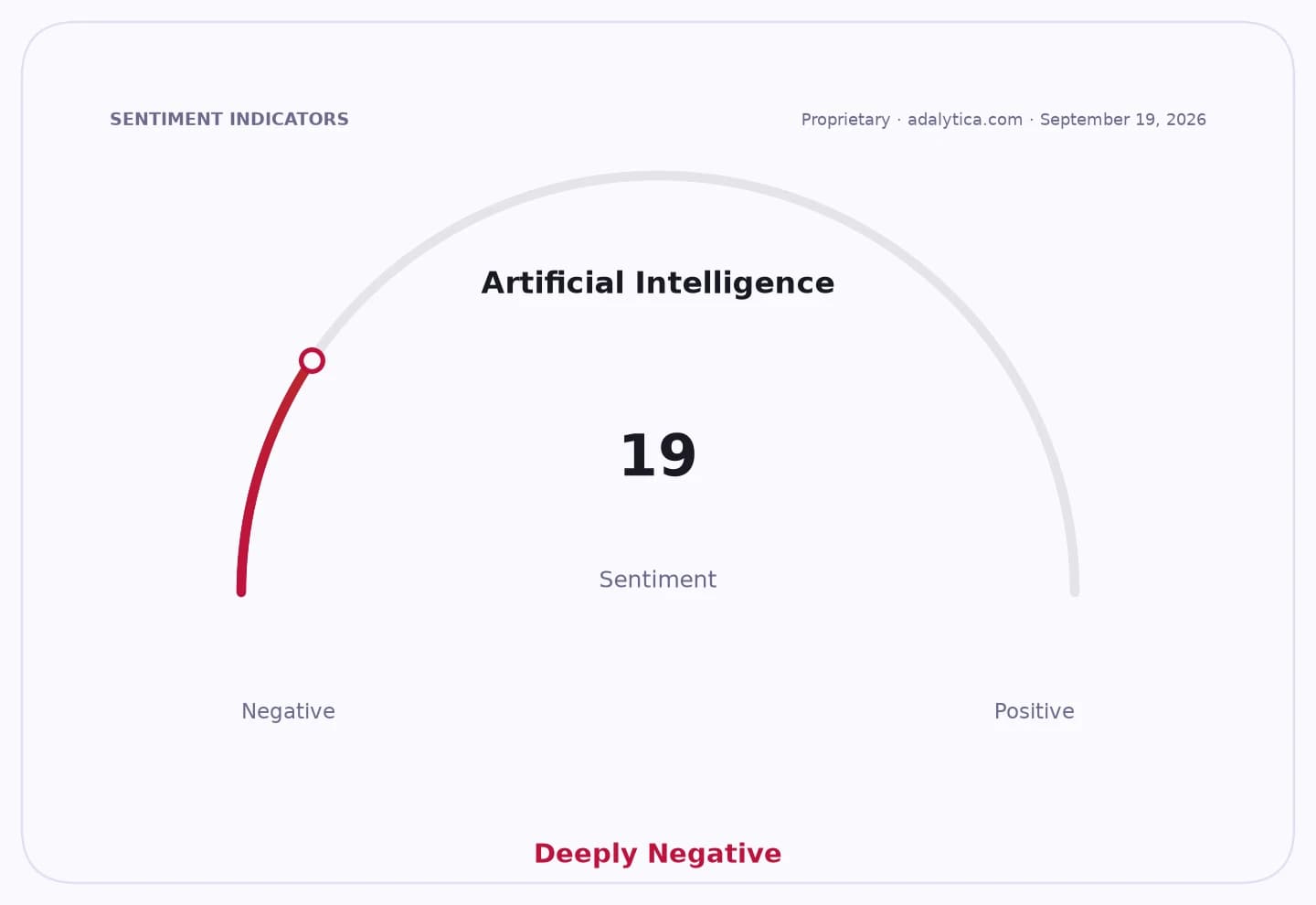
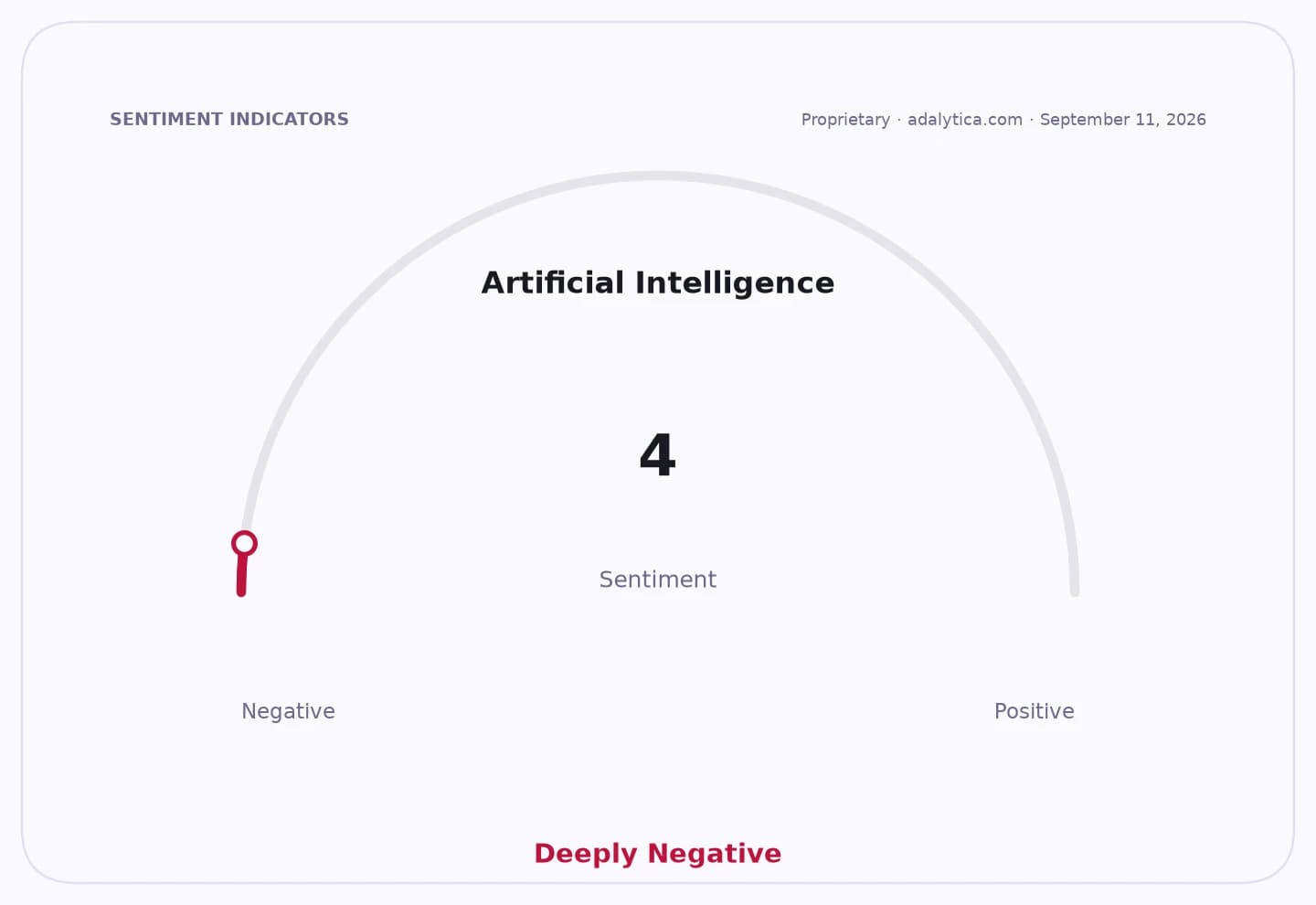
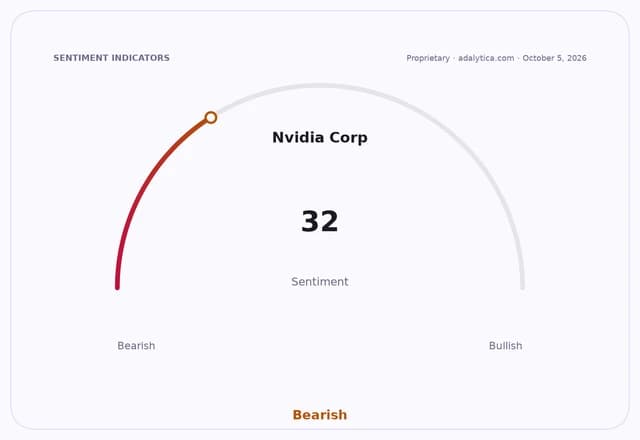
The debate lands as AI stocks continue to command premium valuations even after sharp swings in sentiment. Nvidia shares closed at $237.10 on Oct. 5, near the top of their Bollinger Band, with a 14-day RSI of 83.9, a reading that points to an overheated short-term technical picture. Microsoft ended at $527.23, also close to recent highs. By contrast, sentiment around AI names remains volatile: Adalytica’s snapshot for the AI ticker showed “Extreme Greed” at 93, while NVIDIA earnings sentiment was neutral at 32. That split underlines the tension in the market — enthusiasm for the theme remains strong even as investors wrestle with how much of the eventual value will be captured by workers, consumers or shareholders.
For now, the bull case is straightforward: AI could still boost margins, reduce costs and justify enormous infrastructure spending. The bear case is Milanović’s: if the gains are captured by a narrow class of owners while labor bears the adjustment costs, the technology’s political legitimacy could erode long before its productivity benefits are fully visible. The policy question is no longer whether AI will redistribute income. It is who gets paid, who controls the infrastructure and how much of the upside society is willing to let remain private.
| Entity | Gains | Losses |
|---|---|---|
| AI shareholders | ▲Higher capital income | ▼Greater political scrutiny |
| Displaced workers | ▲Income support in option A | ▼Job losses and wage pressure |
| State / taxpayers | ▲Control and fiscal claims in option C | ▼Higher administrative burden |
| General public | ▲Broader ownership if option B | ▼Concentrated wealth without reform |