Trump is expanding a voluntary pledge meant to shield households from higher power bills tied to AI data centers, but the bigger question for investors and consumers is whether the promise will translate into real savings.
AI Power Costs Shift Toward Utilities
That matters because the AI buildout is colliding with an old-fashioned constraint: electricity. Data centers are becoming one of the fastest-growing sources of power demand, and that demand is working its way into utility planning, rate cases and the political debate over who should pay for the grid upgrades needed to support it. If the costs are pushed onto ordinary customers, AI infrastructure could become a public backlash issue. If the burden is shifted to the large buyers driving the load, the economics of the AI race change for hyperscalers, utilities and power producers alike.
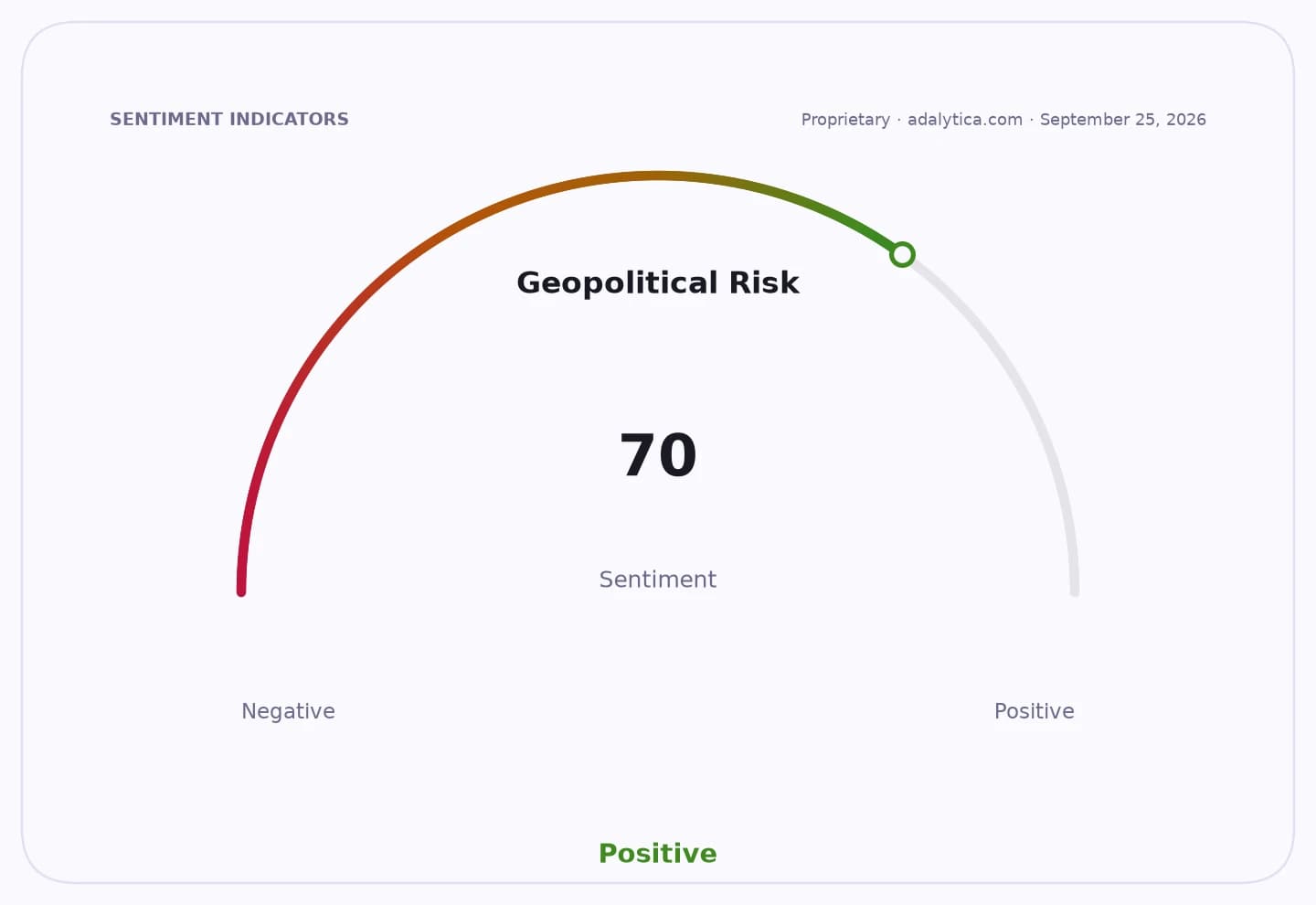
Sentiment IndicatorsⓘProprietary · adalytica.com · July 23, 2026
This is a snapshot — live sentiment, awareness and momentum for 130+ markets update continuously in the dashboard.Open AlphaPulse
The policy move is also a reminder that the AI boom is no longer just a software story. It is a capital-intensive infrastructure cycle that depends on transmission lines, substations, generation and regulatory approvals. For investors, that opens a clear split: utilities and grid operators can see a longer runway for investment, while developers and customers of AI capacity may face rising scrutiny over how quickly they can expand without inflating bills.
The market has already started to reflect that tension. Utility shares have held up as investors look for steady demand and rate-base growth, with Duke Energy and Southern Co. both trading above their 50-day and 200-day moving averages in recent sessions, a sign that capital is still rotating toward defensive power names with a growth angle. NextEra Energy has also recovered from a spring selloff and recently moved back above key trend levels. Those moves suggest investors are treating electrification and data-center demand as durable themes, even if the politics around affordability remain messy.
Still, the central risk is the same one hanging over every AI power story: pledges are not the same as enforceable rules. A voluntary commitment can create helpful optics, but it does not guarantee that utilities, states or consumers will ultimately avoid higher costs. The latest CPI data underscore why that distinction matters. Household inflation has cooled from its peak, yet electricity remains a politically sensitive part of the monthly budget, and any visible increase linked to AI will draw attention fast.
For long-term investors, that means the winners are likely to be the companies that can profit from the buildout without becoming the public face of higher bills. Regulated utilities with constructive rate structures, grid equipment suppliers and diversified power producers all stand to benefit if AI demand keeps rising. The losers would be firms caught on the wrong side of rate cases, or data-center operators forced to absorb more of the infrastructure bill than they expected.
This is still an early chapter in the AI energy trade. Over the next several years, the decisive issue will not be whether AI needs more electricity — it clearly does — but who pays for it, how fast regulators allow the grid to expand and whether the public accepts the tradeoff. For investors, that makes utility policy and data-center economics worth watching closely, especially if you think in years rather than quarters.
| Entity | Gains | Losses |
|---|---|---|
| Utilities with rate-base growth | ▲More grid investment | ▼Political scrutiny |
| Data-center operators | ▲Faster AI expansion | ▼Higher power costs |
| Consumers | ▲Potential bill protection | ▼Uncertain savings |
| Power equipment suppliers | ▲Rising infrastructure demand | ▼Less if projects stall |