Israel’s technology elite are betting that artificial intelligence and quantum computing will redraw the value chain across finance, health care and even the justice system, with the biggest investable implication being a new wave of infrastructure spending and platform winners while older business models get squeezed.
AI and quantum boost infrastructure spending
That is the real market story behind the bold predictions aired at EY’s Journey conference: not simply that Bitcoin could disappear in five to 10 years, or that AI might handle divorce cases and traffic violations, but that these technologies are moving from theory to budgeting, regulation and capital allocation. When that happens, the gains accrue first to the companies selling compute, power, software and data infrastructure, not to the end users promising disruption.
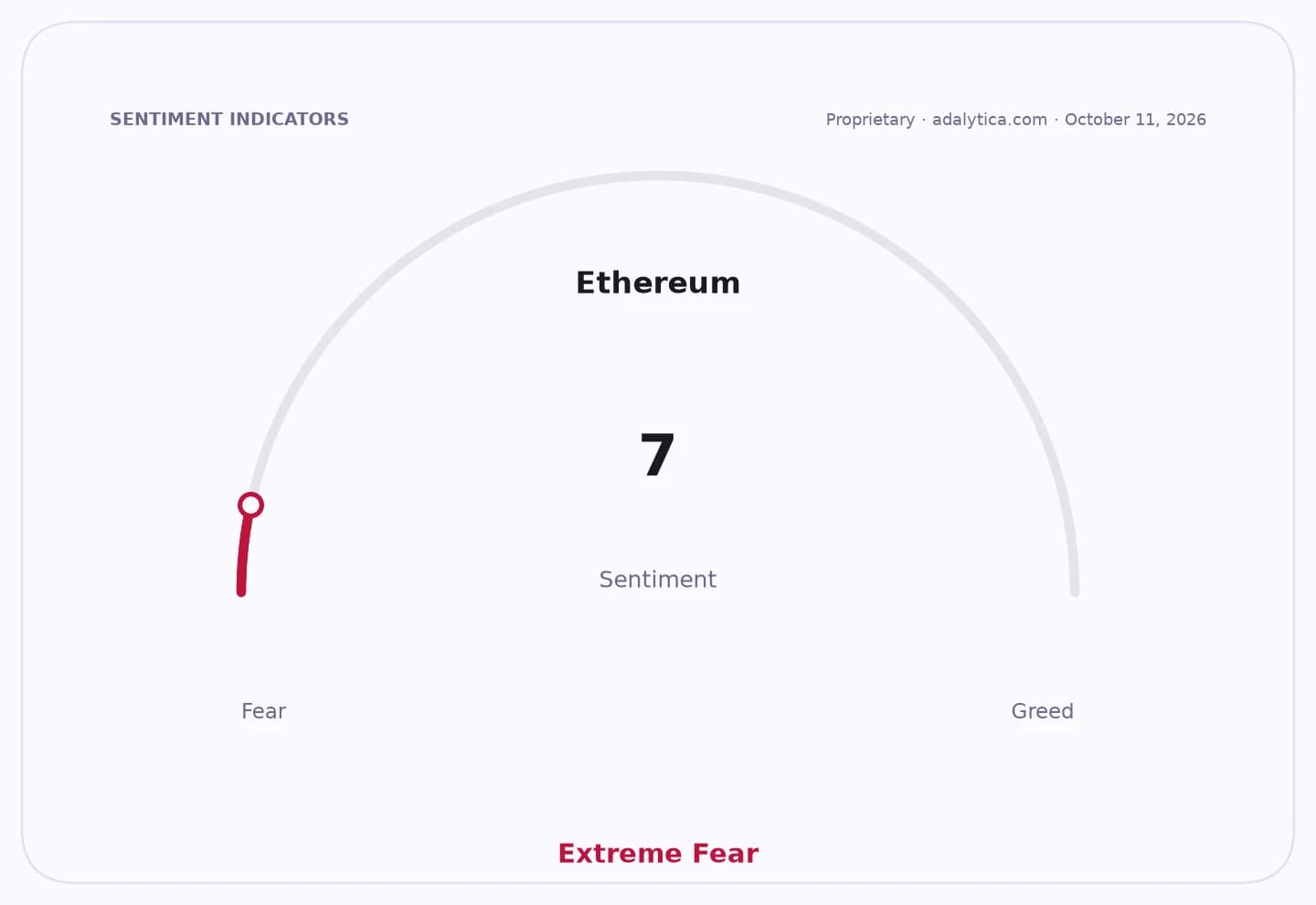
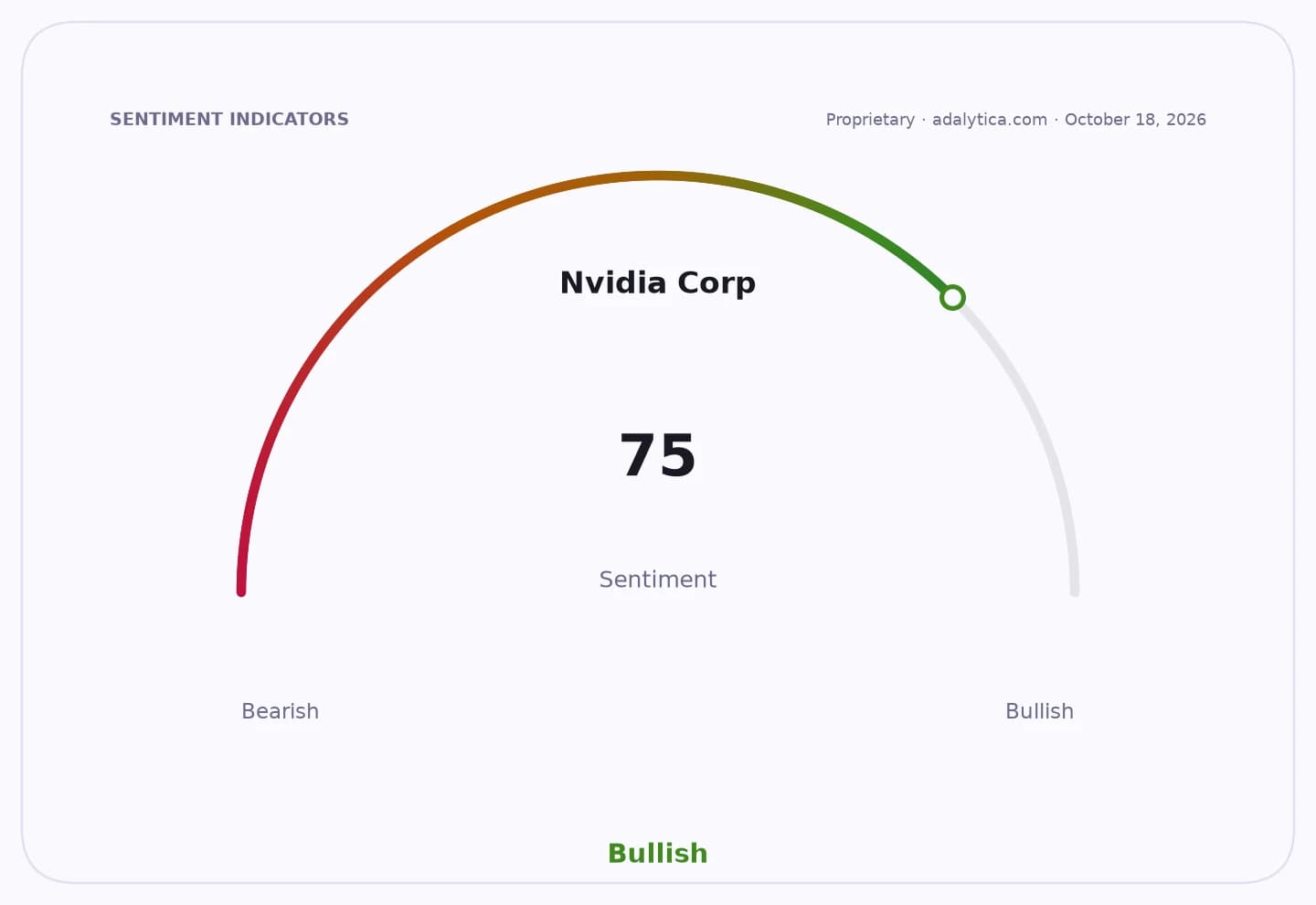
Sentiment IndicatorsⓘProprietary · adalytica.com · October 19, 2026
This is a snapshot — live sentiment, awareness and momentum for 130+ markets update continuously in the dashboard.Open AlphaPulse
The most provocative call was on Bitcoin. Dorit Dor, co-founder of Qbeat Ventures, said quantum computing could fundamentally alter the digital-asset market and even make Bitcoin disappear within a decade. That is not a consensus view, but it captures a risk the market cannot ignore: the same computational breakthroughs that boost AI can also pressure today’s cryptographic assumptions. For investors, the point is less about whether Bitcoin vanishes and more about whether security, wallet architecture and post-quantum encryption become a major spending cycle for financial institutions, governments and exchanges.
Bitcoin’s own tape shows how fast sentiment can swing. The token was last at $82,656.72, above its 50-day moving average of $81,498.12 and well above its 200-day average of $72,574.23, but the broader tone remains fragile. Adalytica’s Bitcoin Fear & Greed Index sat at 25, in “Fear,” even after a seven-day improvement. In other words, the market is not pricing a clean break-out narrative — it is still pricing uncertainty.
The more immediate economic shift, though, is in productivity and public-sector automation. Yali Rothenberg, a former Israeli finance ministry official, said AI could lift public-sector productivity by around 20% within five years. If that proves even directionally right, it would matter for wage pressure, service delivery and budget discipline in a country where state capacity and digital infrastructure increasingly shape competitiveness. Governments that can automate routine work faster will have an edge in defense, taxation, permitting and healthcare administration.
That is why the AI trade remains far bigger than a handful of consumer apps. Liat Nadai Arad of Ichilov Hospital in Tel Aviv said patients may increasingly manage their own health data and use AI for testing, diagnosis and some treatment tasks over the next decade. Oren Zeev went further, predicting AI could resolve roughly half of divorce cases within five years and handle some traffic disputes. The barrier, he said, is not technical capability but regulation. That matters because regulation decides the pace of adoption, the liability framework and the size of the addressable market for legal-tech and med-tech platforms.
For investors, this is where the asymmetric opportunity sits: not in the highest-profile AI brands alone, but in the “toll roads” built around them. Dror Nahumi of Norwest Venture Partners argued that the current surge in AI infrastructure spending will unlock applications that do not yet exist, and that is the clearest path to the next generation of trillion-dollar companies. Jeremy Suard of Exodigo went as far as forecasting five Israeli companies valued above $100 billion and one at $1 trillion within 10 years. Whether or not that exact number lands, the direction of travel is obvious: capital is migrating toward founders who can tie AI to defensible infrastructure, regulated workflows and enterprise distribution.
The market already reflects that split. The technology-heavy IYW exchange-traded fund has climbed to $251.24, far above its 200-day moving average of $226.89, but its recent pullback from the mid-260s shows investors are still sorting winners from the rest of the software and hardware complex. QUBT, a more speculative quantum name, has fallen sharply to $6.36 from earlier highs, underscoring how much of the quantum theme remains optionality rather than earnings power. That is precisely why the better trade may be in the picks-and-shovels layer — chips, cloud, power, networking, cybersecurity and data-center buildout — rather than in the pure-play story stocks.
Israel’s own position makes this especially relevant. The country already has deep strengths in cybersecurity and defense technology, and the conference speakers suggested the next wave of mega-cap tech formation may come from outside those traditional lanes. That is important because the next trillion-dollar winner may not be a classic software company at all; it may be an infrastructure platform tied to compute, energy or regulated AI deployment.
| Entity | Gains | Losses |
|---|---|---|
| AI infrastructure providers | ▲Higher compute demand | ▼Slower-capex incumbents |
| Cybersecurity firms | ▲Post-quantum spending | ▼Legacy encryption models |
| Bitcoin holders | ▲More adoption if fears fade | ▼Cryptographic vulnerability risk |
| Legal and healthcare automation vendors | ▲Workflow adoption | ▼Human-only service models |