AI-powered voice scams are making the old Wangiri “one-ring” trick far more dangerous, forcing banks, payment processors and regulators to confront a fraud wave that can now mimic a victim’s own voice and impersonate executives with alarming realism.
AI Voice Scams Raise Bank Fraud Costs

That matters economically because the scam has moved from nuisance calls to a higher-value fraud channel that can drain consumer accounts, defeat basic authentication and raise the cost of securing digital payments across the financial system. Authorities say phishing attacks have surged 94% in the past year as criminals combine voice cloning, deepfake video and synthetic identities to widen their reach.
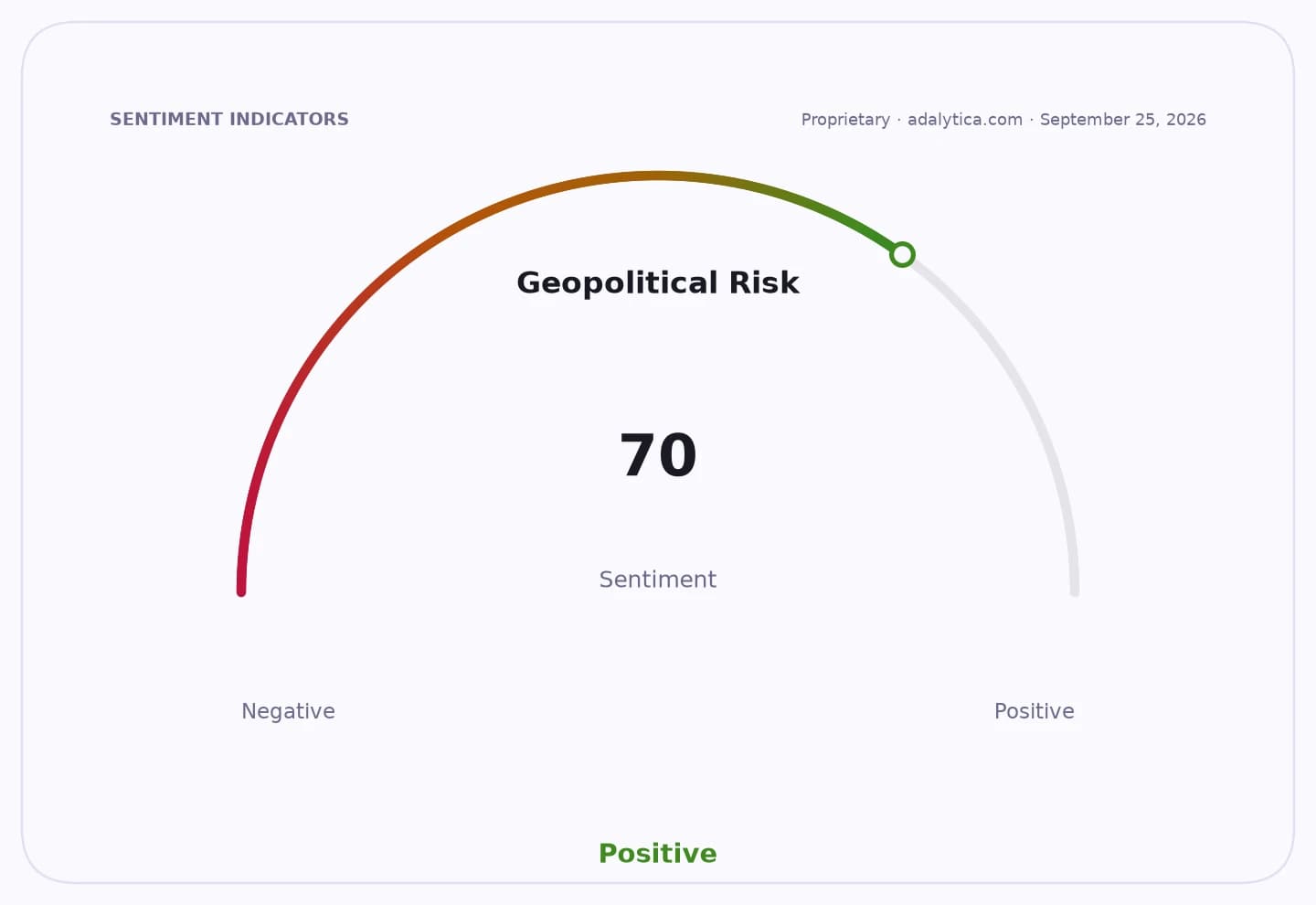
Sentiment IndicatorsⓘProprietary · adalytica.com · July 20, 2026
This is a snapshot — live sentiment, awareness and momentum for 130+ markets update continuously in the dashboard.Open AlphaPulse
For lenders and payment firms, the risk is not just chargebacks and reimbursement losses. It is the incremental spending on fraud detection, identity verification and customer support, plus the reputational damage when a scam succeeds despite standard safeguards. PayPal’s recent filing, for example, warned that third parties continue to try to abuse its platform through stolen or synthetic identities and fraudulent accounts, a reminder that the fraud problem is already embedded in digital finance.
The pressure is spreading to banks, card networks and telecom operators, which are now being pulled into the same fight. In the US, Oklahoma has launched a dedicated cybercrime unit targeting AI scams and crypto fraud, while regulators such as India’s SEBI have issued warnings about AI-enabled “boss scams” that use impersonation to trick employees into sending money.
Investors care because the scam trend can hit earnings in two ways: higher fraud-related operating costs and potentially weaker consumer trust in mobile banking, payments and voice-based authentication. That makes companies with large retail payment franchises, including JPMorgan Chase and Bank of America, more exposed to rising compliance and security spending, even if the near-term share-price impact remains indirect.
The market backdrop is mixed. JPMorgan Chase shares have climbed to about $341.10, Bank of America to $61.27 and Visa to $358.56, all well above their 50-day moving averages, signaling that investors are still willing to own the names despite the growing fraud threat. But the broader equity tape shows risk appetite cooling, with Adalytica’s S&P 500 signal in “Fear,” suggesting investors are becoming more selective about businesses that could face higher regulatory or fraud expense.
The narrative is simple: AI is not just creating productivity gains for the financial sector, it is also giving scammers better tools than the systems built to stop them. That puts banks, payment networks and regulators on a treadmill of constant adaptation, with the next catalyst likely to be new enforcement actions, tighter authentication standards or another high-profile scam that forces the issue.
| Entity | Gains | Losses |
|---|---|---|
| Banks and payment firms with strong fraud controls | ▲Better customer trust | ▼Higher security costs |
| Criminal networks using AI voice cloning | ▲Easier impersonation | ▼Greater law-enforcement scrutiny |
| Regulators and cybercrime units | ▲More enforcement relevance | ▼Pressure to act fast |
| Consumers and small businesses | ▲Better warnings and protections | ▼Higher scam risk and losses |