Air China’s plan to launch direct flights between Iceland and China is a small route with outsized strategic value: it points to a revival in long-haul travel demand, a fresh link in China’s push to rebuild outbound connectivity, and a potential boost for the airlines, airports and tourism operators positioned along the Arctic and North Atlantic corridor.
Air China Route Signals Travel Rebound
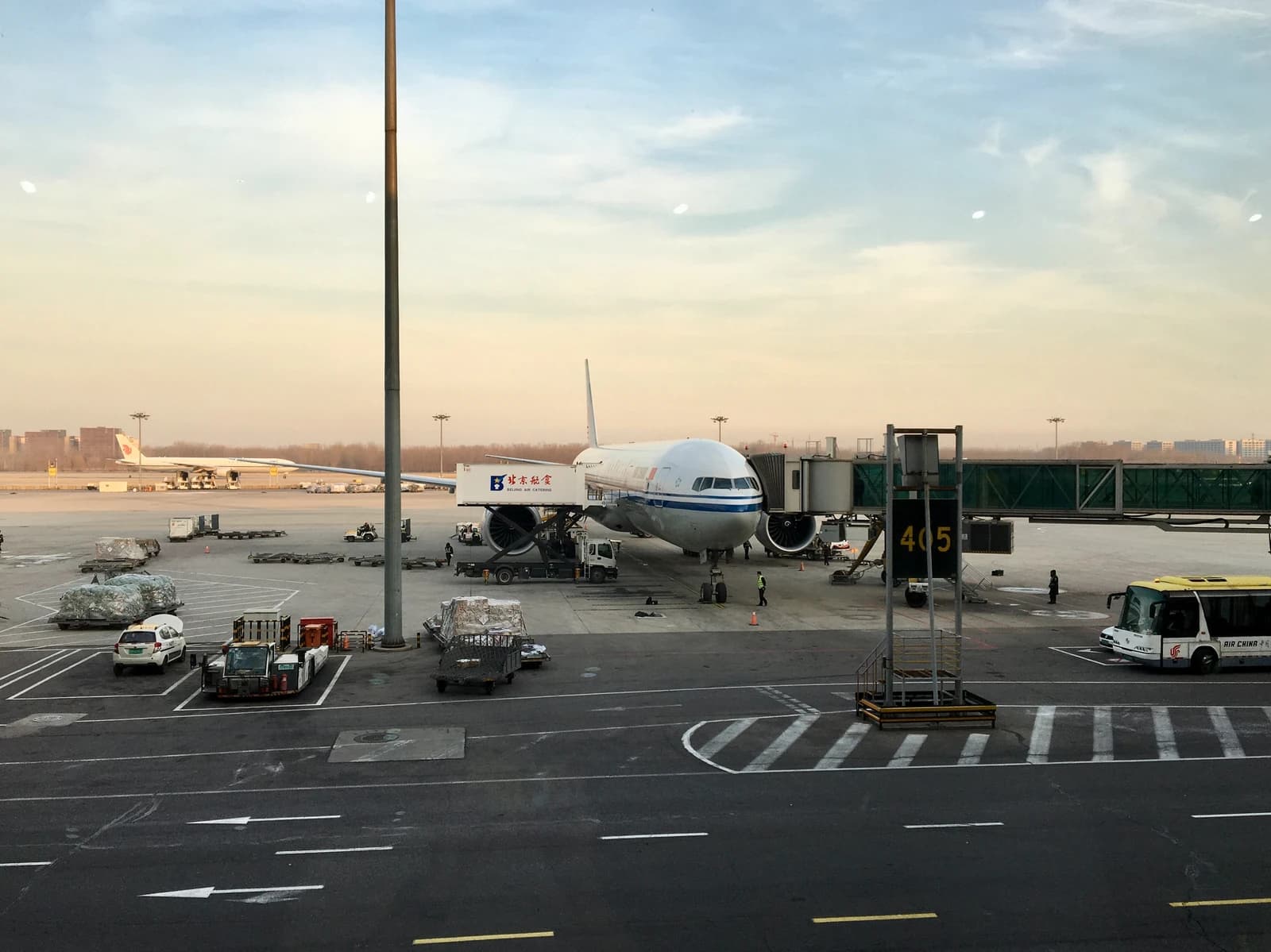
For investors, the significance is less about one new service than about what it says on the other side of the pandemic-era reset. Direct air links remain one of the fastest ways to restore business travel, tourism flows and cargo connectivity, and they tend to benefit the ecosystem around them long before the headlines catch up. If the route sticks, it could support higher load factors, stronger yields and incremental traffic for carriers and airport operators tied to transcontinental travel.
Sentiment IndicatorsⓘProprietary · adalytica.com · July 27, 2026
This is a snapshot — live sentiment, awareness and momentum for 130+ markets update continuously in the dashboard.Open AlphaPulse
The move also underscores how airlines are rebuilding route maps around geopolitical and commercial reopening rather than simply restoring old schedules. Iceland has become a useful connector market because it sits at the intersection of European and North American traffic, while China is still working to normalize international travel capacity and reconnect its outbound market with premium leisure destinations. A direct service gives Air China a cleaner way to capture that demand than relying on multi-stop itineraries through larger hubs.
That matters because aviation is a scale game. New direct routes can create first-mover advantages in underserved markets, especially where travelers are willing to pay for convenience. They can also ripple into hotels, ground transport, duty-free sales and local services, making the economic impact broader than the airline ticket itself. In a world where governments are competing for tourism receipts and route connectivity, even a niche connection can become a catalyst for spending and route follow-on.
The stock-market angle is straightforward: investors should watch for airlines and travel-linked operators with exposure to China’s reopening and to premium international leisure traffic. The market often prices these links as isolated announcements, but the better trade is to treat them as signals of a gradual rebuild in cross-border demand. If more routes like this follow, the beneficiaries are likely to be the companies with the lowest unit costs, the strongest hub positions and the most leverage to higher international seat capacity.
Adalytica’s Global Stability Sentiment still reads in fear territory, which helps explain why investors remain cautious on cross-border aviation and travel. That caution can create opportunity. When geopolitical and travel sentiment is still depressed but route announcements keep coming, the upside often belongs to those willing to position before the capacity recovery becomes obvious in earnings.
The real takeaway is that Air China’s Iceland launch is not just a route announcement — it is another sign that international aviation is moving from recovery to reconfiguration. Investors should be looking for the next wave of beneficiaries in airport infrastructure, travel demand and Asia-Europe connectivity before the market fully discounts the comeback.
| Entity | Gains | Losses |
|---|---|---|
| Air China | ▲Route reach, traffic rebound | ▼Higher launch risk |
| Iceland tourism sector | ▲More Chinese visitors | ▼Capacity constraints |
| Airports and travel suppliers | ▲Incremental fees and spending | ▼Smaller hub competitors |
| Rival carriers | ▲— | ▼Lost connectivity advantage |