Air India is pressing ahead with growth even as worsening geopolitical risk and an industrywide patchwork of flight disruptions keep pressure on airline costs, operations and demand. For investors, the message is clear: Tata Group is still building the carrier for scale, but the path to profitability looks longer and more volatile.
Air India Growth Faces Profitability Delays
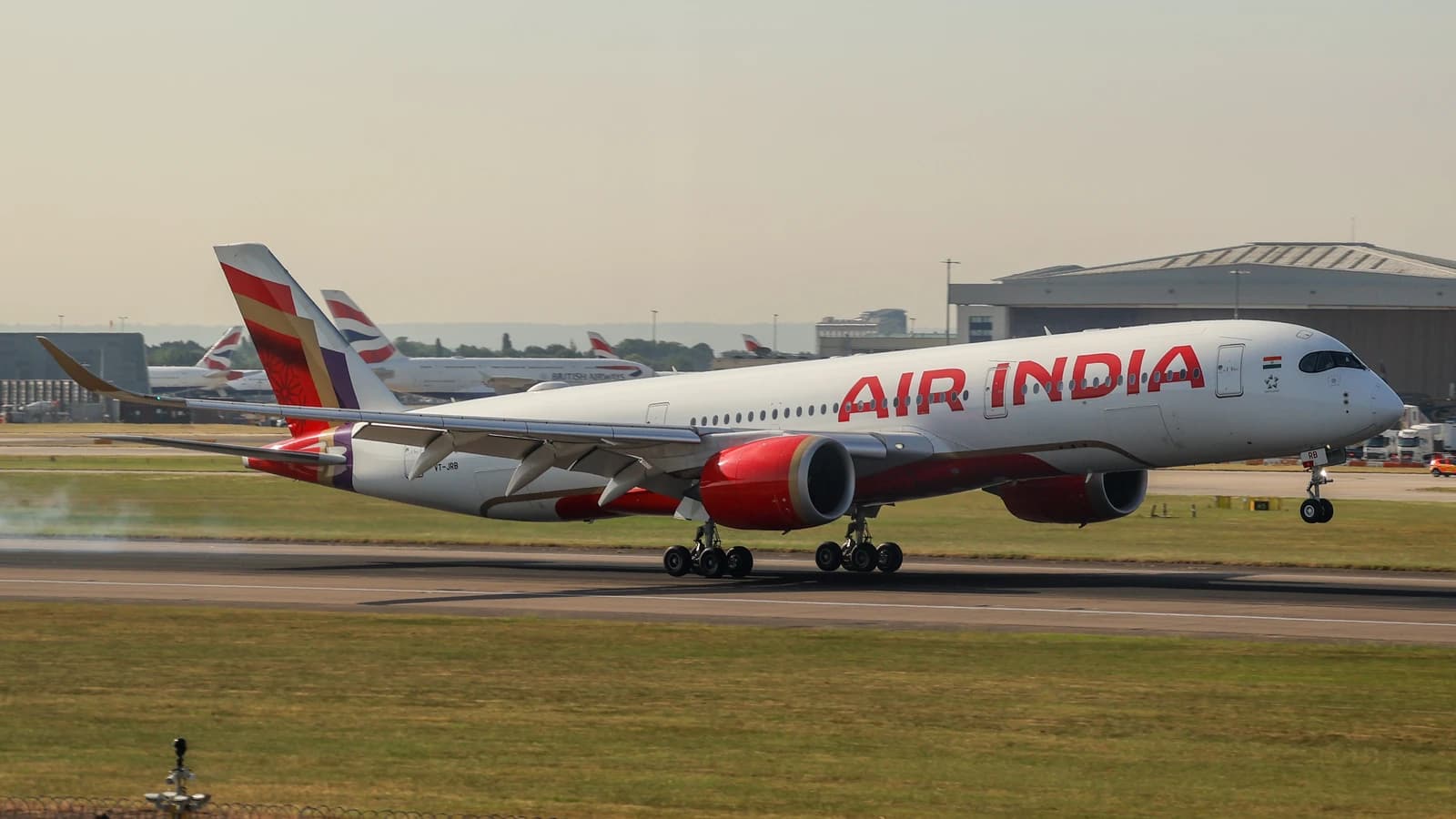
The airline’s expansion push matters economically because aviation is one of the clearest real-time gauges of trade, travel and regional stability. When carriers add capacity, cargo and international reach, they are betting on sustained passenger traffic and higher-yield routes; when tensions flare, those same networks can become more expensive to operate and harder to protect.
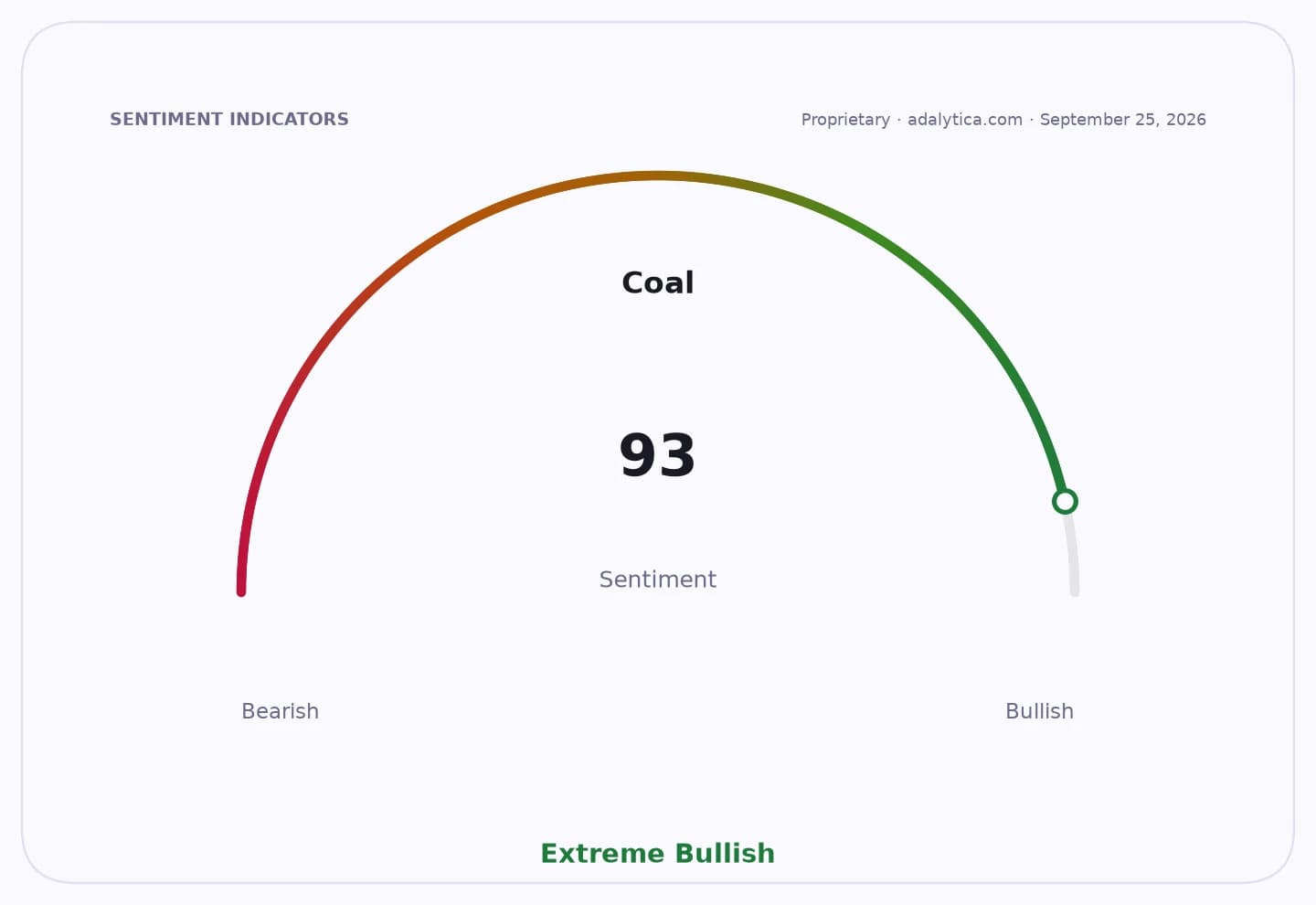
Sentiment IndicatorsⓘProprietary · adalytica.com · July 18, 2026
This is a snapshot — live sentiment, awareness and momentum for 130+ markets update continuously in the dashboard.Open AlphaPulse
That tension is showing up across the sector. Delta Air Lines said cargo revenue jumped 39% in the second quarter as it leaned harder into Asia and the Middle East, underscoring how global airlines are trying to capture demand in markets tied to trade flows and long-haul travel. At the same time, the aviation backdrop remains fragile, with operational issues, suspensions and regulatory actions hitting smaller carriers and reinforcing the cost of missteps in a safety-sensitive industry.
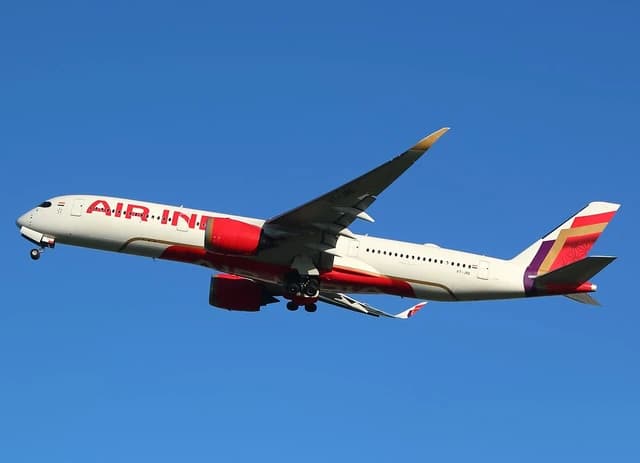
For Air India, the strategic logic is scale before profits. Tata’s carrier is trying to modernize a business that has long lagged global rivals on fleet, network depth and operational efficiency, even as losses remain a drag and geopolitical shocks raise the risk premium on expansion. That combination means capital spending, fleet deployment and route decisions will be watched closely by lenders, suppliers and competitors.
Market implications are more nuanced. A successful turnaround would make Air India a bigger challenger in premium international traffic and cargo, especially on India-linked corridors where demand is growing with the country’s economy. But persistent losses, volatile fuel costs and disruption risk could keep investor sentiment cautious until the carrier proves it can convert expansion into margin improvement.
Adalytica’s Global Stability Sentiment gauge sits at 4.0, or “Extreme Fear,” with the measure down 96 points over 30 days, a backdrop that helps explain why airline growth plans are being judged against a harsher geopolitical screen. The broader S&P 500 trade-signal snapshot remains neutral, but aviation names are trading in a world where route risk, insurance costs and fuel sensitivity can shift quickly.
The next catalyst is execution: investors will be looking for evidence that Air India’s growth translates into fuller planes, stronger yields and lower unit costs, while any fresh geopolitical flare-up or regulatory shock could quickly test that thesis.
| Entity | Gains | Losses |
|---|---|---|
| Air India / Tata Group | ▲Network scale | ▼Near-term profitability |
| Passengers and cargo customers | ▲More capacity and routes | ▼Higher disruption risk |
| Competitors on India international routes | ▲New demand growth | ▼Share pressure |
| Investors in airline turnarounds | ▲Long-term upside | ▼Near-term volatility |