Akamai Technologies is trying to turn AI demand into a durable business, and Jim Cramer says Wall Street may be underestimating how much one $11.6 billion Anthropic contract could change the equation.
Akamai gains Anthropic AI contract attention

The case for the stock is not that Akamai is suddenly a pure AI winner, but that it may be one of the cheaper ways to own the infrastructure behind an emerging wave of agentic computing. As AI agents take on more browsing, shopping and search tasks, traffic is shifting toward distributed networks and inference capacity closer to end users — the kind of architecture Akamai has been building through its Inference Cloud and smaller data centers.
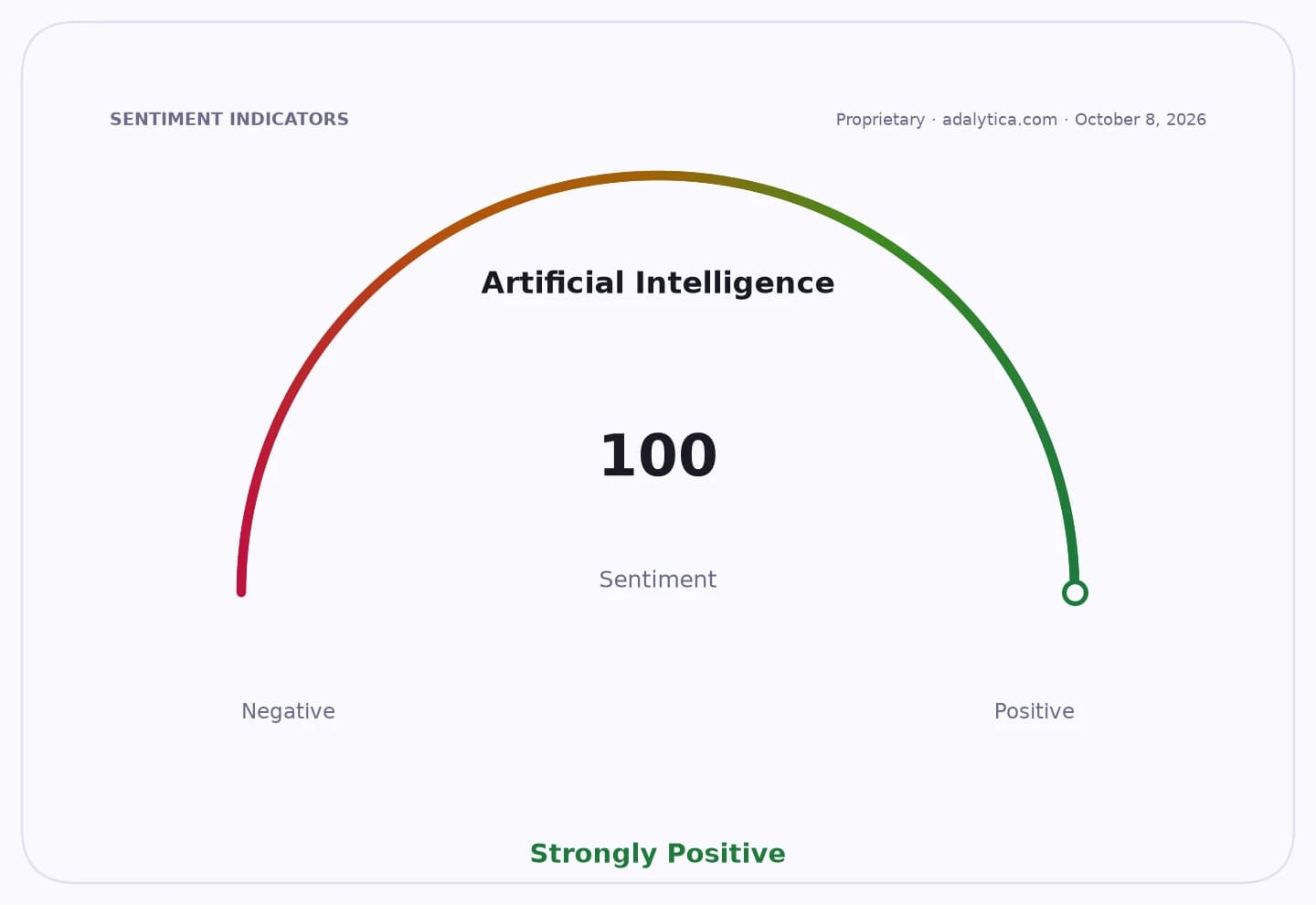
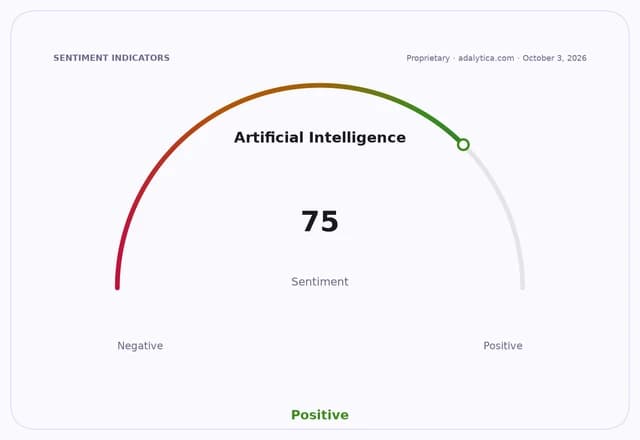
Sentiment IndicatorsⓘProprietary · adalytica.com · October 3, 2026
This is a snapshot — live sentiment, awareness and momentum for 130+ markets update continuously in the dashboard.Open AlphaPulse

That shift matters because it moves Akamai’s AI story from speculation to customer validation. Anthropic’s seven-year commitment implies roughly $1.66 billion a year, or more than a third of Akamai’s expected revenue this year, according to Cramer’s calculation. For a company trading at less than 16 times current-year earnings estimates, the contrast with higher-multiple peers is stark: Cloudflare trades at about 279 times earnings and Fastly at more than 50 times.
The market’s reaction has been telling. Akamai shares jumped on the announcement, then gave back the gains, even as investors continue to reward companies tied to AI infrastructure and services. The stock closed at $108.92 on Oct. 2, still below its 50-day moving average of $111.87 and just under its 200-day average of $111.68, suggesting the recent move has not fully repaired the broader pullback from earlier highs. The RSI reading of 54 points to a neutral setup rather than an overheated one.
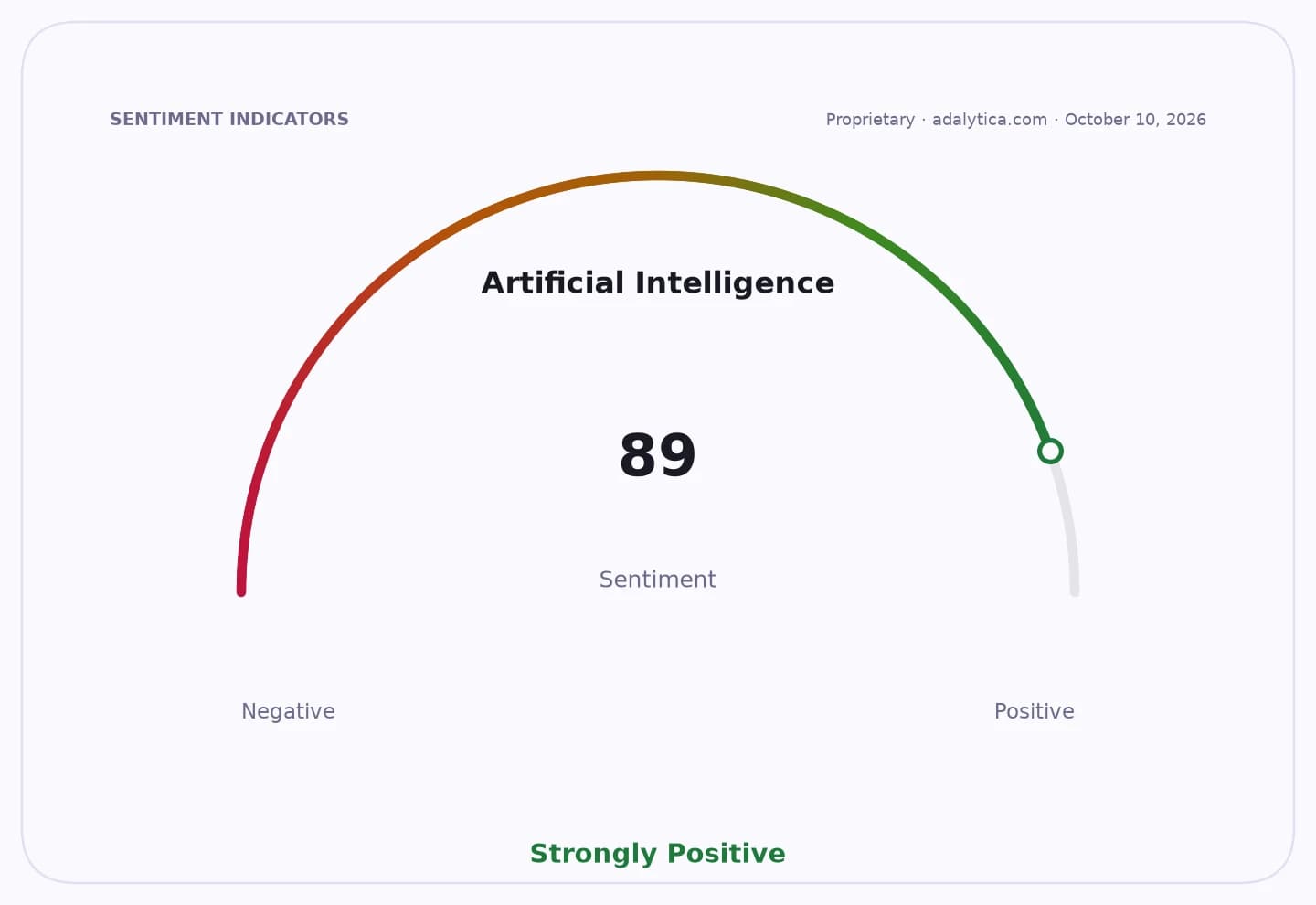
Artificial Intelligence vs AKAMadalytica.com
Explore this data interactively — full history, time series and cross-market comparisons.Open AlphaPulse
For investors, the debate is whether the Anthropic contract is a one-off proof point or the start of a repeatable revenue stream. Bulls will argue the deal validates Akamai’s edge in distributed computing and gives it an anchor customer while the company absorbs upfront spending. Bears will note that management itself has signaled near-term earnings pressure and that the payoff may not meaningfully accelerate until late this year and into 2027.
That makes Akamai’s next phase less about the initial headline and more about execution: whether it can translate one large AI commitment into a broader business across inference, edge services and enterprise workloads. If it does, the valuation gap to faster-growing infrastructure names could narrow. If it does not, the stock may remain trapped between AI enthusiasm and the reality of expensive buildout costs.
| Entity | Gains | Losses |
|---|---|---|
| Akamai Technologies | ▲AI infrastructure validation | ▼Short-term margin pressure |
| Anthropic | ▲More compute capacity | ▼Long-term contract burden |
| Long-only investors | ▲Cheap AI exposure | ▼Missed upside if adoption stalls |
| Cloudflare and Fastly | ▲Sector demand spillover | ▼Relative valuation pressure |