Alphabet is putting one of Google DeepMind’s most important architects at the center of its artificial-intelligence strategy, a move that matters because the company’s next phase of growth will be judged less by search alone and more by how well it turns frontier research into products, cloud revenue and durable margins.
Alphabet names Demis Hassabis scientific director
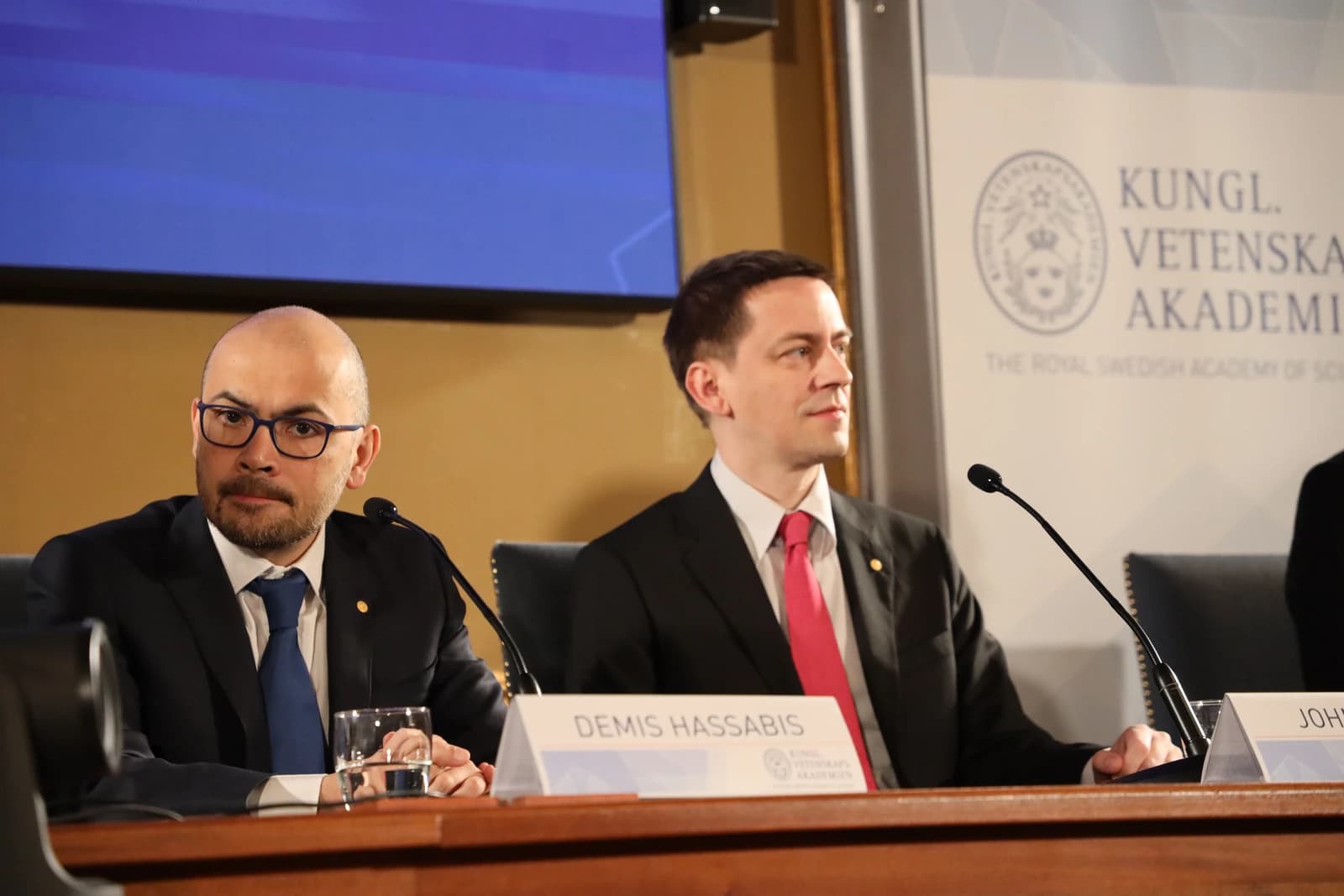
Demis Hassabis, the Nobel Prize-winning co-founder and former head of DeepMind, is stepping into Alphabet’s scientific-director role after the departure of Jeff Dean, giving the parent of Google a high-profile research leader at a moment when AI leadership is becoming a core competitive advantage. For investors, this is not just an internal reshuffle. It is a signal that Alphabet wants tighter control over the research engine feeding its most valuable businesses, from Gemini and Google Cloud to the ad stack that still funds the empire.
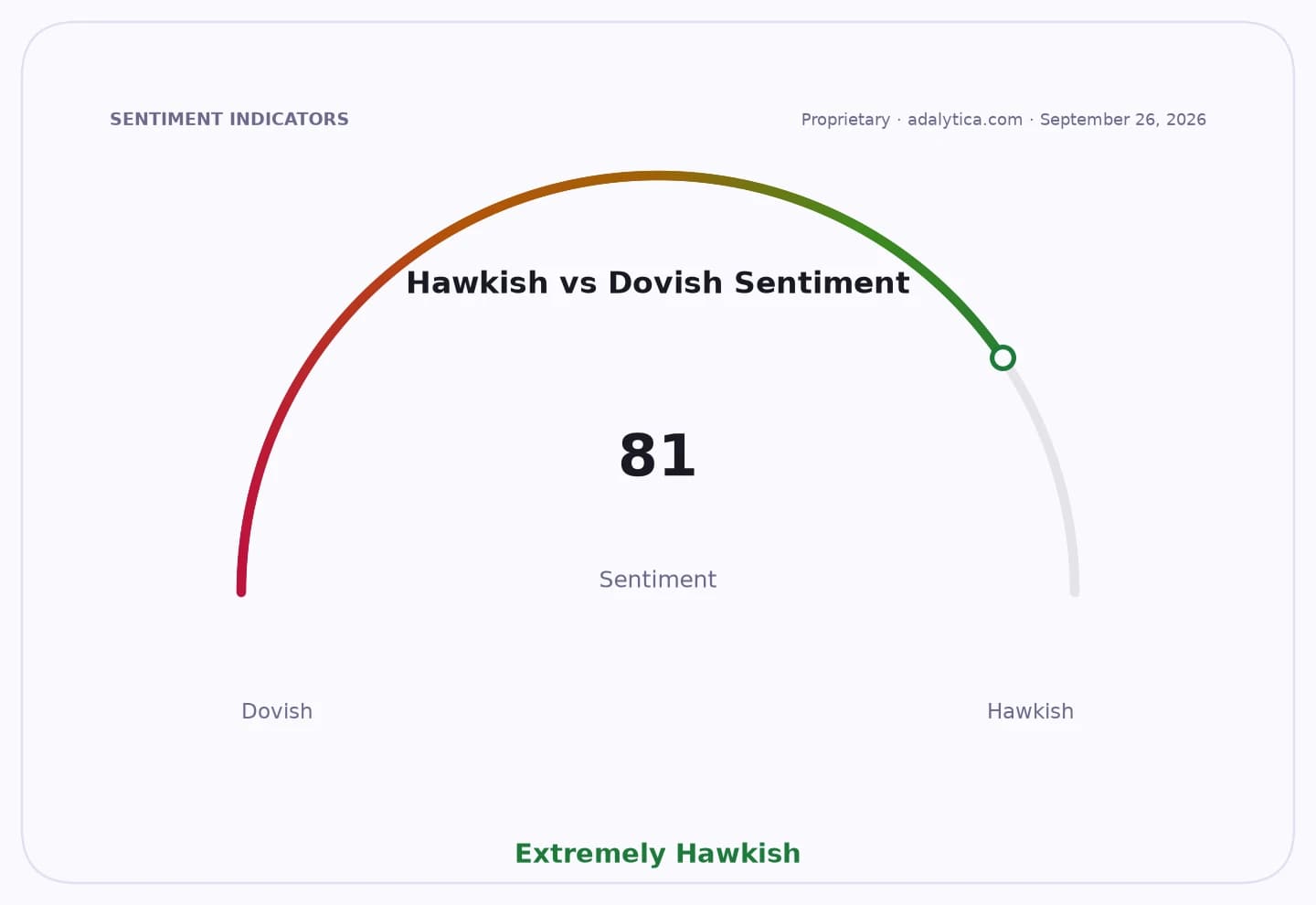
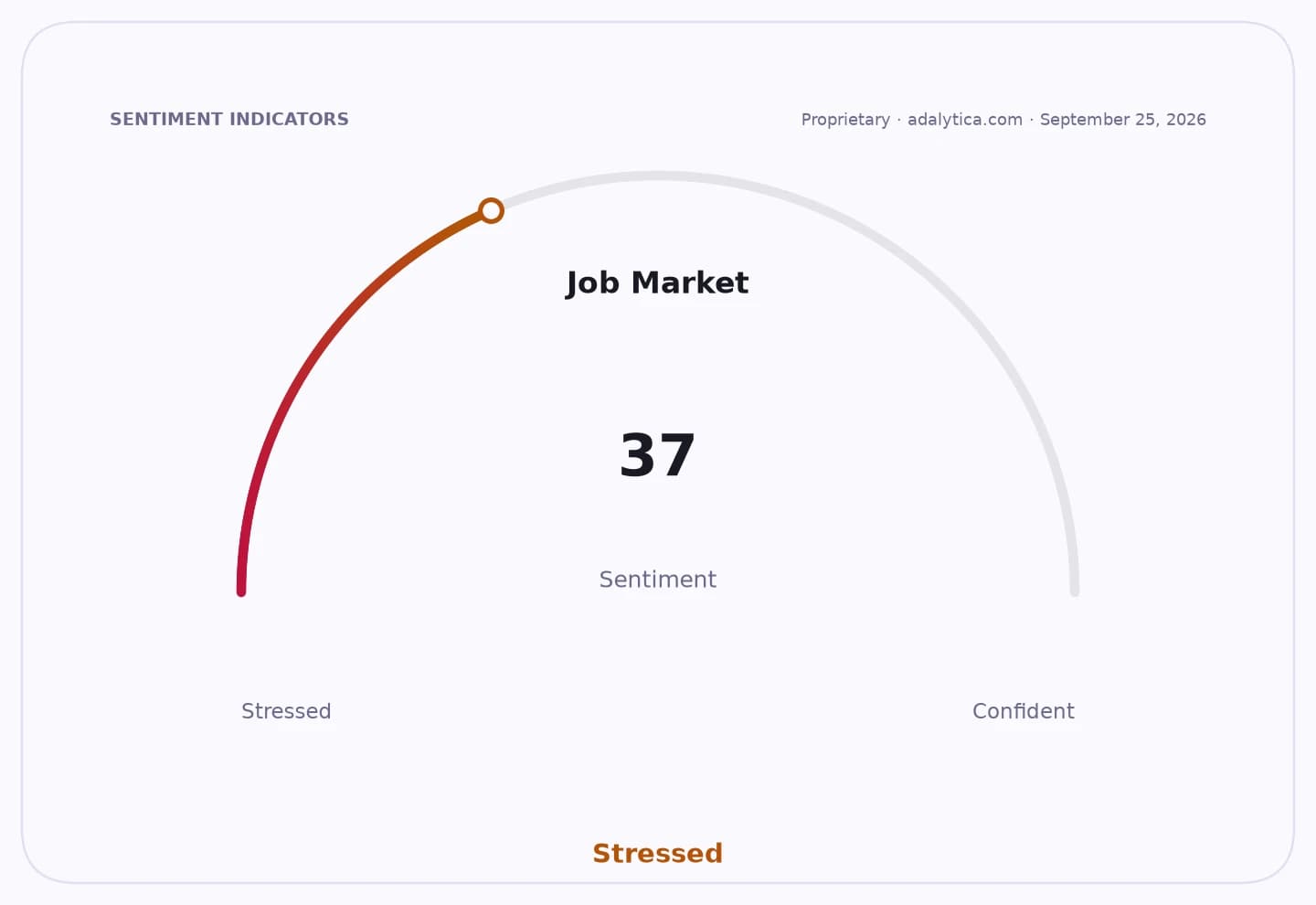
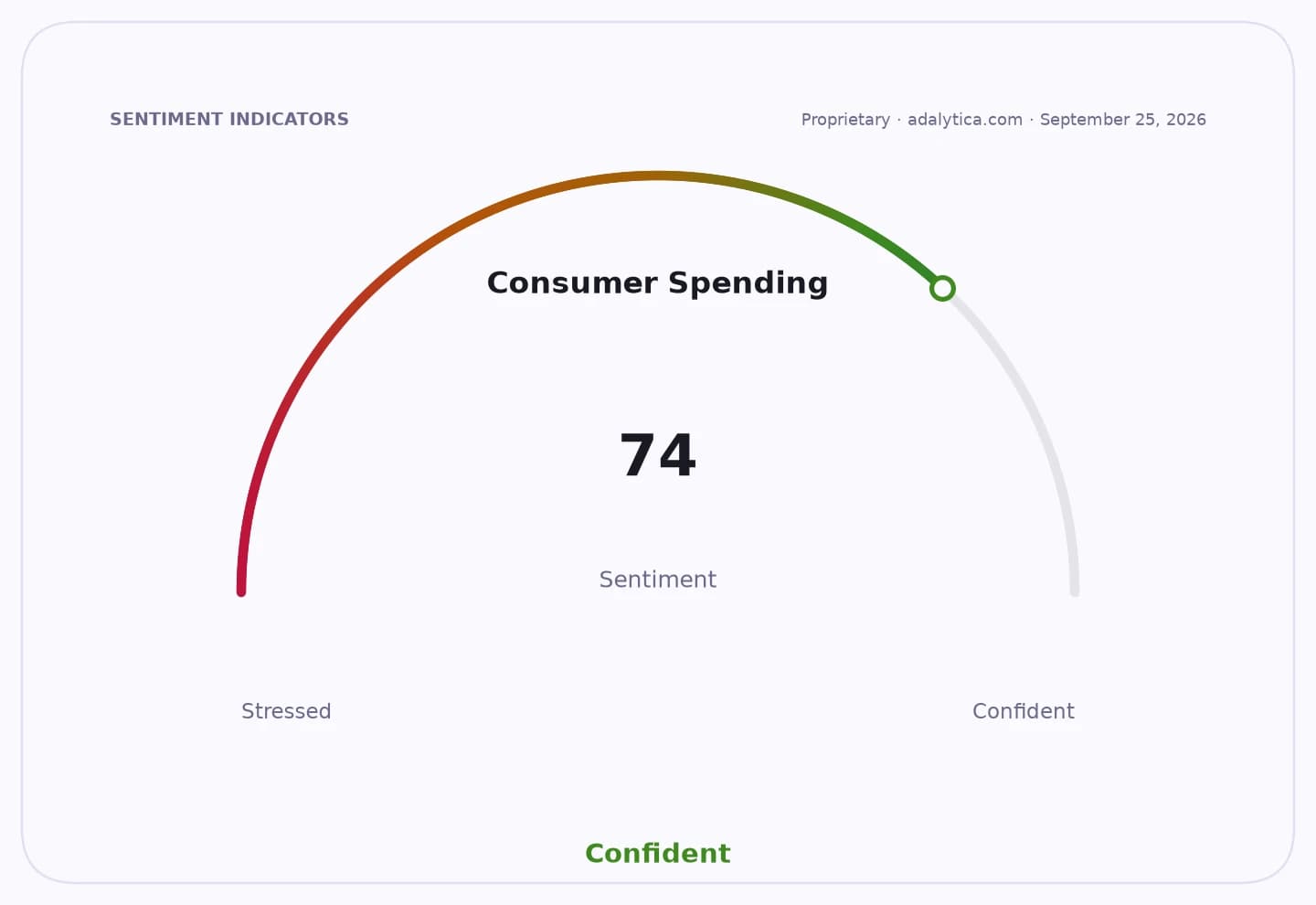
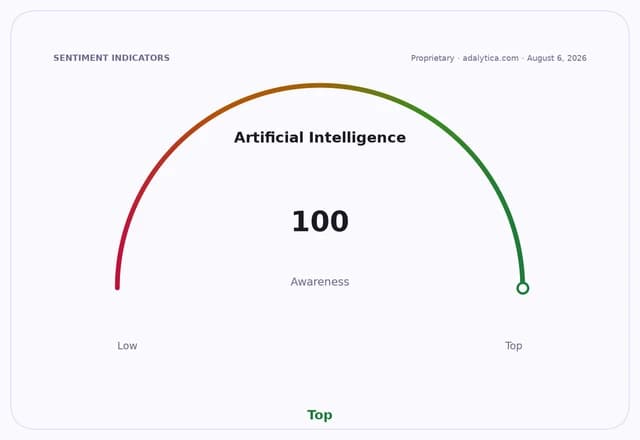
Sentiment IndicatorsⓘProprietary · adalytica.com · August 6, 2026
This is a snapshot — live sentiment, awareness and momentum for 130+ markets update continuously in the dashboard.Open AlphaPulse

That matters economically because AI is no longer a side bet. Alphabet has been centralizing certain AI-related research and development at the parent level, underscoring how expensive and strategic the frontier model race has become. The company is also spending heavily to defend its position, while rivals such as Microsoft and OpenAI have pushed aggressively into enterprise AI and developer tools. In this kind of arms race, the quality of the scientific leadership can influence everything from product cadence to capital efficiency.
The market has already been rewarding AI leaders and punishing laggards in uneven bursts. Alphabet shares recently traded around $359, after a rally that took them as high as $382.74 in May before a pullback. Microsoft, by contrast, has surged toward $495, while Nvidia remains the clearest beneficiary of the AI buildout, with its shares near $218. Those moves show where investors still see pricing power and growth: in companies that can turn AI investment into recurring revenue and better margins.
Alphabet’s challenge is to prove it can do the same. Hassabis brings scientific credibility, but the bigger investor question is whether that credibility translates into faster commercialization. Google has enormous distribution through Search, YouTube and Cloud, yet it also faces pressure to keep spending disciplined as the cost of AI infrastructure rises. The Federal Reserve’s policy rate around 3.63% and the 10-year Treasury near 4.7% are a reminder that capital is not free anymore, which makes profitable execution even more important for long-duration growth stocks.
For long-term investors, the leadership change is best viewed as a strengthening of Alphabet’s AI bench rather than a tactical headline. The company still has one of the deepest moats in technology, but the next several years will depend on whether it can defend that moat with better models, better products and better monetization. Hassabis’ appointment suggests Alphabet is trying to do exactly that.
If you own the stock, this is worth watching over a multi-year horizon. Alphabet remains one of the most important AI and cloud stories in the market, and leadership that improves research-to-revenue conversion could make the difference between a good stock and a great one.
| Entity | Gains | Losses |
|---|---|---|
| Alphabet / Google | ▲Stronger AI research leadership | ▼Less continuity after Dean’s exit |
| Demis Hassabis | ▲Bigger strategic role | ▼Higher execution pressure |
| Microsoft and OpenAI | ▲Competitive benchmark stays high | ▼Alphabet may close the gap |
| Long-term GOOGL holders | ▲Better AI commercialization odds | ▼Near-term spending risk |