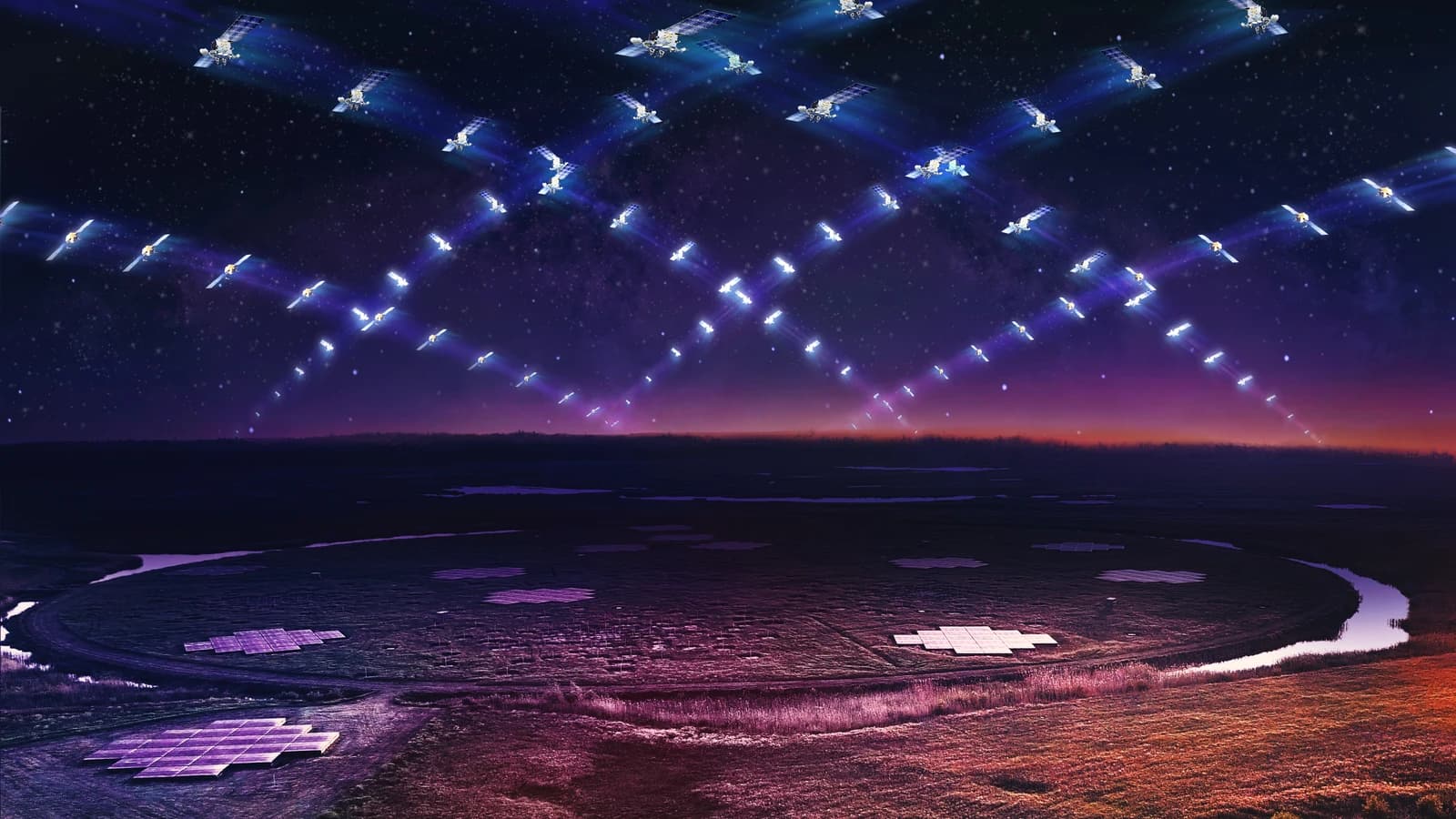
Google is preparing to launch its first Tensor Processing Unit into orbit on Oct. 1, 2026, in the opening test of a project that could move part of the AI buildout off Earth and into space.
Alphabet plans first TPU test in orbit
The experiment, called Project Suncatcher, is designed to assess whether Google’s custom TPUs can operate reliably in low-Earth orbit as the company explores satellite-based AI infrastructure. Google says the setting could deliver about eight times more energy than on the ground, a potentially important advantage as AI workloads drive a global scramble for power, land and cooling capacity for data centers.
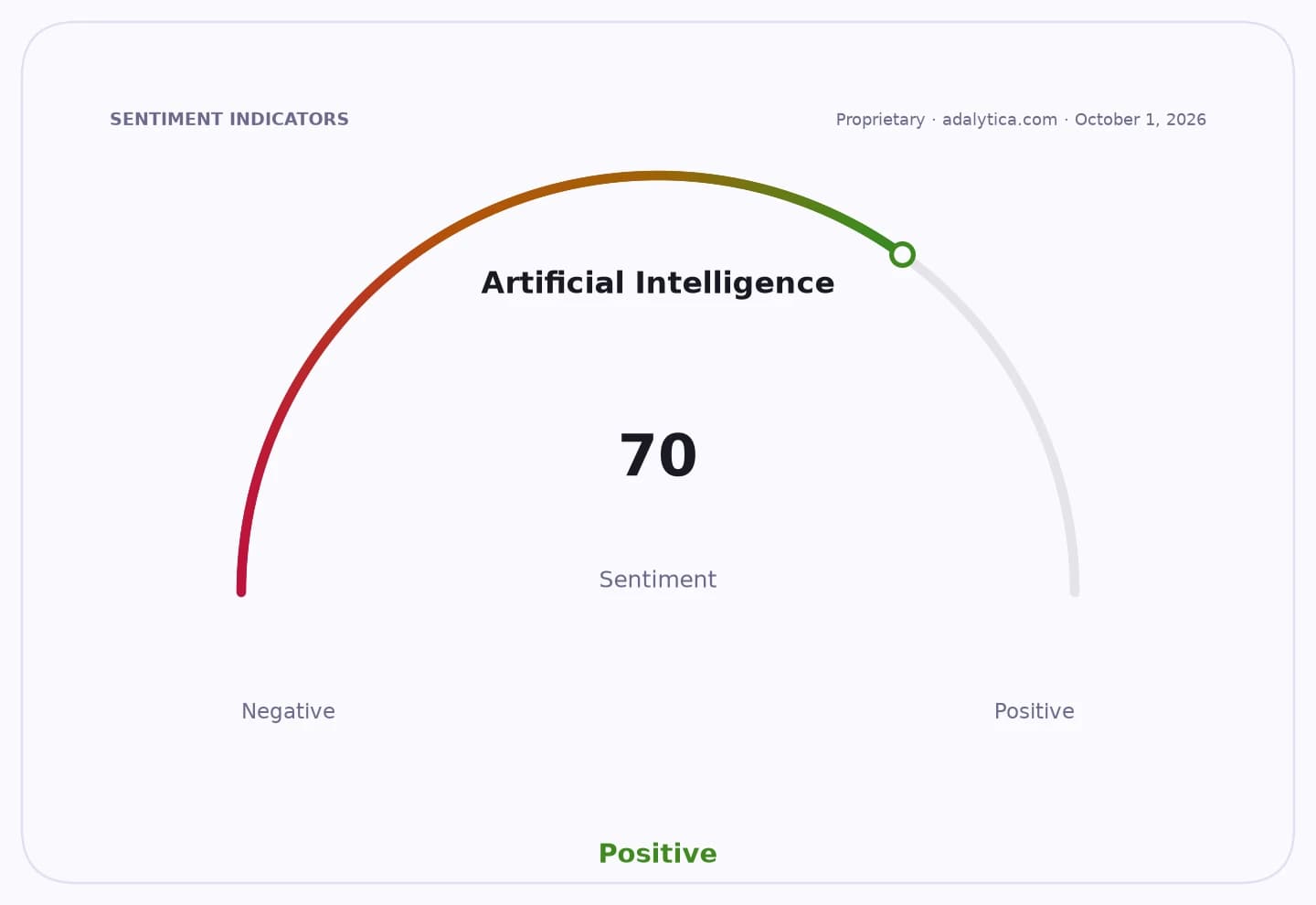
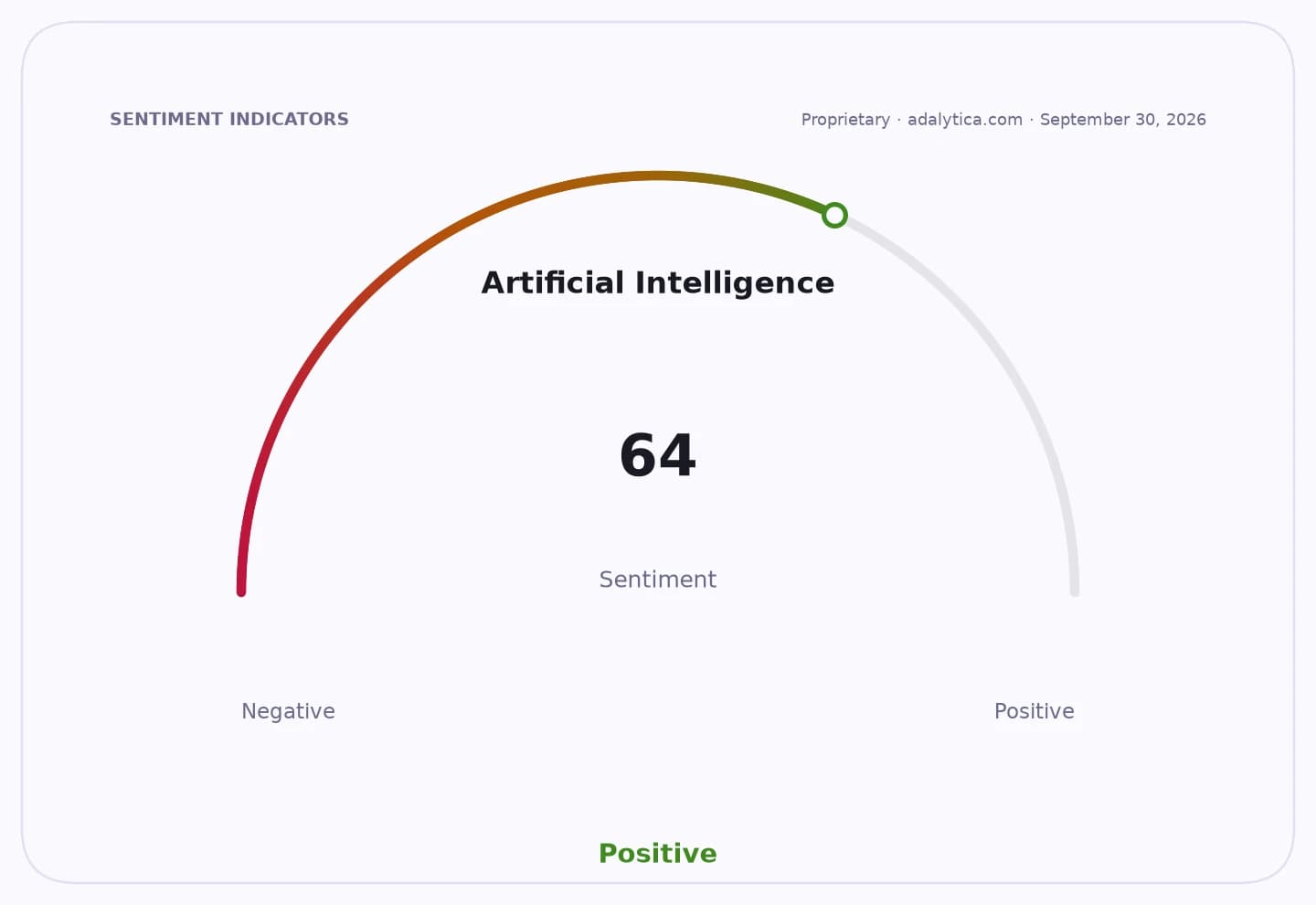
Sentiment IndicatorsⓘProprietary · adalytica.com · September 30, 2026
This is a snapshot — live sentiment, awareness and momentum for 130+ markets update continuously in the dashboard.Open AlphaPulse
That matters because the economics of artificial intelligence are increasingly being shaped by infrastructure constraints, not just model performance. Big tech companies are already pouring billions into servers, networking gear and data-center construction, while facing rising electricity demand, longer build times and mounting pressure over emissions. If even a small fraction of compute can be shifted off planet in the long run, it would challenge assumptions about where AI infrastructure must be built and how cloud capacity is scaled.
For investors, the immediate significance is less about near-term revenue and more about strategic positioning. Alphabet is signaling that it wants to stay ahead in AI infrastructure after already spending heavily on custom chips and data-center capacity. The move also underscores how central TPUs have become to Google’s AI stack, potentially strengthening the case for its differentiated hardware strategy versus rivals that rely more heavily on Nvidia chips and terrestrial data-center expansion.
There are major caveats. The first launch is only a prototype test, not a commercial deployment, and space-based computing faces unresolved questions around launch costs, maintenance, radiation, latency and environmental impact. The idea also raises regulatory and scientific questions, including possible effects on the atmosphere if the concept scales.
Still, the narrative is clear: as AI pushes the limits of Earth-bound power systems, Google is betting that the next frontier in cloud computing may be orbital. The October 2026 test will be watched as a proof point for whether space can become a credible extension of the data-center market, or remain an expensive technical experiment.
| Entity | Gains | Losses |
|---|---|---|
| Google/Alphabet | ▲TPU validation | ▼Near-term cost discipline |
| AI infrastructure buyers | ▲More power options | ▼Terrestrial capacity pressure |
| Nvidia | ▲Satellite-compute demand | ▼TPU differentiation challenge |
| Utilities/data-center landlords | ▲Less long-run demand | ▼Grid and land demand growth |