A Chinese company’s plan to build a $100 million beverage can factory in Bangladesh could cut the country’s reliance on imported cans while creating a new export base in a packaging market that is growing globally and across Asia.
Bangladesh can factory plan from Alu Hi-Tech
Alu Hi-Tech Industries Ltd, which is setting up the plant at Kaliakoir Hi-Tech Park in Gazipur, expects to produce 100 crore cans a year, with about 90% of output destined for overseas markets, according to managing director Yuan Dingyan. The project has already moved past the basement stage and the company is targeting production within eight months, but securing a gas connection remains the key bottleneck before commercial output can begin.
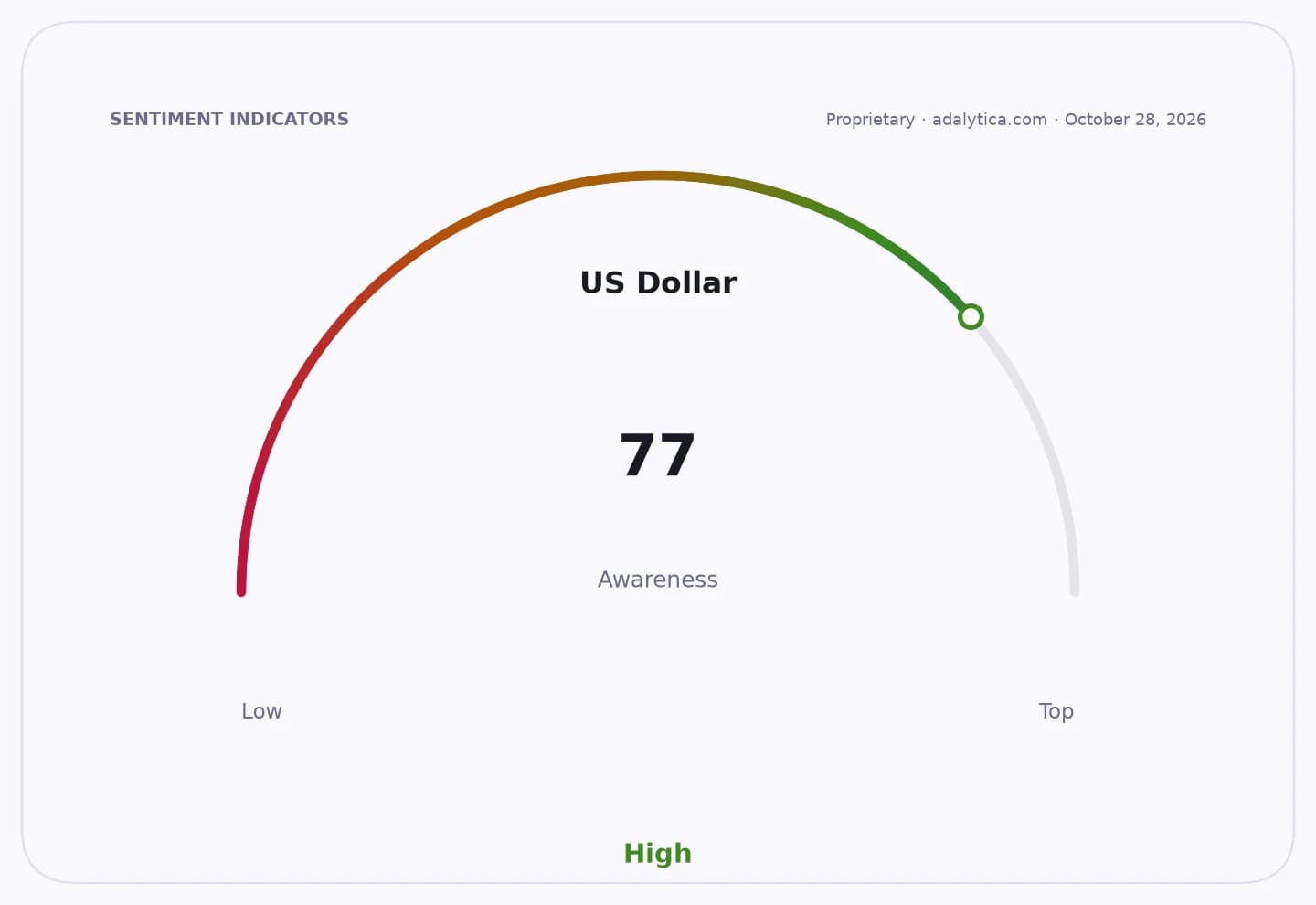
Sentiment Indicators
The investment matters because it sits at the intersection of industrial policy, foreign direct investment and Bangladesh’s push to deepen value-added manufacturing. Beverage cans are currently imported into the country, so a local plant could save foreign currency and reduce dependence on overseas supply, especially at a time when policymakers are looking for export-oriented industry that can earn hard currency rather than consume it.
The planned facility also reflects a broader shift in packaging demand. Aluminium cans are gaining share globally as brands and consumers move toward durable, recyclable alternatives to plastic bottles. In Bangladesh, cans are already used by major soft drink and energy drink brands including Coca-Cola, Pepsi, Sprite, Mirinda and Mountain Dew, suggesting a domestic market that is still relatively small but developing.
For investors, the project highlights both opportunity and execution risk. The economics are attractive if the factory can run at scale and tap export demand, particularly if Bangladesh can leverage lower-cost manufacturing and access to regional markets. But the reliance on gas infrastructure underscores how easily industrial projects in emerging markets can be delayed by utility constraints, turning a promising greenfield investment into a test of state capacity as much as corporate ambition.
The export-heavy model also suggests the company is not betting solely on Bangladeshi consumption, which is a logical strategy for a market that the firm says is too small to absorb most of its output. That could make the plant more resilient, but it also means the project will compete directly with established international can suppliers on price, consistency and logistics.
If the gas connection is resolved on time, the project could become a template for other Chinese manufacturing investments in Bangladesh’s special economic and hi-tech zones. If not, it would reinforce a familiar risk for investors: capital is available, demand exists, but infrastructure can still determine whether the factory becomes a foreign-exchange saver or another delayed industrial promise.
| Entity | Gains | Losses |
|---|---|---|
| Alu Hi-Tech Industries Ltd | ▲Export platform | ▼Utility delay risk |
| Bangladesh | ▲Import substitution | ▼Foreign-can suppliers |
| Local beverage brands | ▲Lower supply costs | ▼Imported packaging options |
| Gas utilities / regulators | ▲New industrial demand | ▼Pressure to deliver fast |