US aluminium processors are pressing Washington for relief from a tariff regime they say is raising costs, distorting trade flows and leaving downstream manufacturers at a disadvantage just as the sector faces weak demand and volatile input prices.
US Aluminium Processors Seek Tariff Relief
The complaint matters because aluminium fabricators sit at the end of a supply chain that feeds transportation, packaging, construction and defense, and tariff costs on imported metal, alumina and semi-finished products can quickly work their way into margins and prices. For consumers, that means a further squeeze on affordability; for companies, it raises the risk of lost business to foreign rivals that can source metal more cheaply.
Sentiment IndicatorsⓘProprietary · adalytica.com · July 19, 2026
This is a snapshot — live sentiment, awareness and momentum for 130+ markets update continuously in the dashboard.Open AlphaPulse
The pressure campaign comes as the broader aluminium complex remains under strain from geopolitics and uneven demand. Traders have been reselling cargoes of alumina out of the Middle East amid concern over Strait of Hormuz disruptions, while spot prices in parts of the market remain soft despite pockets of stabilization in aluminium fluoride. In China, domestic demand recovery for extrusions has stayed patchy and overseas orders have fluctuated, underscoring how fragile end-market demand is even before tariff effects are added.
The macro backdrop is not helping. US industrial production has edged higher into the summer, but the pace is modest and not enough on its own to absorb higher raw-material costs across the manufacturing base. At the same time, the 10-year Treasury yield near the mid-4% range keeps financing costs elevated for inventories, working capital and plant investment, making any tariff-related margin hit harder to digest.
The market reaction has already shown how sensitive aluminium names are to the policy mix. Alcoa has fallen sharply from its early-June peak, with technical indicators including its 50-day moving average and RSI readings pointing to a loss of momentum. Kaiser Aluminum has also rolled over after a strong run, while Century Aluminum has given back part of its earlier gains. The divergence suggests investors are no longer treating tariff protection as a clean positive: upstream producers may benefit from tighter import competition, but downstream firms face a direct hit to conversion margins and order books.
That split is central to the policy debate. Smelters and primary metal producers argue tariffs support domestic capacity and strategic supply security. Downstream users counter that a duty structure designed to protect upstream output can simply export jobs, encourage import substitution in finished goods and reduce the competitiveness of US manufacturers that buy metal as a feedstock. The issue is especially acute for companies that cannot pass through higher costs quickly in price-sensitive markets.
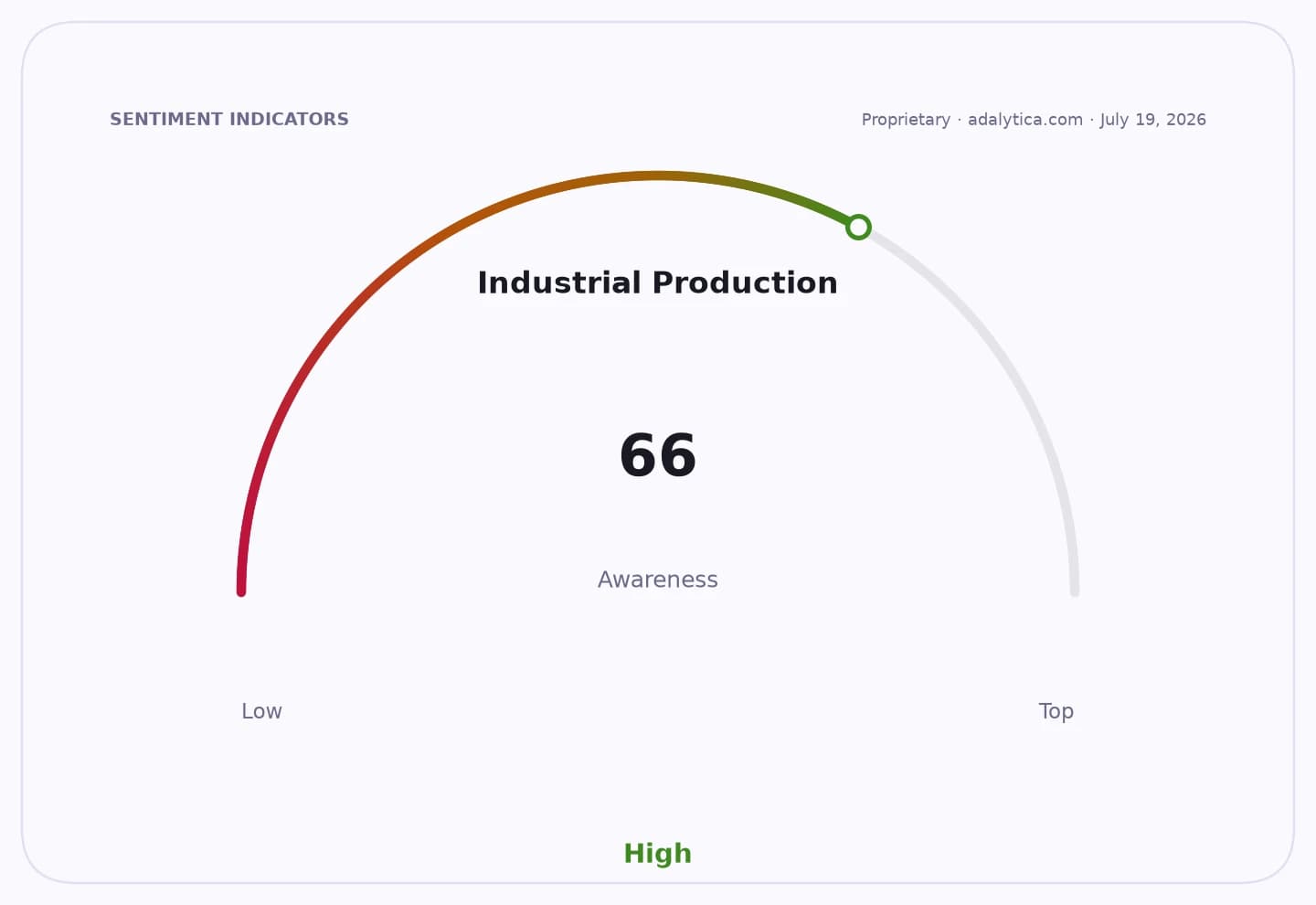
Adalytica’s industrial production sentiment gauge remains elevated, but that reflects broad optimism rather than clean confirmation that the aluminium chain has found stable footing. The combination of strong sentiment and weak price action in several aluminium shares points to a market that still sees policy risk, not policy clarity.
For investors, the key question is whether Washington adjusts the duty structure to favor downstream competitiveness, or keeps prioritizing domestic metal production and trade defense. Relief would likely improve margins for fabricators and extruders, while a more entrenched tariff regime would continue to favor upstream producers at the expense of processors, auto suppliers and construction-linked users. The next catalyst will be whether the industry’s appeal translates into action on exemptions, quota changes or broader tariff revisions.
| Entity | Gains | Losses |
|---|---|---|
| Upstream aluminium producers | ▲Higher domestic pricing power | ▼Greater policy scrutiny |
| Downstream fabricators/extruders | ▲Potential tariff relief | ▼Higher input costs |
| US consumers | ▲Possible lower finished-goods prices | ▼Cost pass-through risk |
| Foreign suppliers | ▲Access if duties ease | ▼Loss of protection if relief is granted |




