Amazon’s grocery business is becoming the most important way the company can deepen customer loyalty, even if it has to spend more to do it. That is the message from Whole Foods CEO Jason Buechel, who says grocery could transform Amazon from the “everything store” into the “everyday store” by giving shoppers a reason to return far more often.
Amazon grocery sales deepen customer loyalty

That matters because grocery is not just another category. It is the kind of high-frequency, low-margin business that can turn a digital marketplace into a habit. Investors have long liked Amazon for its scale in e-commerce and cloud computing, but grocery may be the bridge that makes Amazon more central to household routines, boosting engagement across Prime, delivery, advertising and marketplace sales. In other words, grocery may matter less for its direct profit contribution than for the spending ecosystem it pulls along with it.
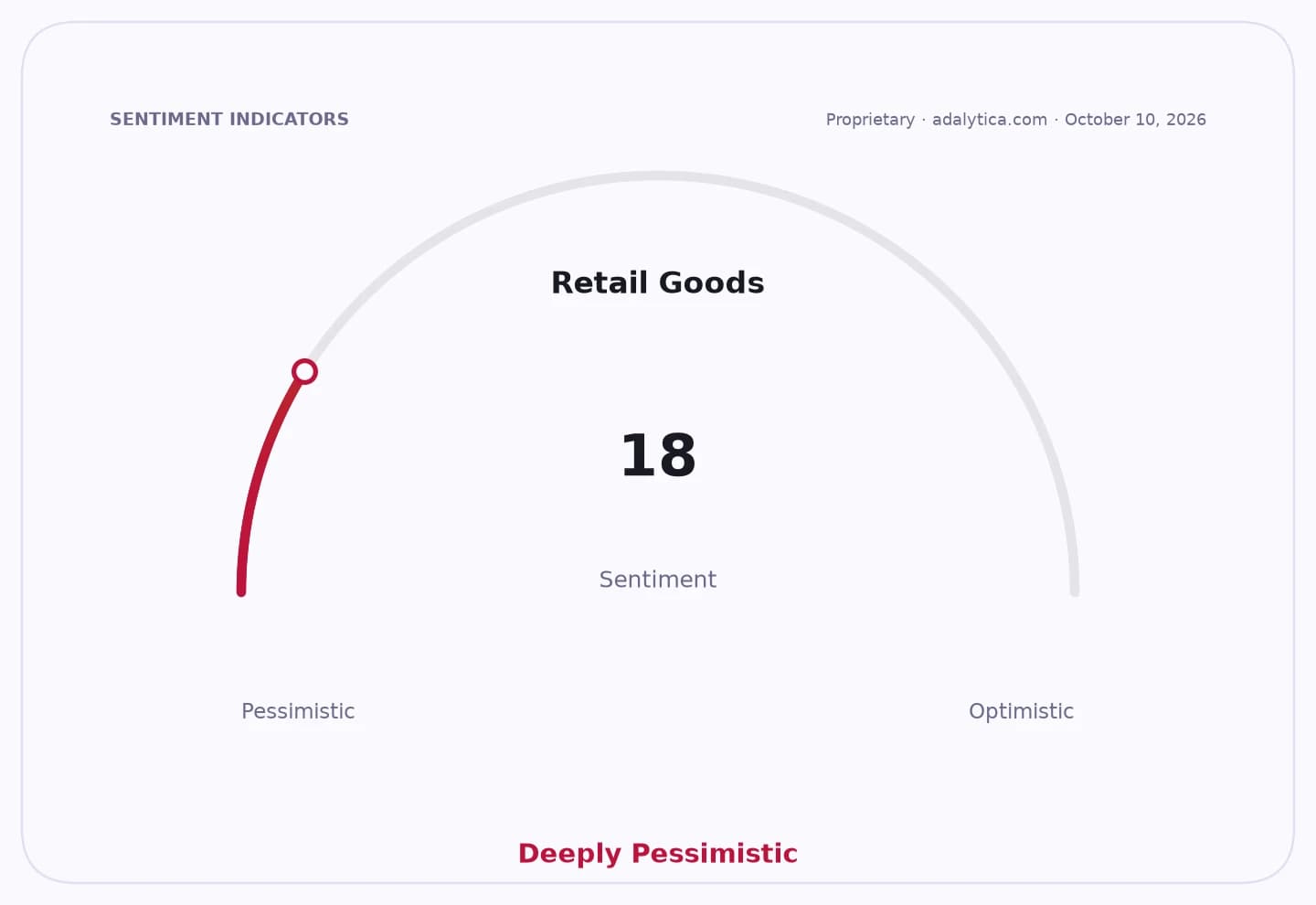
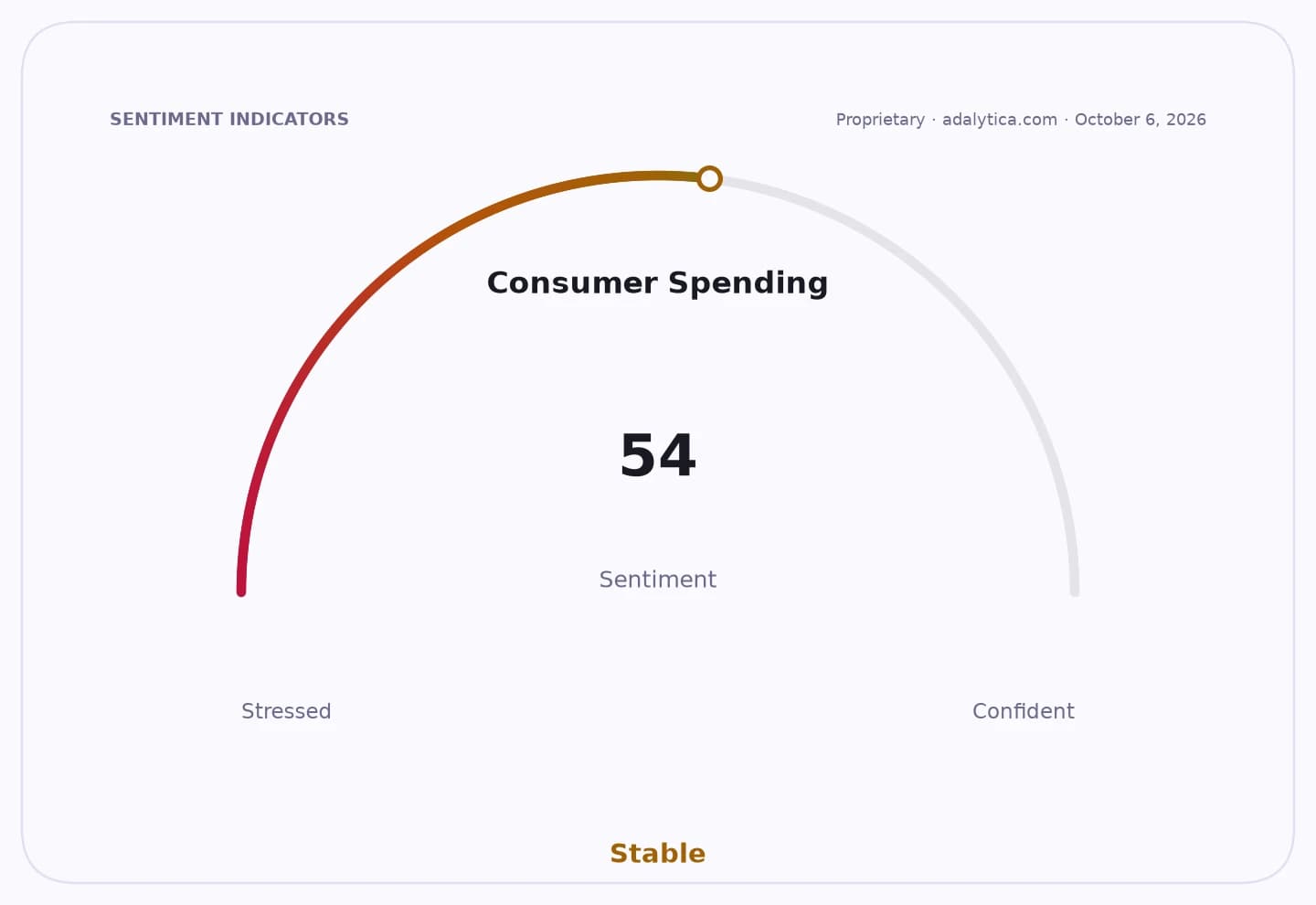
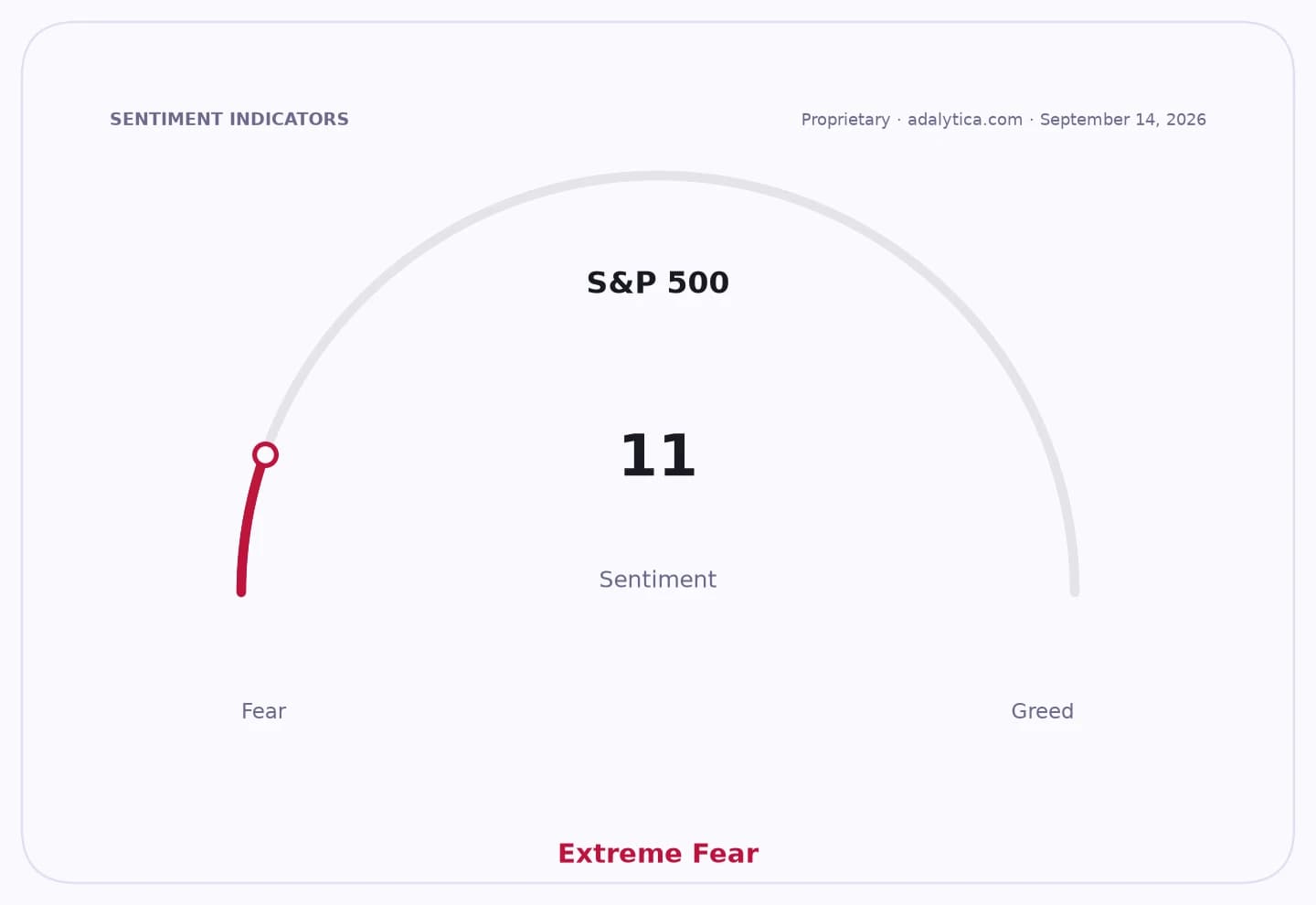
Sentiment IndicatorsⓘProprietary · adalytica.com · October 9, 2026
This is a snapshot — live sentiment, awareness and momentum for 130+ markets update continuously in the dashboard.Open AlphaPulse
Buechel said Amazon’s grocery operation generated more than $150 billion in sales last year, underscoring that this is already a material business, not an experiment. Amazon is also clearly willing to invest behind it. The company recently pledged $230 million in higher pay, benefits and college perks for more than 100,000 Whole Foods workers, a reminder that building a serious grocery franchise is labor-intensive and expensive. For Amazon, that is the trade-off: more traffic and stickier customer relationships on one side, thinner economics on the other.
The strategy also helps explain why Amazon has not tried to win grocery by promising the fastest possible delivery or the most futuristic store design. Buechel said the company is aiming for predictability over speed and is pivoting toward same-day grocery rather than some of the more experimental formats it has tried in the past. That is a more practical, and perhaps more durable, approach. Consumers may enjoy novelty, but they buy groceries week after week because the experience is reliable, not because it is dazzling.
For investors, the key question is whether grocery can lift Amazon’s lifetime value per customer enough to justify the capital and operating costs. The stock has already shown it can trade on expectations that the company keeps finding new ways to monetize its distribution network. Amazon shares closed at $262.43 on Oct. 9, above both the 50-day moving average of $259.10 and the 200-day moving average of $242.15, while RSI readings in the mid-50s suggest the move is not yet stretched. That leaves room for the market to keep rewarding evidence that grocery is helping Amazon win more often in everyday spending.
There are risks. Grocery is a brutal business with slim margins, heavy logistics demands and intense competition from Walmart, Costco and regional players that know the category well. Amazon may also have to keep balancing convenience against local pushback over delivery traffic and labor costs. But for long-term investors, those tensions are part of the story rather than a reason to ignore it. The company does not need grocery to become the most profitable part of the business; it needs it to become one of the most effective.
If Amazon can turn frequent grocery trips into a broader shopping relationship, the company’s moat gets wider, not just deeper. That is why this strategy is worth watching for years, not quarters.
| Entity | Gains | Losses |
|---|---|---|
| Amazon | ▲more frequent customer visits | ▼lower-margin economics |
| Whole Foods workers | ▲higher pay and benefits | ▼pressure for efficiency |
| Walmart and Costco | ▲opportunity to defend grocery share | ▼share pressure if Amazon gains traction |
| Investors | ▲broader Amazon ecosystem growth | ▼near-term margin dilution |