Amazon is pushing into satellite internet with a strategy Elon Musk’s Starlink has struggled to match: winning over buyers who want a broader commercial partner, not just a fast-moving consumer brand.
Amazon Satellite Push Could Extend Enterprise Moat

That matters because satellite broadband is no longer just a space race. It is becoming a distribution fight for enterprise customers, governments and remote-network operators that need reliable service, procurement flexibility and integration with larger cloud and logistics ecosystems. If Amazon can translate its scale in cloud, enterprise software and retail infrastructure into satellite connectivity, it could turn a niche connectivity business into a sticky, recurring revenue stream with far more economic value than a simple hardware sale.
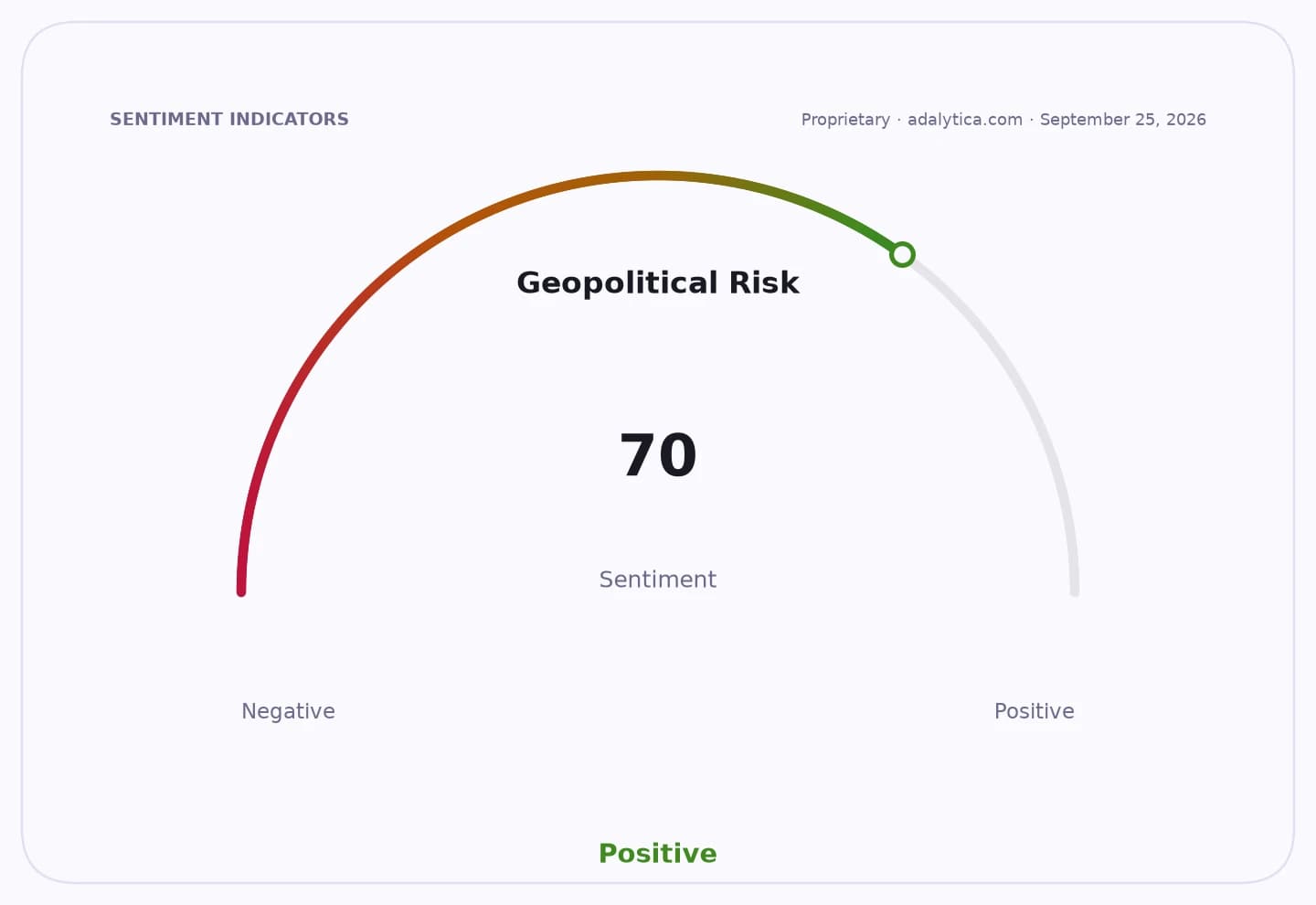
Sentiment IndicatorsⓘProprietary · adalytica.com · July 17, 2026
This is a snapshot — live sentiment, awareness and momentum for 130+ markets update continuously in the dashboard.Open AlphaPulse
The market is already starting to price in that possibility. Amazon shares have rebounded sharply, with the stock closing at $248.40 on July 17 after touching $254.96 the prior session, well above its 200-day moving average of about $234. The shares remain slightly below the 50-day average near $252, suggesting investors are still digesting the rally rather than chasing it blindly. The technical picture — with RSI near 69 and the MACD back above its signal line — points to strong momentum, but not the kind of froth that usually accompanies a one-day pop.
For long-term investors, the bigger point is that Amazon’s satellite effort fits the company’s best habit: turning infrastructure into an ecosystem. Just as AWS became the backbone of cloud computing, a satellite broadband service tied to Amazon’s broader enterprise and logistics stack could deepen customer relationships in hard-to-reach markets. That is especially compelling in places where laying fiber is expensive, where businesses need backup connectivity and where governments prize resilience.
Starlink still has the lead in brand recognition and operational scale, and it remains the benchmark in low-Earth-orbit internet. But Amazon does not need to beat Starlink everywhere to make this initiative valuable. It only needs to win the customers for whom procurement, security, uptime and integration matter more than being first. That is often where the most durable profits are found.
The competitive backdrop also helps explain why the opportunity matters economically. Satellite connectivity sits at the intersection of telecom, cloud, defense and industrial automation. As more businesses move critical operations online, the cost of downtime rises, making redundant networks more valuable. A company that can bundle satellite access with broader digital services may be able to capture more of that spending than a standalone provider.
There are risks, of course. Satellite internet is capital intensive, technically demanding and likely to stay competitive. Starlink, owned by Tesla chief executive Elon Musk’s SpaceX, has already proven it can scale quickly. Amazon will need to show that its effort can move from promising announcement to reliable, profitable service. But for investors with a multiyear horizon, that is exactly the kind of optionality worth owning inside a larger, diversified portfolio.
The right way to view this is not as a one-quarter trading catalyst, but as another sign that Amazon keeps extending its moat into adjacent markets. If it can make satellite connectivity useful for enterprises, governments and remote industries, the payoff could compound for years. That makes the stock worth watching closely and, for patient investors, a business to consider holding for the long term.
| Entity | Gains | Losses |
|---|---|---|
| Amazon | ▲New recurring revenue stream | ▼Execution risk |
| Starlink/SpaceX | ▲First-mover advantage challenged | ▼Premium market share |
| Enterprise and government buyers | ▲More supplier choice | ▼Longer procurement cycle |
| Long-term AMZN investors | ▲More ecosystem upside | ▼Near-term margin pressure |