American Airlines’ brief nationwide grounding is a reminder that in modern aviation, software failure can be as disruptive as bad weather — and the market still underprices how much operational fragility can hit revenue, margins and investor confidence.
American Outage Highlights Aviation Resilience Premium
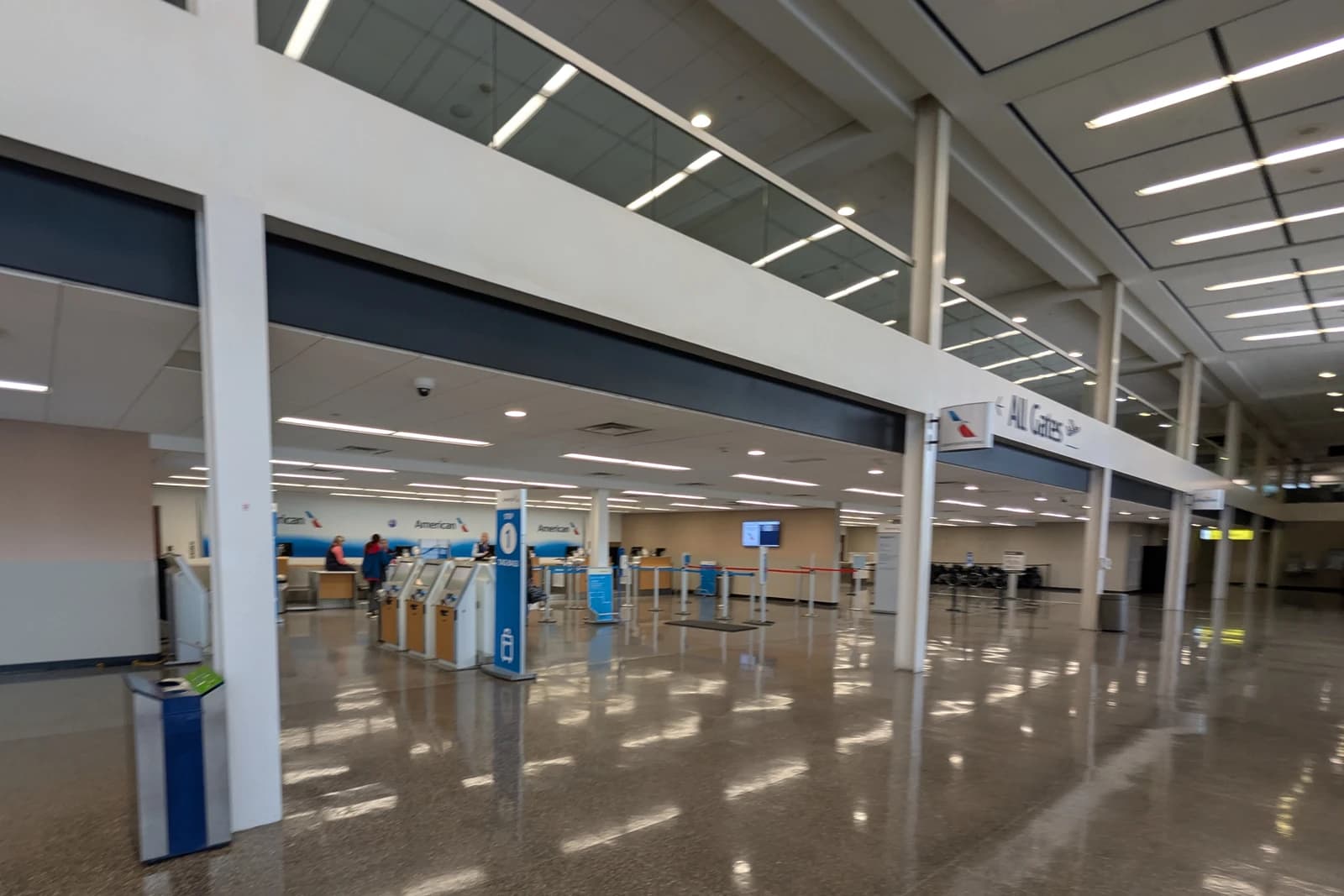
The outage halted departures across the U.S. before flights resumed, but the economic damage is not measured only in delayed passengers. Every grounded plane means lost seat inventory, rebooking costs, airport and crew disruptions, and a hit to a carrier’s ability to monetize a tight travel schedule. For an airline like American, which competes on thin margins and high asset utilization, even a short IT failure can ripple into a full day of operational inefficiency.
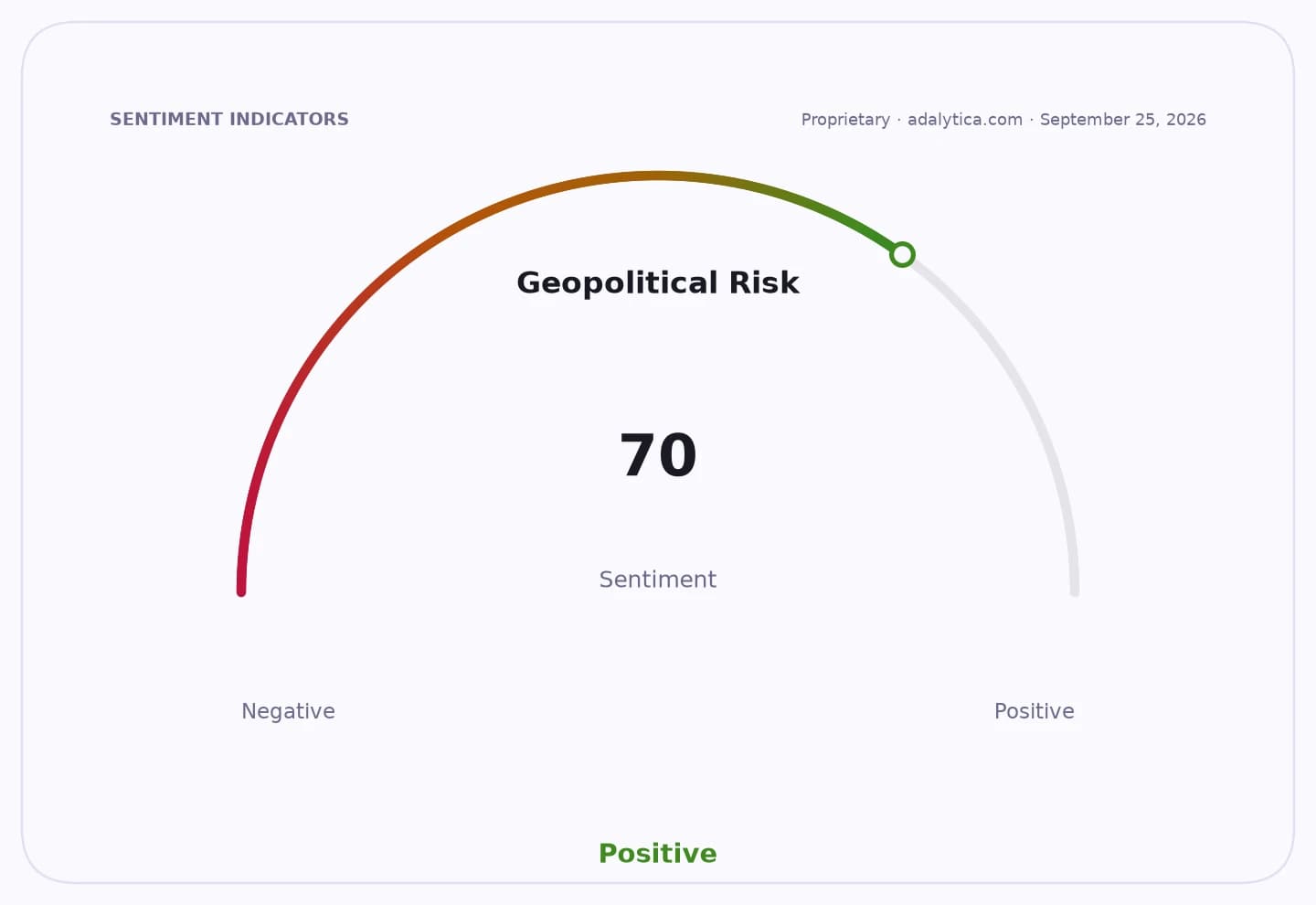
Sentiment IndicatorsⓘProprietary · adalytica.com · July 29, 2026
This is a snapshot — live sentiment, awareness and momentum for 130+ markets update continuously in the dashboard.Open AlphaPulse
The bigger point for investors is that airline equities trade on execution just as much as demand. American’s shares have been volatile and remain far below the highs reached earlier this summer, with the stock at $15.36 after touching $16.52 on July 8 and then sliding as low as $13.56 on July 23 before rebounding. Technical readings show the stock has been trying to recover, with the price back above the 50-day moving average, but the earlier selloff and weak RSI around the low-40s underscore how quickly confidence can evaporate when operations break down.
This is where the investment thesis gets more interesting. The market often treats airline outages as one-off headaches, but repeated system failures reinforce a structural case for better positioned rivals and for the infrastructure layer behind the industry. Delta and United have been trading with much stronger underlying momentum than American, and that divergence matters. Delta’s stock has climbed back toward the upper end of its recent range, while United has also recovered sharply from spring weakness. Investors are increasingly rewarding carriers that can protect reliability, pricing power and schedule integrity.
American’s temporary grounding also puts a spotlight on the capex race hidden inside commercial aviation. Airlines are not just buying planes; they are buying resilience — redundant systems, cybersecurity, cloud architecture, crew management software and real-time disruption tools. That is a secular tailwind for the picks-and-shovels providers that sell into aviation operations, from airport technology vendors to enterprise software and communications infrastructure firms. The carrier that gets stranded by IT is the one forced to spend more to avoid being stranded again.
There is also a broader market lesson here: in an industry already exposed to fuel costs, labor pressure and weather, technology risk is becoming a first-order earnings variable. Regulators, passengers and corporate travel buyers will remember the carrier that could not keep its schedule running. Competitors can use that to win share, especially among higher-yield business travelers who pay for reliability.
For investors, the takeaway is straightforward: American Airlines remains a turnaround story with operational risk attached, not a clean reopening trade. I believe the better asymmetric opportunities sit in the more reliable carriers and in the infrastructure names that profit every time airlines are forced to harden their systems. In a sector where one IT outage can freeze the network, resilience is becoming a tradable advantage.
| Entity | Gains | Losses |
|---|---|---|
| Delta Air Lines | ▲reliability premium | ▼none from outage |
| United Airlines | ▲relative share gain | ▼none from outage |
| American Airlines | ▲operational reset urge | ▼reputation, revenue |
| Aviation tech vendors | ▲more IT spending | ▼none from outage |