A New York CEO’s use of AI agents to manage family logistics is a small-scale example of a much larger economic shift: artificial intelligence is moving from productivity software for the office into the invisible labor of daily life, where it can free up hours of time but still requires human supervision.
Andela CEO Uses AI Agents for Family Logistics

Carrol Chang, chief executive of Andela, said AI tools have reduced the time she spends each week on household administration from as much as eight hours to about two, after she built agents to handle school emails, sports schedules and meal planning. The story matters because the productivity gains are not just theoretical anymore; they are being measured in reclaimed time, lower stress and, potentially, higher labor force participation for senior workers who are trying to balance demanding jobs and caregiving.
Sentiment IndicatorsⓘProprietary · adalytica.com · October 19, 2026
This is a snapshot — live sentiment, awareness and momentum for 130+ markets update continuously in the dashboard.Open AlphaPulse
Chang’s case also illustrates how quickly AI has become accessible to nontechnical users. She said she had no engineering background and created the agents by asking AI to walk her through the process step by step. One tool now sorts school correspondence, flags relevant messages and filters out noise. Another maps children’s sports commitments across New York City and automatically populates calendars, while a third suggests meals and shopping lists based on dietary restrictions and allergies.
That is economically significant because household administration is a hidden time burden that does not show up in corporate productivity statistics, but it affects how much energy high-skilled workers can devote to paid work. For executives, professionals and parents with intense schedules, AI assistants can act as a force multiplier, compressing the unpaid labor that often creates friction in career progression and family life. If that pattern spreads, it could modestly ease the trade-off between caregiving and work that still weighs heavily on women and senior managers.
The broader implication for investors is that the AI opportunity is not limited to frontier model training or enterprise chatbots. A growing share of value may come from “agentic” applications that sit on top of existing models and automate routine coordination tasks. That favors software platforms, consumer productivity apps and companies that can make AI useful in specific workflows, rather than those that merely supply raw model capacity.
At the same time, Chang’s experience underscores the limits of the technology. She said the agents still require review to prevent mistakes, a reminder that AI remains a co-pilot rather than a fully autonomous replacement for human judgment. That caution is consistent with the wider debate around AI adoption: deployment is often slowed not by model capability alone, but by data quality, governance and the need for reliable oversight.
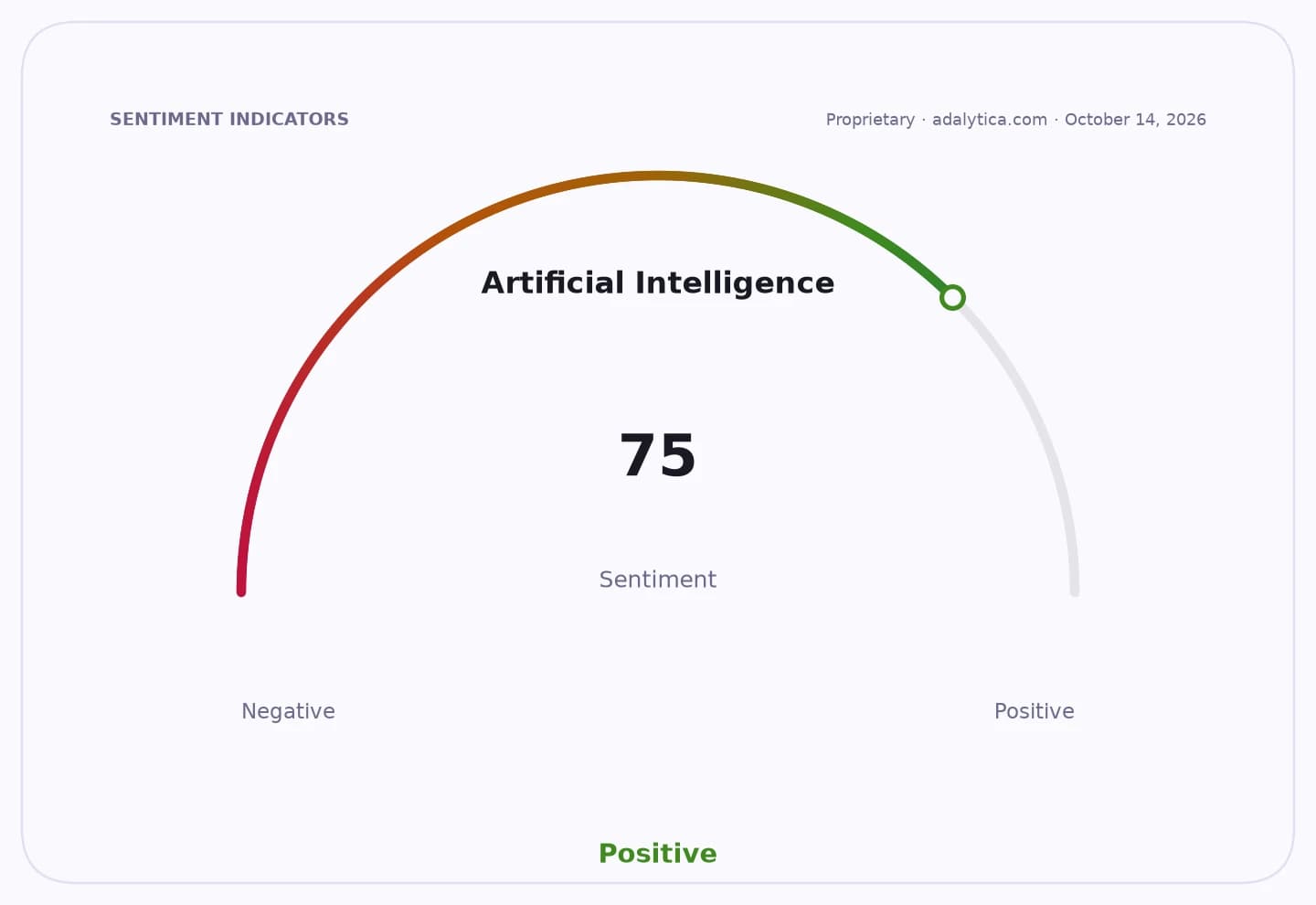
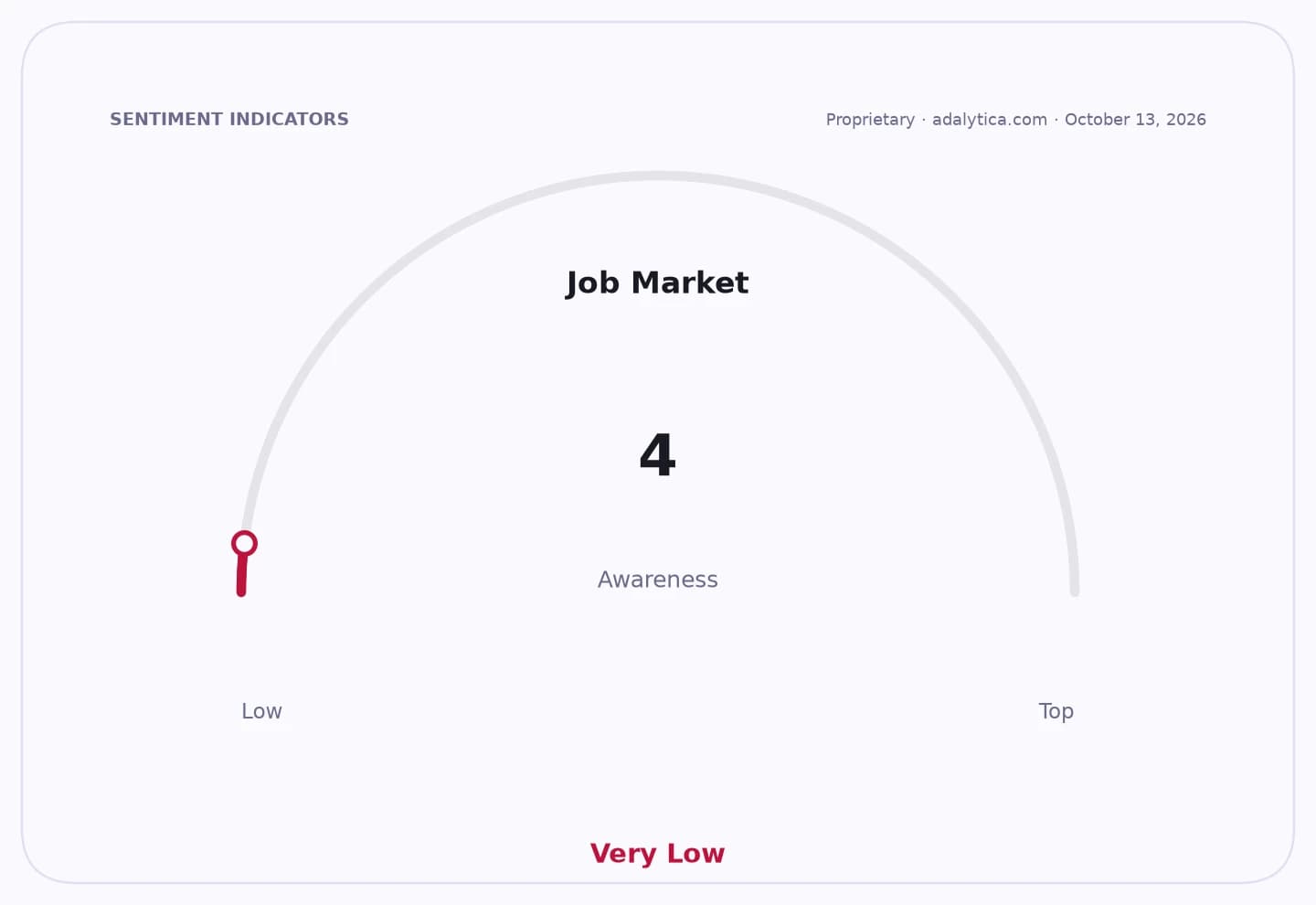
Adalytica’s AI sentiment gauge shows neutral overall sentiment at 54, but awareness remains in extreme fear territory, suggesting that interest in AI is broadening even as users remain wary of overreliance. For investors, the message is that the next phase of the AI cycle may be defined less by hype around model performance and more by whether the technology can save time in real-world routines without creating new operational risks.
| Entity | Gains | Losses |
|---|---|---|
| Busy parents | ▲More time, less stress | ▼More review burden |
| AI software makers | ▲New consumer use cases | ▼Higher expectations for reliability |
| Employers | ▲Potentially more productive senior staff | ▼Less immediate control over workflow |
| Traditional admin routines | ▲Faster automation | ▼Manual scheduling time |