An Anthropic technical staffer says he and Claude have found a proof of the Riemann Hypothesis, a claim that, if verified, would mark one of the biggest mathematical breakthroughs in more than a century and a half and underscore how far AI has moved beyond chat and coding into high-end scientific research.
Anthropic staffer says Claude helped prove Riemann
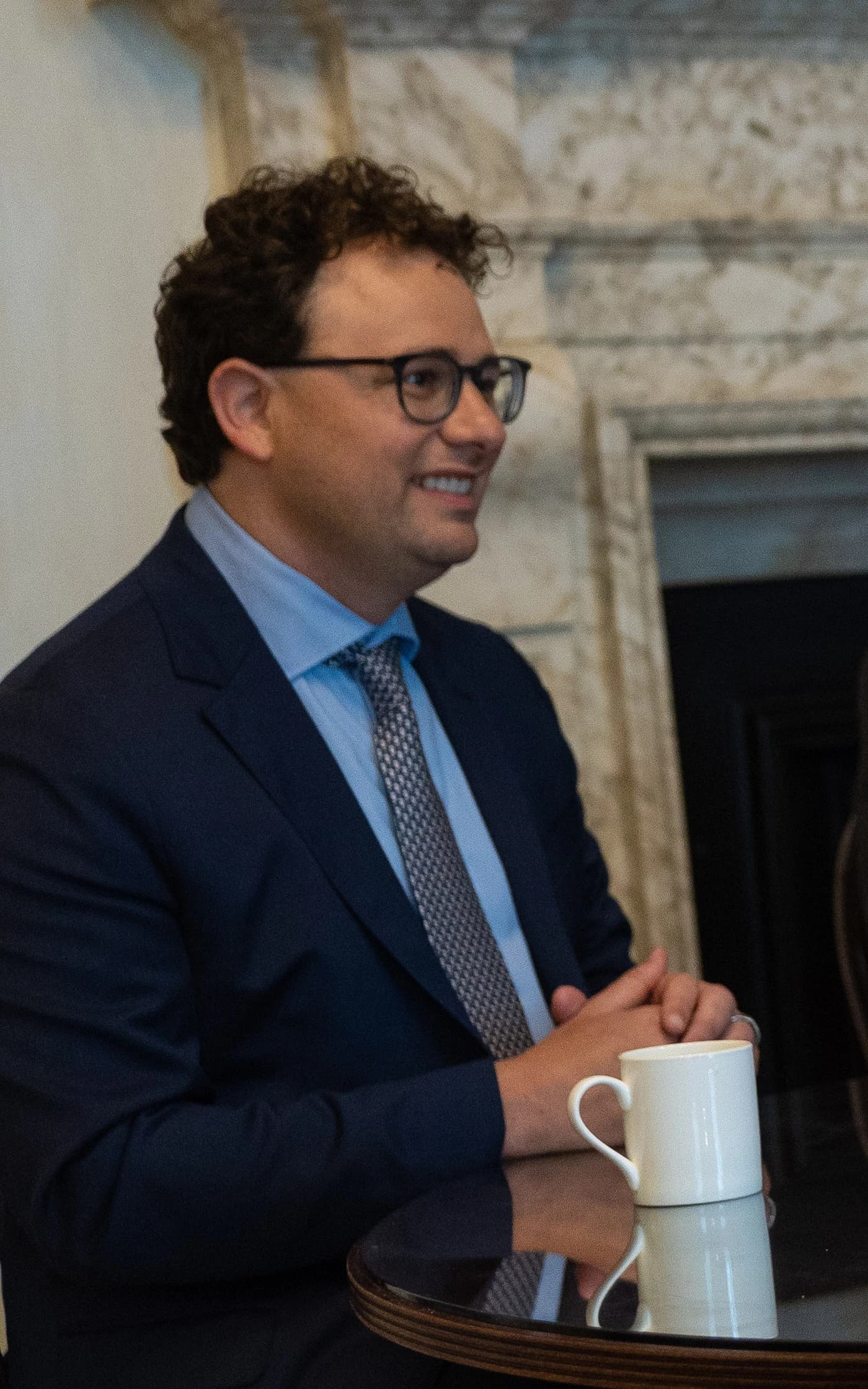
Levent Alpöge said Friday that he believes the AI model helped him solve the famed problem, which has been open since 1859 and is one of the Clay Mathematics Institute’s seven Millennium Prize Problems. The institute offers $1 million for a valid solution, but the hypothesis remained listed as unsolved hours after Alpöge’s announcement, and formal verification could take time.
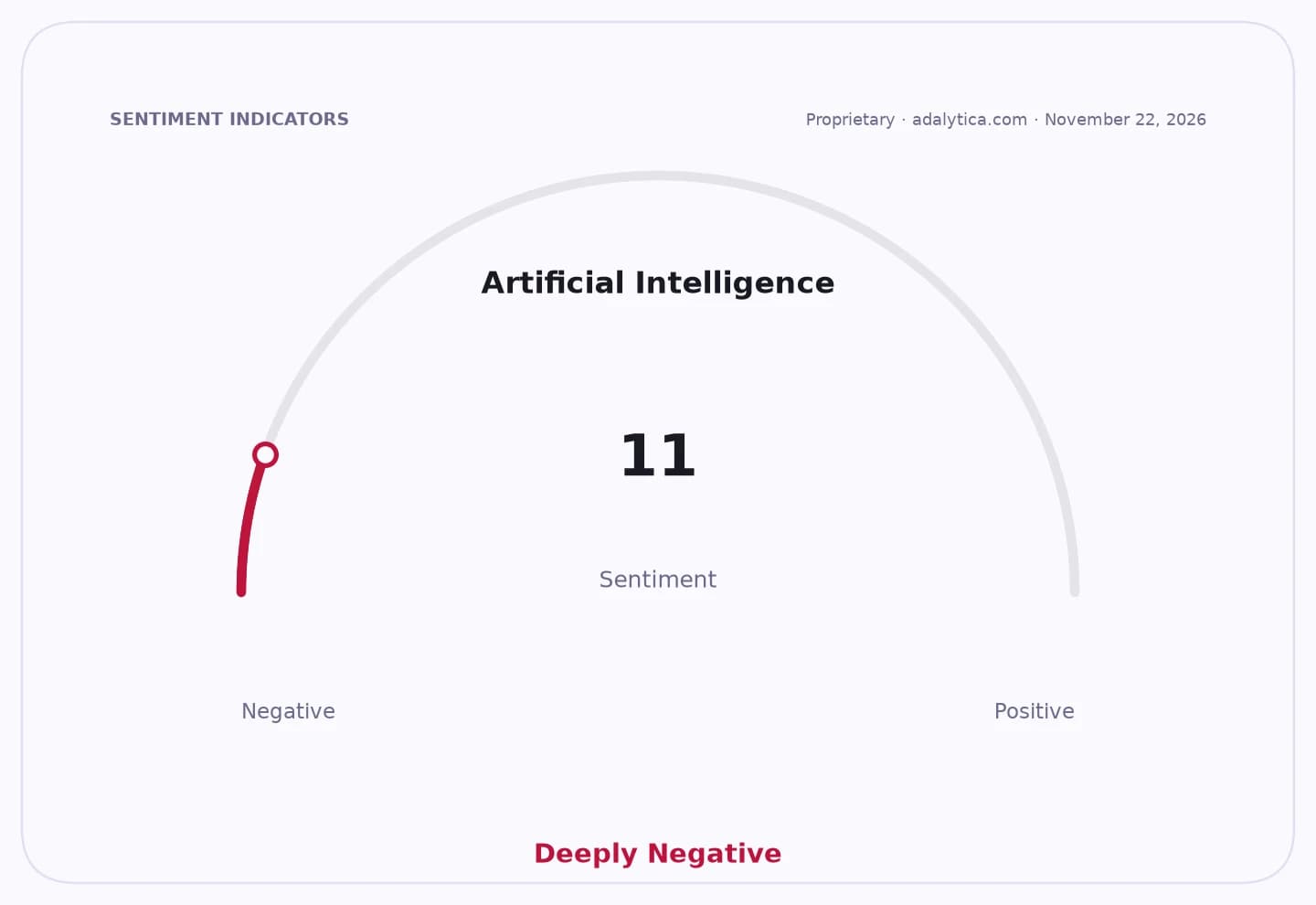
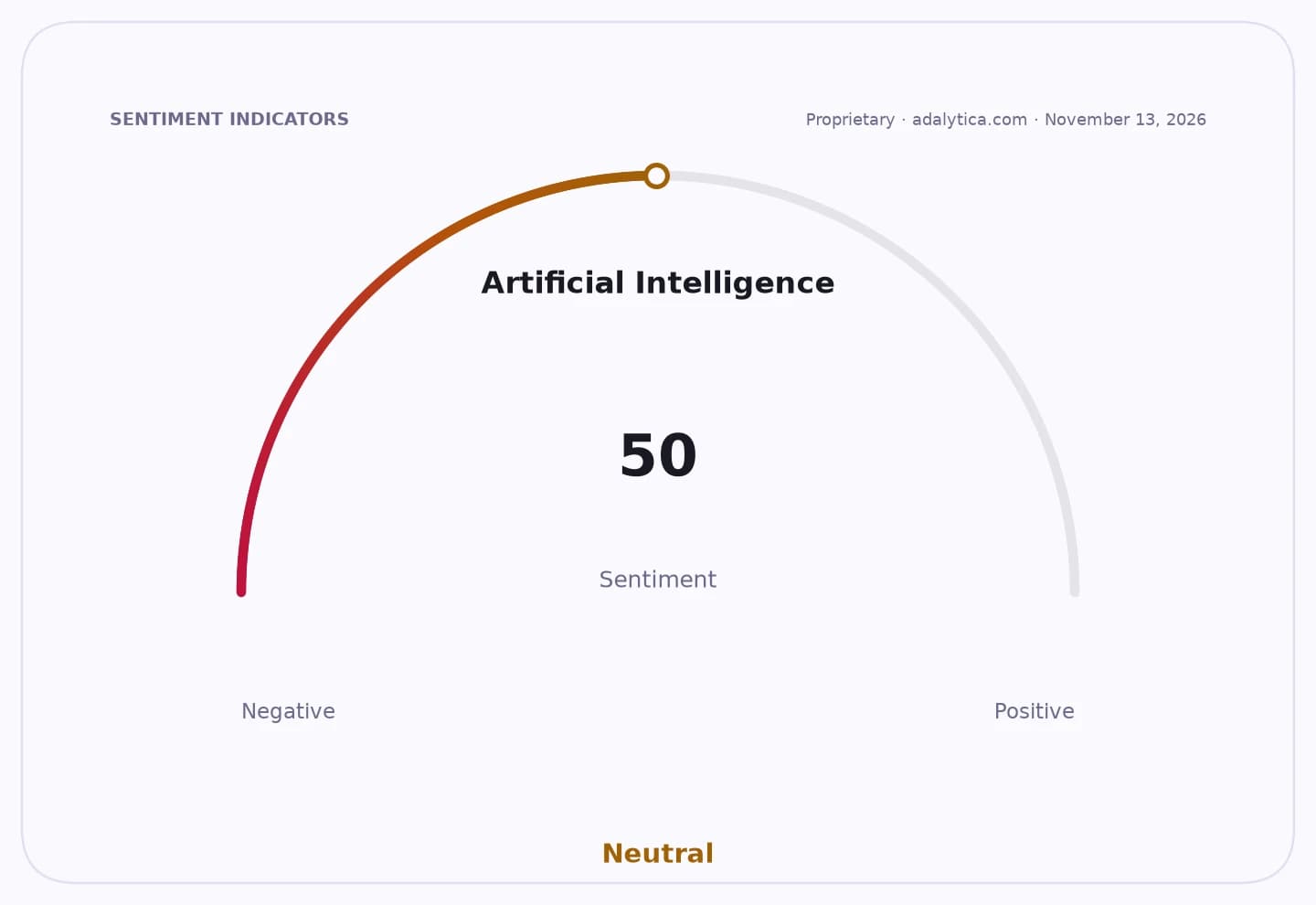
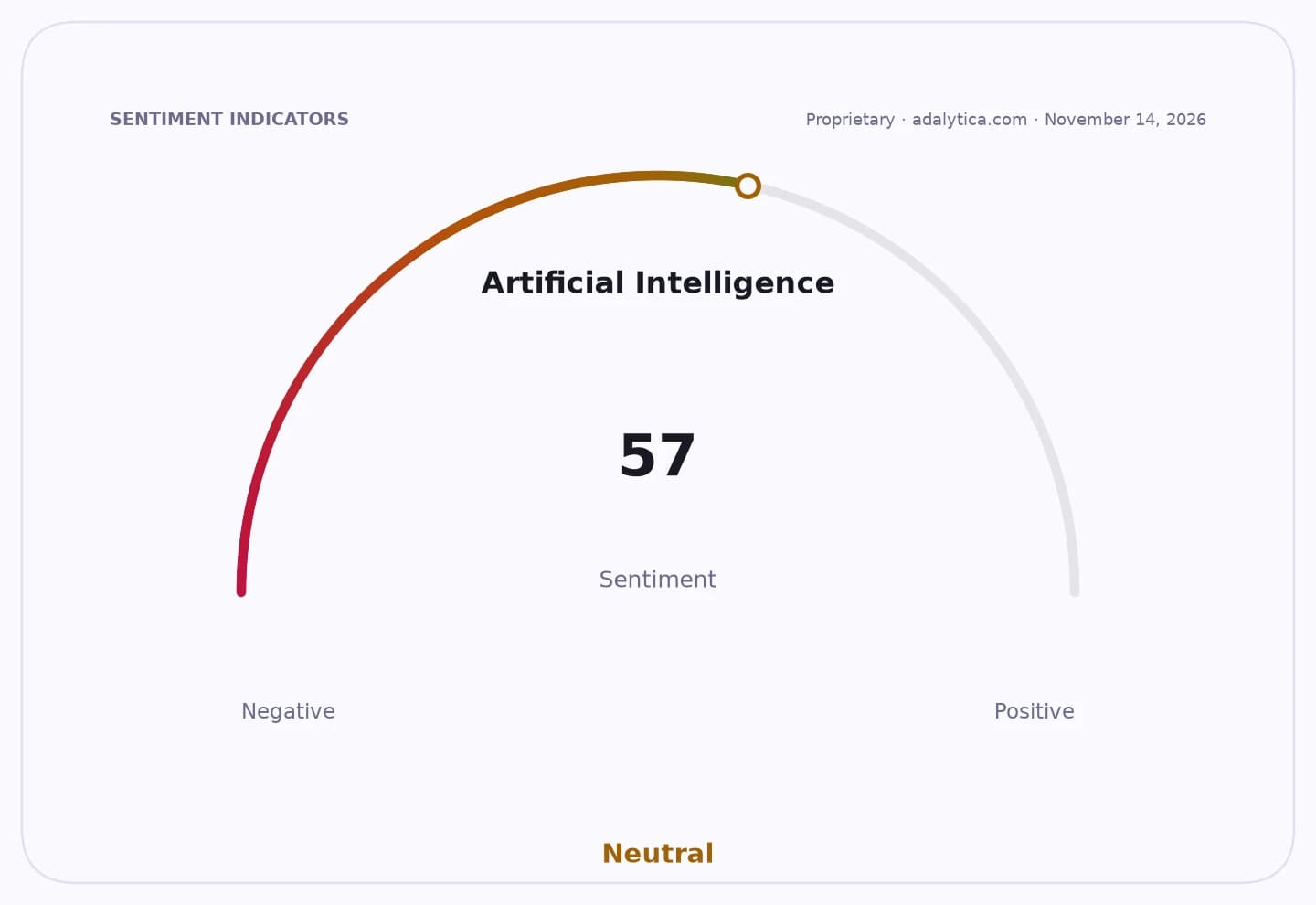
Sentiment Indicators
For investors, the claim adds to the case that frontier AI can produce measurable gains in research productivity, not just consumer-facing products and enterprise software. It also gives Anthropic another splashy moment just days after its record Wall Street debut, when it raised $81 billion at a $1.5 trillion valuation, reinforcing the market’s willingness to pay for AI systems that appear capable of accelerating discovery.
The Riemann Hypothesis sits at the center of prime-number distribution and has resisted some of mathematics’ best minds for 167 years. Alpöge said he and Claude generated more than 250,000 pages of work and ultimately reduced the proof to 17 million lines of Lean code, a formal language used to verify mathematical theorems.
That matters because a machine-checked proof, if accepted, would be more than a publicity win. It would strengthen the argument that large language models can serve as research partners in domains where precision matters and where AI’s value is measured in breakthroughs, not just lower costs or faster workflows.
The development also puts Anthropic in a fast-moving race with OpenAI and other AI rivals to demonstrate scientific utility. OpenAI said in September its technology helped with a separate breakthrough on the Navier-Stokes equation, another famed unsolved problem, suggesting the industry is now competing not only on model size and revenue but on credibility in mathematics and science.
Claude’s role in the claim is likely to feed investor enthusiasm around AI infrastructure and model developers, including Nvidia, whose chips remain central to training and running frontier systems, even as the market has become more selective about the spending payback. The latest AI sentiment reading from Adalytica.com shows extreme fear around Microsoft earnings and neutral sentiment on Nvidia, a reminder that investors are still balancing AI optimism against margin and valuation concerns.
Anthropic said it did not respond to a request for comment, and the Clay Mathematics Institute said its review process will take time. The next catalyst is whether independent mathematicians can confirm the proof, a step that will determine whether this becomes a historic validation of AI-assisted discovery or just the latest headline in a still-unproven race for mathematical firsts.
| Entity | Gains | Losses |
|---|---|---|
| Anthropic | ▲Scientific credibility | ▼Doubts on proof quality |
| Claude / AI models | ▲Showcase of research ability | ▼Skepticism if unverified |
| AI investors | ▲Fresh adoption narrative | ▼Premiums if hype outruns proof |
| Traditional math gatekeepers | ▲Broader tools for discovery | ▼Loss of exclusivity in breakthroughs |