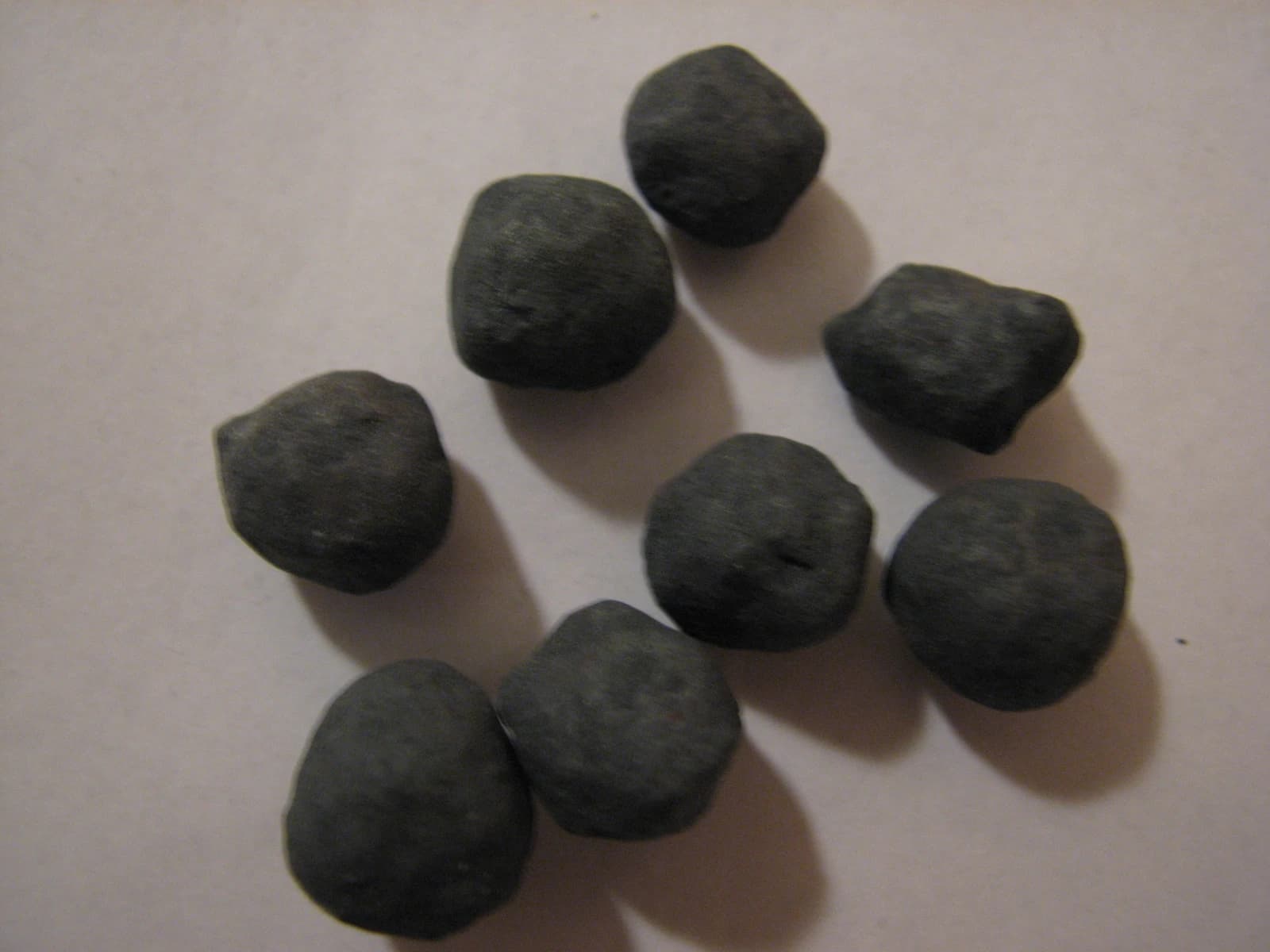
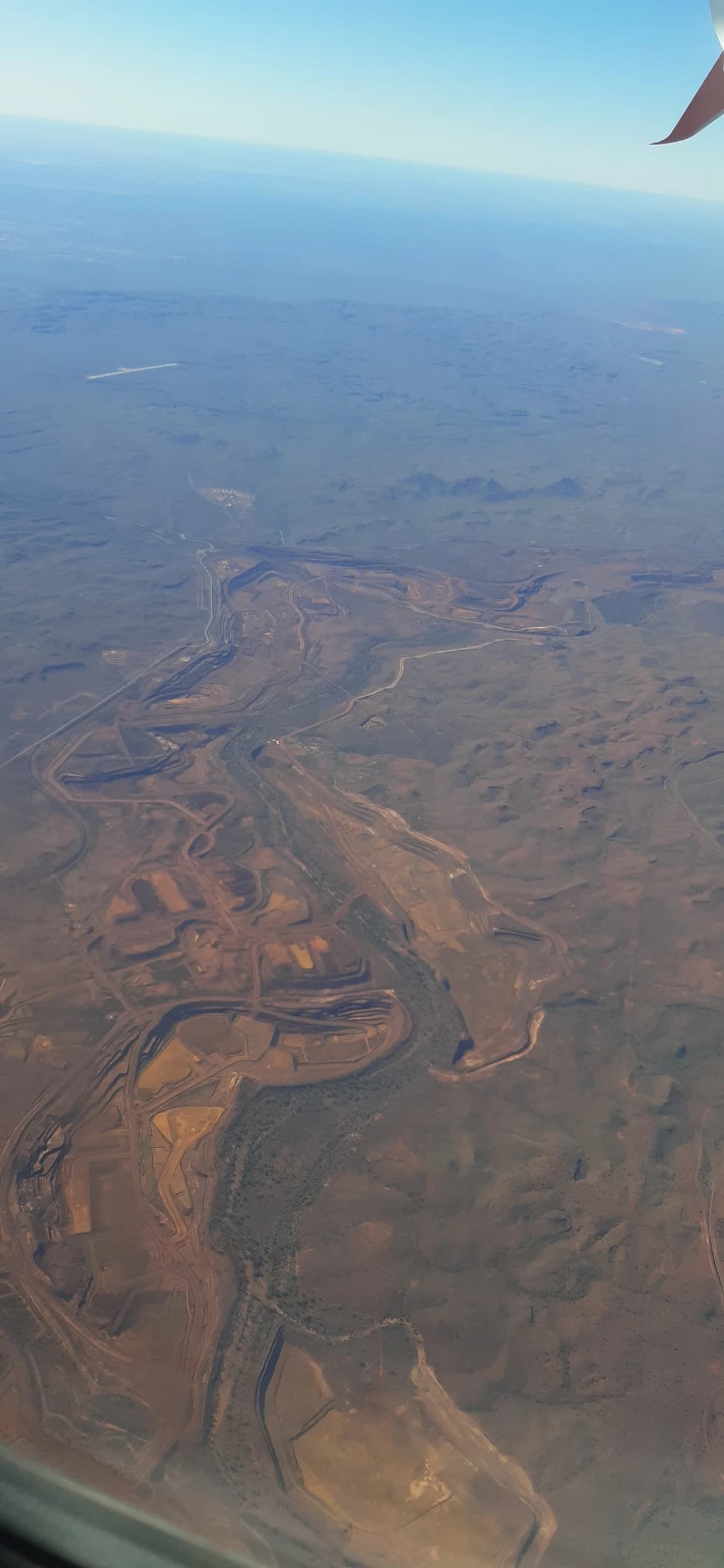
Antimony Resources has produced about 20 tonnes of antimony concentrate at its Tecomatlán plant in Mexico, a step that moves the small-cap miner closer to its first commercial sale and gives it the operating data it needs to design a larger processing circuit.
Antimony Resources Produces 20 Tonnes at Tecomatlán
The proof-of-concept campaign is more than a technical exercise: it is the bridge between test work and revenue. For a company trying to establish a domestic antimony processing hub, early proof that the plant can recover higher-grade concentrate and handle blended product improves the odds of meeting buyer specifications and turning feedstock into cash flow.
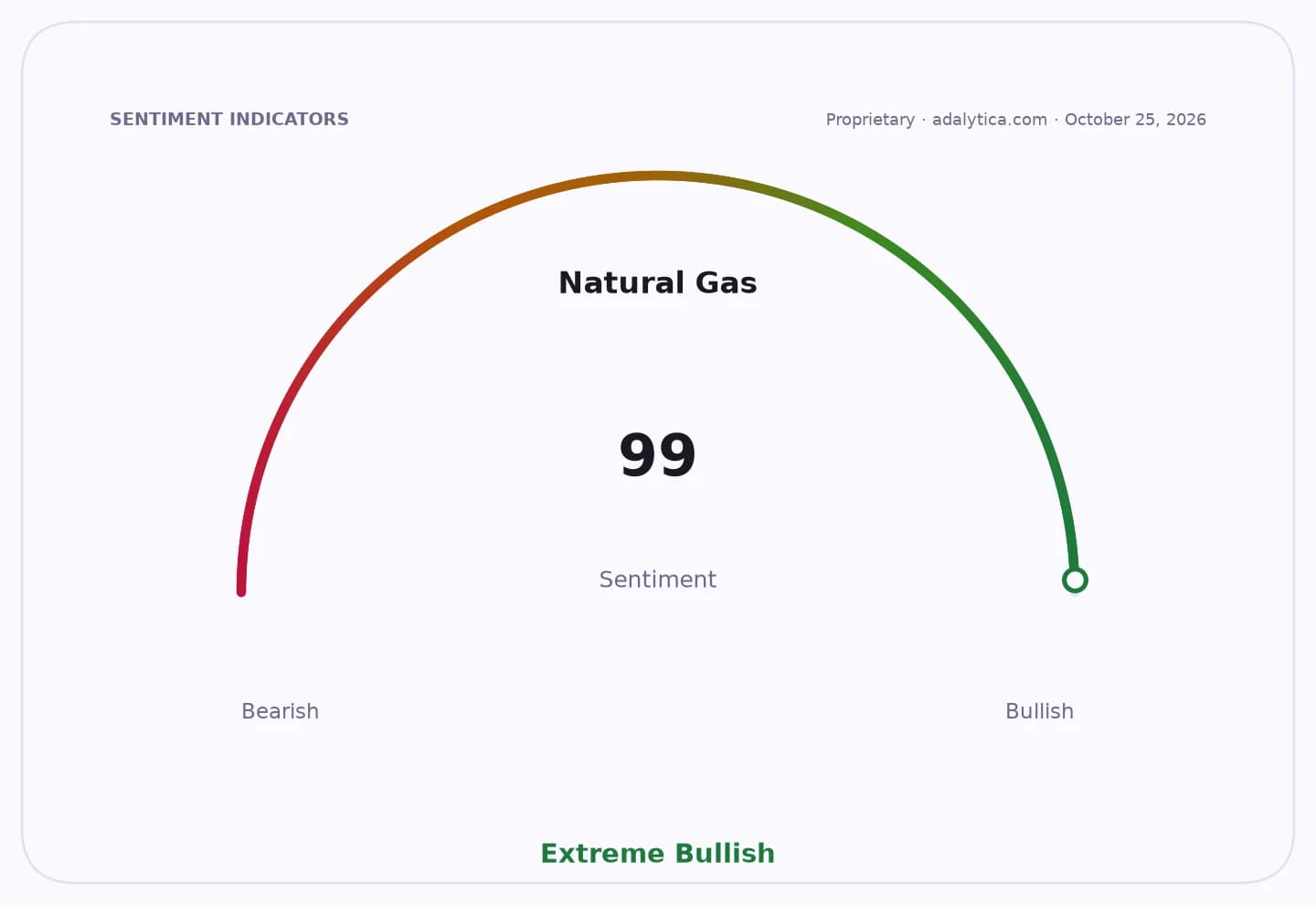
Sentiment Indicators
Intermediate samples from the first three flotation cells assayed as high as 65.96% antimony, while concentrate taken across four November runs in the unitary flotation stage ranged from 55.74% to 65.96%. Final samples from the circuit graded between 22.84% and 56.25%, underscoring that the plant is still being tuned for consistency as it reprocesses material from the nearby Chinantla mine.
The company said the hybrid flotation cells it built in-house are recovering liberated stibnite earlier in the circuit, improving selectivity and allowing different concentrate grades to be produced for blending. Tecomatlán’s existing flotation cells remain in use as scavenger and cleaning stages, while the test campaign feeds data into plans for an integrated gravity and flotation plant.
Executive Chair Shane Menere said Antimony Resources is now focused on building inventory, confirming the finished concentrate quality and qualifying an initial parcel against buyer requirements. The company also wants Tecomatlán to become a regional processing hub for third-party feed, with ore from its Los Lirios project as a possible future source.
The development matters because antimony is a strategic critical mineral used in flame retardants, alloys and other industrial applications, and supply remains tight globally. For investors, the key question is whether Antimony Resources can convert a promising lab-style recovery result into repeatable output and a saleable product, which would de-risk the project and potentially support a rerating if the plant moves from proof of concept to steady production.
The next catalyst is whether the company can maintain concentrate grades, secure buyer approval and announce its first sale from Tecomatlán.
| Entity | Gains | Losses |
|---|---|---|
| Antimony Resources | ▲Moves toward first sale | ▼Ongoing commissioning risk |
| Buyers of antimony concentrate | ▲Potential new supply source | ▼Less negotiating leverage |
| Competitors without processing capacity | ▲Less near-term advantage | ▼Higher relative execution pressure |
| Los Lirios project | ▲Potential feedstock outlet | ▼Remains undeveloped for now |