Apple briefly becoming the world’s most valuable company again is more than a symbolic handoff from Nvidia — it is a reminder that investors still pay up for scale, cash generation and staying power when the market gets excited about the next big thing.
Apple Reclaims Market Cap Lead From Nvidia

That matters because market leadership in 2026 is increasingly being decided by a handful of megacap companies with very different ways of compounding value. Nvidia has been the market’s purest AI beneficiary, but Apple’s surge shows that a mature hardware-and-services franchise can still reclaim the crown when sentiment shifts toward resilience, capital returns and brand power.
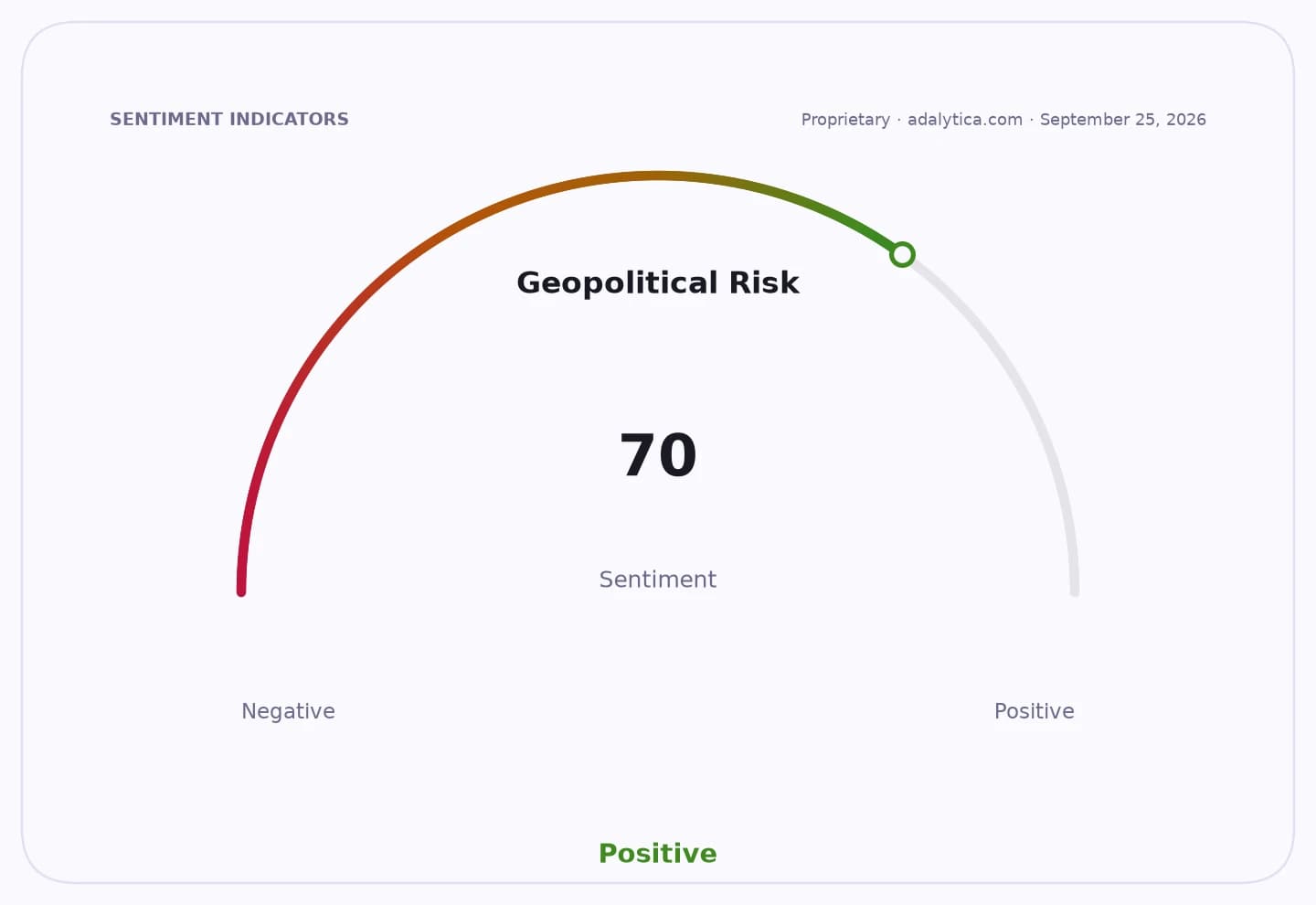
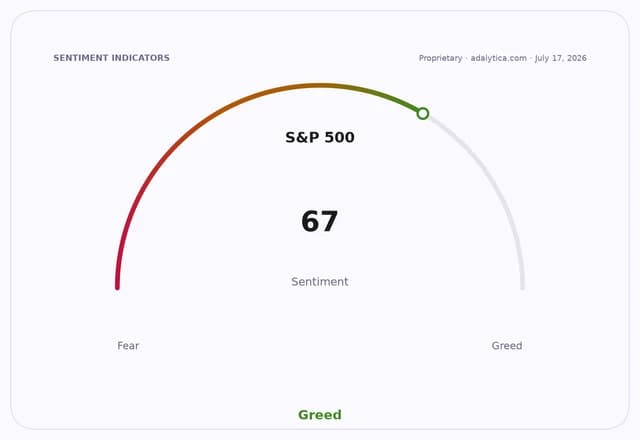
Sentiment IndicatorsⓘProprietary · adalytica.com · July 17, 2026
This is a snapshot — live sentiment, awareness and momentum for 130+ markets update continuously in the dashboard.Open AlphaPulse
Apple’s market capitalization temporarily climbed above Nvidia’s to around $4.9 trillion as Apple shares pushed to record highs near $333, while Nvidia slipped to about $203. The move came against a broader tech rally, with the Nasdaq-100 ETF QQQ also near the top of its recent range, but the contrast between the two companies tells the real story: Nvidia is still a growth engine tied to AI spending, while Apple remains a compounding machine powered by loyalty, recurring services revenue and an enormous installed base.
For long-term investors, that distinction matters far more than a one-day leaderboard change. Apple’s stock has been trading above both its 50-day and 200-day moving averages, a sign of durable momentum, even as its RSI reading has entered overbought territory. Nvidia, by contrast, has been more volatile, with its shares still below the levels that briefly carried it into the market-cap lead earlier this cycle. In other words, the market is rewarding steadiness as much as excitement.
Apple’s rise also comes at a useful moment for investors thinking in years, not days. The company has navigated supply constraints and rising component costs, yet it continues to generate enough cash to support buybacks, dividends and ongoing investment in the ecosystem that keeps customers locked in. A leadership transition from Tim Cook to executive chair has not interrupted that narrative, which is important: the market is signaling that Apple’s moat is now institutional, not personality-driven.
Nvidia’s pullback does not change its long-term role in AI infrastructure. The company still sits at the center of the data-center buildout, and Microsoft’s and other cloud giants’ continued spending reinforces that demand. But when investors rotate toward Apple, it suggests the market is asking a classic question: after the first wave of AI enthusiasm, which companies have the balance sheets, pricing power and cash flows to endure?
That is where Apple looks especially attractive for patient investors. It is not the fastest-growing name in tech, but it is one of the few companies in the world that can combine premium margins, brand strength and shareholder returns at enormous scale. That is the kind of business that can compound for a decade, not just a quarter.
There are risks, of course. Apple’s valuation is demanding, and the stock’s stretched technical readings suggest the shares could cool off. Nvidia still has the stronger near-term growth story if AI capital spending keeps accelerating. But investors do not need to choose a permanent winner from a single week’s price action. The better lesson is that elite franchises can trade leadership back and forth while still creating wealth over time.
For investors building durable portfolios, the takeaway is simple: Apple’s temporary pass of Nvidia is worth watching, not chasing. It reinforces the value of owning world-class businesses with real earnings power, and it may be another reminder to stay diversified, stay patient and let compounding do the work.
| Entity | Gains | Losses |
|---|---|---|
| Apple shareholders | ▲Market leadership, momentum | ▼Higher valuation risk |
| Nvidia shareholders | ▲AI franchise intact | ▼Lost market-cap crown |
| Long-term investors | ▲Proof of durable megacap compounding | ▼Temptation to chase headlines |
| Broad tech bulls | ▲Mega-cap strength | ▼Short-term rotation risk |