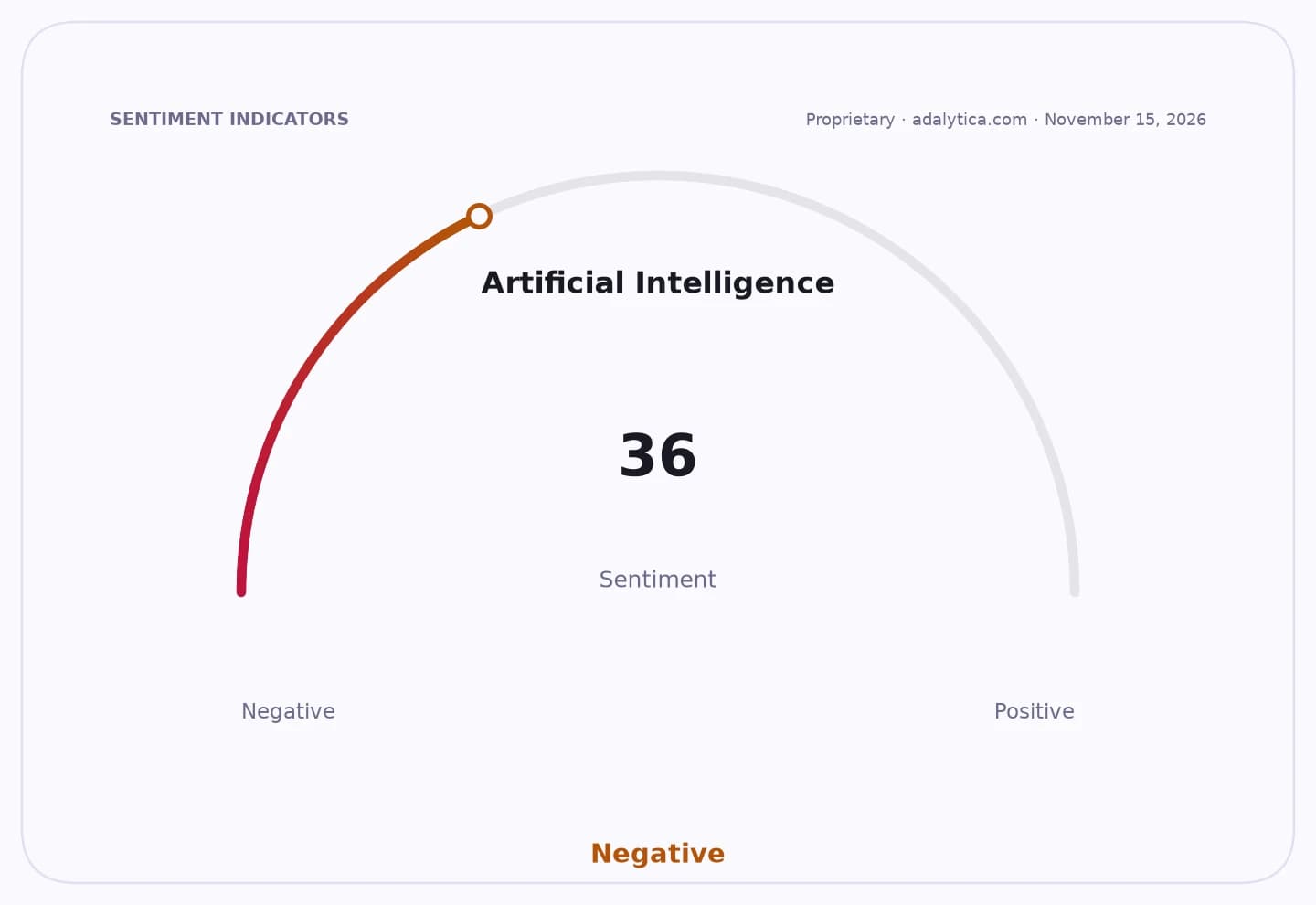
AppLovin’s push into AI-powered social discovery is drawing investor attention as Wink, its visual dating and friendship app, leans on an AI avatar to help users find matches, write opening lines and spark conversations. The pitch matters because AI features are becoming a key way consumer apps try to improve engagement and monetization at a time when user acquisition costs remain high and competition for attention is intense.
AppLovin Wink AI Dating App Tests Engagement
Wink, described as a “vibrant and visual” app for making friends and dating, uses a furry AI-eyeball companion to recommend personalized matches, suggest first messages and generate profile conversation starters. It also sells “Vibes,” digital items that let users signal personality in chats, a sign that the app is trying to blend AI assistance with social commerce and in-app spending.
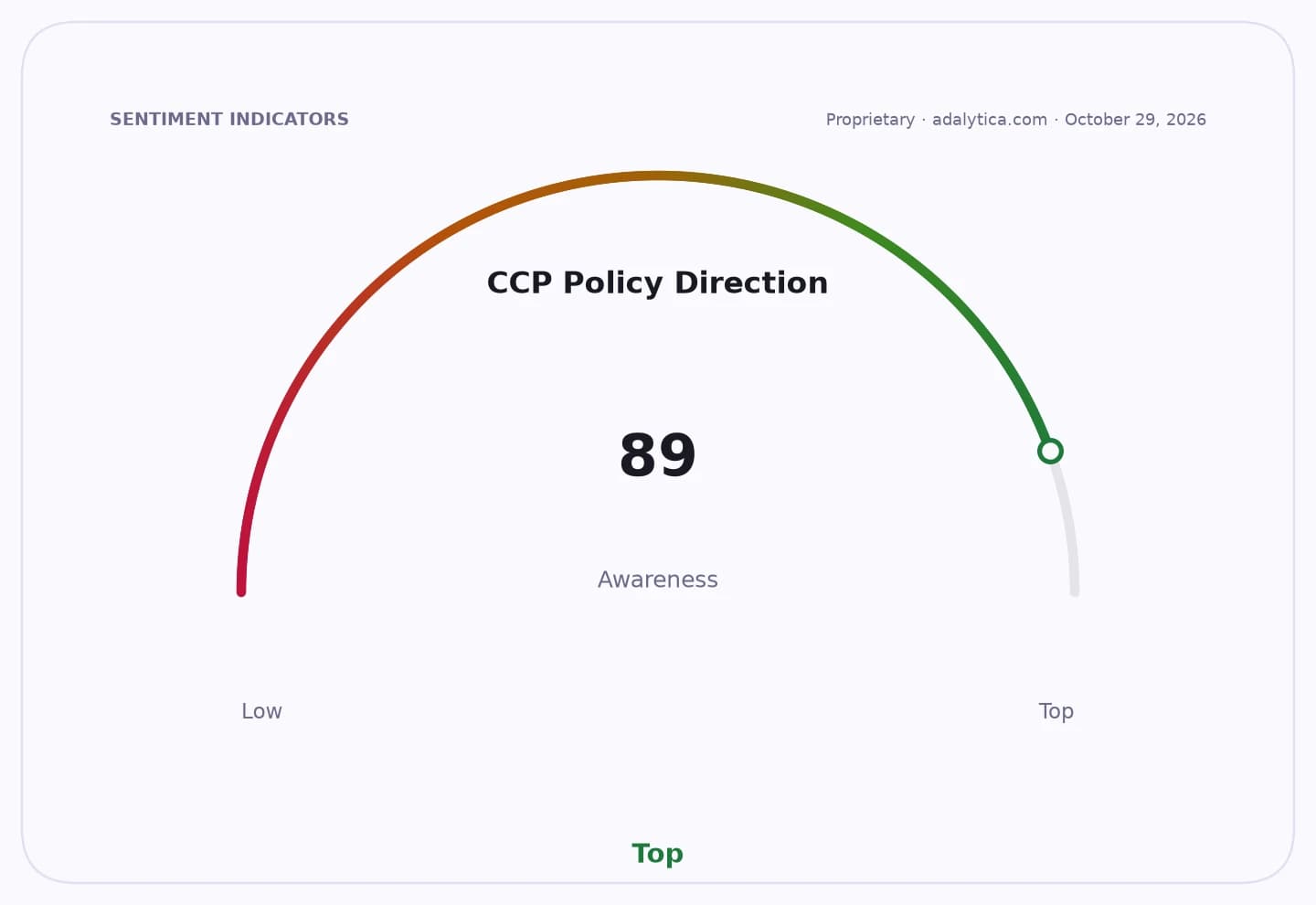
Sentiment Indicators
The product comes as the broader digital-social complex keeps leaning on AI to deepen retention. Snap has already added My AI and other experimental features, while Match Group continues to look for ways to revive engagement across Tinder and Hinge. For AppLovin, which has been expanding beyond ad tech into consumer products, Wink offers a way to test whether AI-driven personalization can create a more durable user loop than traditional dating and friendship apps.
The market backdrop is mixed. AppLovin shares have been volatile but remain elevated versus earlier lows, with the stock closing at $393.68 on Nov. 12 after trading as high as $404.77 the prior day. The shares sit below their recent highs and under the 200-day moving average of about $406.60, but above the 50-day average around $300, underscoring a stock that has rerated sharply while still facing pressure from momentum unwind risk. Match Group, by contrast, has recovered to $41.78 from an August dip near $37 and is trading just above its 50-day average, while Snap is hovering around $5.22 after a steep reset from earlier-year levels.
Investors are watching whether AI features can translate into higher engagement, better conversion and more efficient monetization across consumer apps that have struggled to sustain growth on their own. The main risk is that AI becomes a feature rather than a moat, especially if rivals can copy similar matching and messaging tools without having to build a full-scale social platform.
With AppLovin still tied to the advertising ecosystem and looking for new ways to extend its AI stack into consumer behavior, Wink’s traction will be a key test of whether AI can do more than polish an app — whether it can actually keep users coming back. The next catalyst is execution: downloads, retention and any sign that the product can turn novelty into recurring revenue.
| Entity | Gains | Losses |
|---|---|---|
| AppLovin | ▲Higher engagement potential | ▼Execution risk |
| Wink users | ▲Better matching tools | ▼Privacy concerns |
| Match Group | ▲AI adoption pressure | ▼User-share risk |
| Snap | ▲More validation for AI social features | ▼Competitive noise |