A sharpening scramble for Arctic and northern European iron ore is exposing how quickly steelmakers and miners are repositioning around secure, lower-risk supply at a time when commodity prices, rates and geopolitics are all moving against complacency.
Arctic Ore Gains Strategic Value for Europe
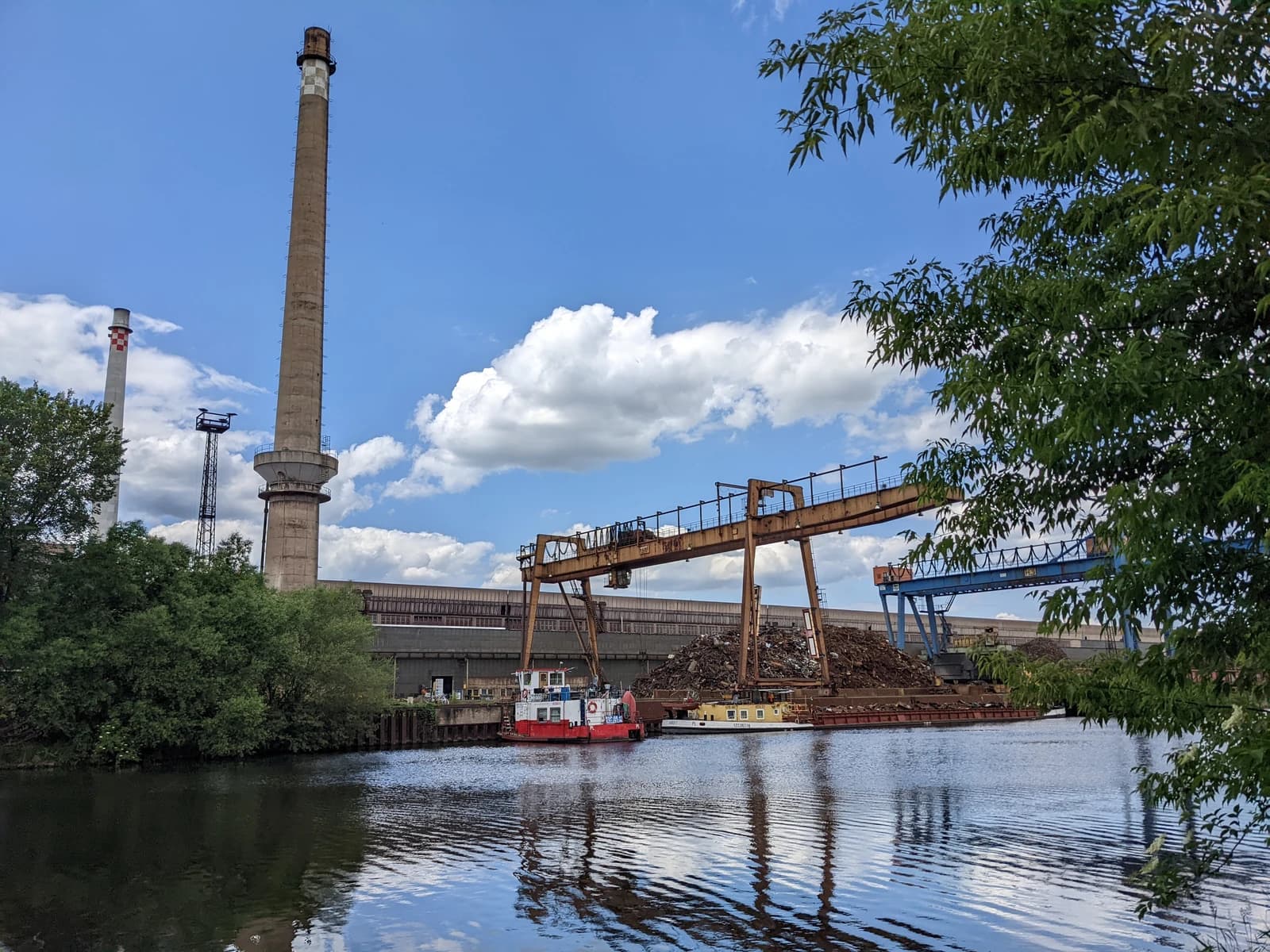
The immediate significance is that European steelmakers no longer appear willing to rely solely on long-distance bulk supply chains, especially for high-grade feedstock needed in lower-emission production. That makes the Arctic region strategically important rather than merely remote. For groups such as Rheinmetall, which needs steel for defense production, the issue is not just cost but supply assurance. For miners, it is about capturing a premium market that prizes proximity, reliability and specifications as much as tonnage.
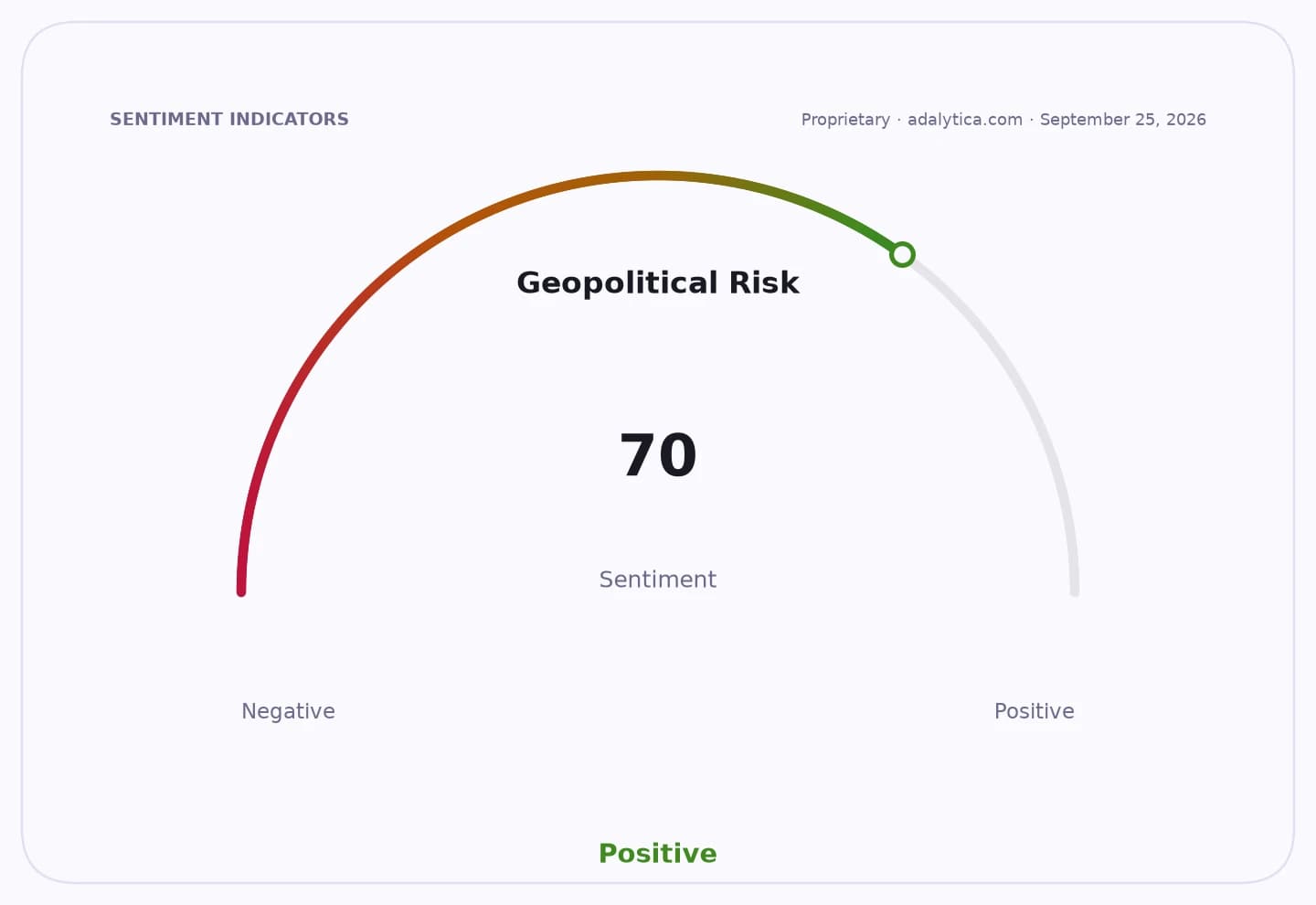
Sentiment IndicatorsⓘProprietary · adalytica.com · July 22, 2026
This is a snapshot — live sentiment, awareness and momentum for 130+ markets update continuously in the dashboard.Open AlphaPulse
The macro backdrop helps explain the urgency. Brent-like crude benchmarks have been volatile, with US oil around $78 a barrel in the latest forecast, while the US 10-year Treasury yield is holding near 4.6%, keeping financing costs elevated. Stronger dollar sentiment also complicates cross-border procurement. In that environment, shipping-intensive supply chains are more expensive to run and more vulnerable to disruption. Northern routes and regional sourcing become more attractive because they reduce transport risk and can shorten delivery times for industrial customers.
That is why Champion Iron’s push into Europe and Strategic Resources’ two Arctic projects matter beyond the mining sector. Champion has been building a case around high-quality ore and access to European buyers seeking dependable inputs for green steel. Strategic Resources, with projects in the far north, is trying to position itself as part of the same strategic map: not just another iron ore developer, but a potential supplier into a region where security of supply is becoming a procurement priority. The pitch is especially resonant for Europe, where policymakers and industrial buyers are increasingly linking decarbonization with domestic or nearby sourcing.
The market has already started to price in the strategic value of that narrative. Steel and mining shares have been resilient even as broader risk appetite has wobbled. ArcelorMittal’s stock has been trading well above its 200-day average, despite recent volatility, while BHP and Rio Tinto have also held up relative to the broader market. The pattern suggests investors are distinguishing between commodity names with pricing power and asset quality, and those more exposed to weaker demand or higher-cost logistics. In other words, not all ore is equal if the customer values certainty, quality and lower embedded emissions.
For Rheinmetall, the logic is different but connected. Defense manufacturing is increasingly a function of industrial resilience, and steel is a core input. If European and Arctic suppliers can provide steadier volumes with shorter lead times, that can help shield production from bottlenecks and political risk. That does not eliminate price sensitivity, but it shifts the procurement discussion toward resilience, which tends to favor higher-quality or regionally integrated suppliers.
The bull case for these Arctic-linked projects is clear: Europe needs secure raw materials, demand for defense and infrastructure is durable, and premium customers may pay up for low-risk supply. The bear case is that Arctic mining remains capital-intensive, politically sensitive and logistically difficult, with execution risk that can quickly erode margins if prices soften. A high-rate environment also makes project financing less forgiving. Investors will want to see whether these projects can secure offtake, permitting and infrastructure on terms that justify the strategic premium.
The next catalyst is whether European steelmakers and industrial buyers translate their interest in Arctic supply into binding contracts. If they do, the region could become one of the more important battlegrounds in the global iron ore market, with Champion Iron and Strategic Resources competing not just on geology but on geopolitics, transport economics and carbon credentials.
| Entity | Gains | Losses |
|---|---|---|
| Champion Iron | ▲European market access | ▼Long-haul shipping dependence |
| Strategic Resources | ▲Strategic Arctic positioning | ▼Execution and financing risk |
| Rheinmetall | ▲More secure steel supply | ▼Exposure to supply-chain disruption |
| Global incumbents | ▲Pricing discipline | ▼Share of nearshore demand |