Argentina’s central bank lost more than $1 billion on derivatives tied to its gold reserves in 2025, and the episode is now becoming a test of reserve management, transparency and political credibility.
Argentina Central Bank Gold Hedge Loss

That matters because gold is not just another portfolio asset for a central bank stretched by repeated currency stress. It is the hard reserve that underpins confidence in a country where every dollar matters, every policy mistake is amplified and every opaque operation can quickly turn into a market rumor. The Bank for International Settlements and major global banks may have been involved in the mechanics, but the economic damage is local: the Banco Central de la República Argentina said the hedge was meant to protect the metal from a price decline, yet the AGN audit found a $1.023 billion loss as gold surged instead.
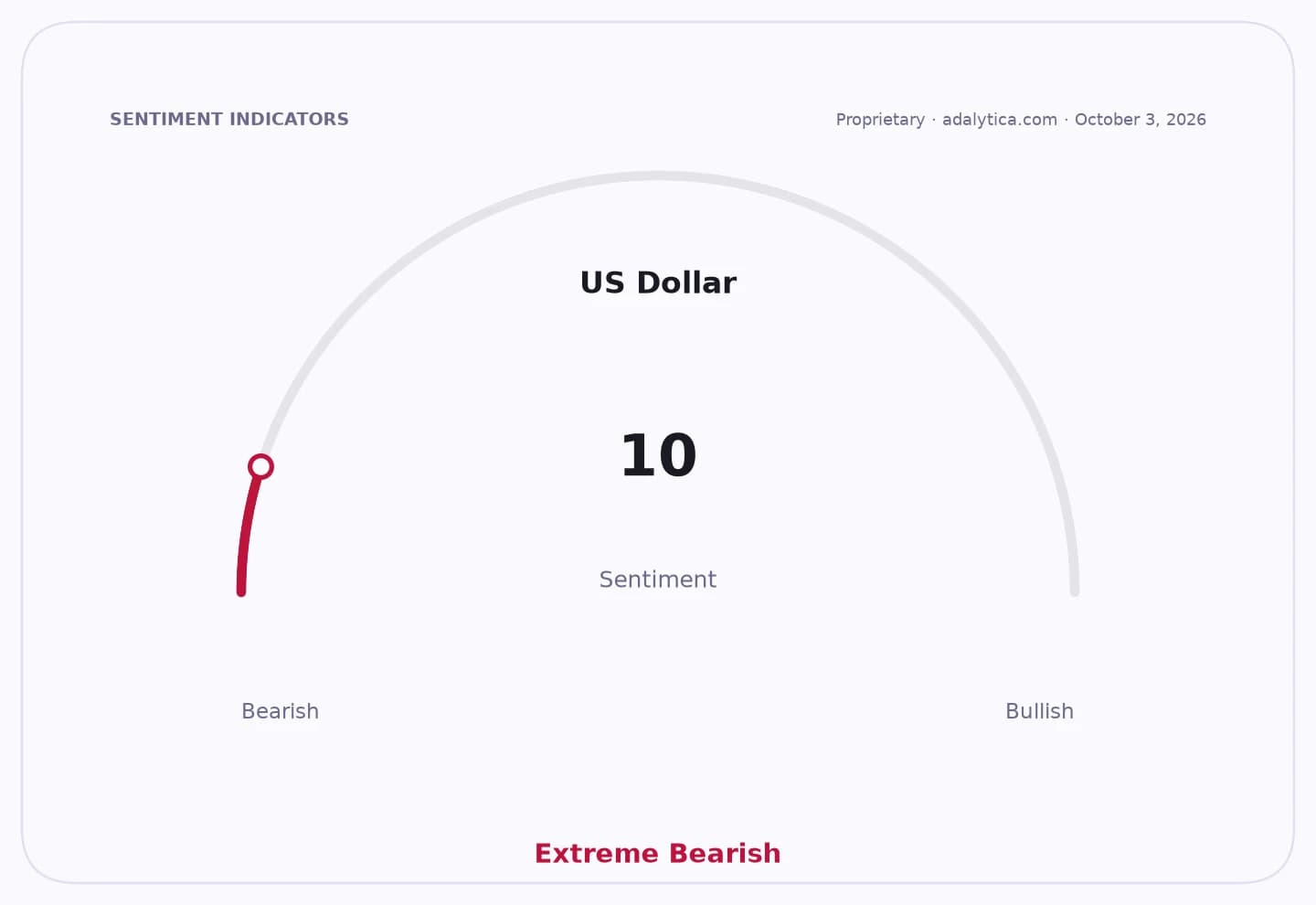
Sentiment IndicatorsⓘProprietary · adalytica.com · October 21, 2026
This is a snapshot — live sentiment, awareness and momentum for 130+ markets update continuously in the dashboard.Open AlphaPulse
In reserve terms, the loss is large. Argentina says it holds about 60 metric tons of gold, worth roughly $8 billion, which means the hedge loss equaled about 12.5% of the gold stock. That is not a rounding error; it is a material hit to the balance-sheet buffer that the central bank depends on to reassure markets and support the peso. When a central bank burns that much value trying to manage one of its safest assets, investors naturally ask whether the institution is defending reserves or speculating with them.
The timing makes the controversy worse. Gold spent 2025 in a powerful uptrend as geopolitical tension, trade uncertainty and central-bank buying lifted demand across the globe. Gold futures rose sharply and the SPDR Gold Trust remained well bid even after a recent pullback, while conventional technical measures such as the 50-day moving average and RSI on gold-linked instruments showed the metal had spent much of the year in a strong trend before the latest consolidation. In other words, this was not a market where betting aggressively on lower gold prices looked like a conservative call.
That is why the argument over whether the operation was a hedge, a collar or an outright directional bet matters so much. If the central bank sold a call to finance downside protection, as some analysts say, then it effectively capped upside just as gold was entering a multi-month rally. If it kept layering on smaller trades to defend the position, as others suspect, then the loss speaks to poor execution at best and a serious governance failure at worst. Either way, the market is left with the same problem: the institution has not fully disclosed the structure, counterparties or exit points.
For investors, the bigger lesson is about Argentina’s policy risk premium. The country is already a high-beta trade on the peso, sovereign spreads and capital controls. Add uncertainty over the treatment of gold reserves — including questions about whether bullion was moved abroad and how it may be pledged — and the credibility discount widens. That is bearish for local assets, negative for the currency and another reminder that Argentina’s balance sheet cannot be analyzed the way investors would examine a normal emerging market.
The political fallout also matters. The dispute has revived scrutiny of Economy Minister Luis Caputo and the central bank’s handling of the metal, while the public clash with critics has only deepened skepticism. Markets tend to forgive losses when the rules are clear. They do not forgive hidden risks around reserves, especially when those reserves are supposed to be the last line of defense.
Our thesis is simple: this is not just a story about gold. It is a story about how fragile reserve management can become when a central bank starts treating its hard assets like a trading book. In a world where gold remains a global hedge against instability, Argentina’s mistake should make investors even more selective about governments that promise stability while quietly taking duration and commodity risk. The next catalyst will be disclosure — or the lack of it — and that will shape whether this remains a political scandal or becomes a lasting mark on Argentina’s sovereign risk premium.
| Entity | Gains | Losses |
|---|---|---|
| Gold bulls | ▲Higher safe-haven demand | ▼None from the hedge loss |
| Argentina Central Bank | ▲Temporary price protection narrative | ▼$1.023B hedge loss |
| Peso and sovereign creditors | ▲Potentially stronger reserve discipline if clarified | ▼Credibility and reserve confidence |
| Counterparties to the hedge | ▲Fees and trading gains | ▼None disclosed |