More Argentine families are relying on credit to make ends meet, a sign that easing inflation has not yet translated into real relief for households squeezed by stubbornly high prices, weak wages and tighter access to cash.
Argentine Consumer Credit Masks Household Strain

The development matters because consumer borrowing in Argentina is increasingly filling the gap left by income that still fails to keep pace with basic living costs. Even with inflation far below the peaks that shook the economy in recent years, the price level remains elevated, and families are using debt to finance food, utilities and other essentials rather than discretionary purchases. That shifts the burden of adjustment from monthly spending to future repayment, raising the risk of missed payments and deeper stress in household balance sheets.
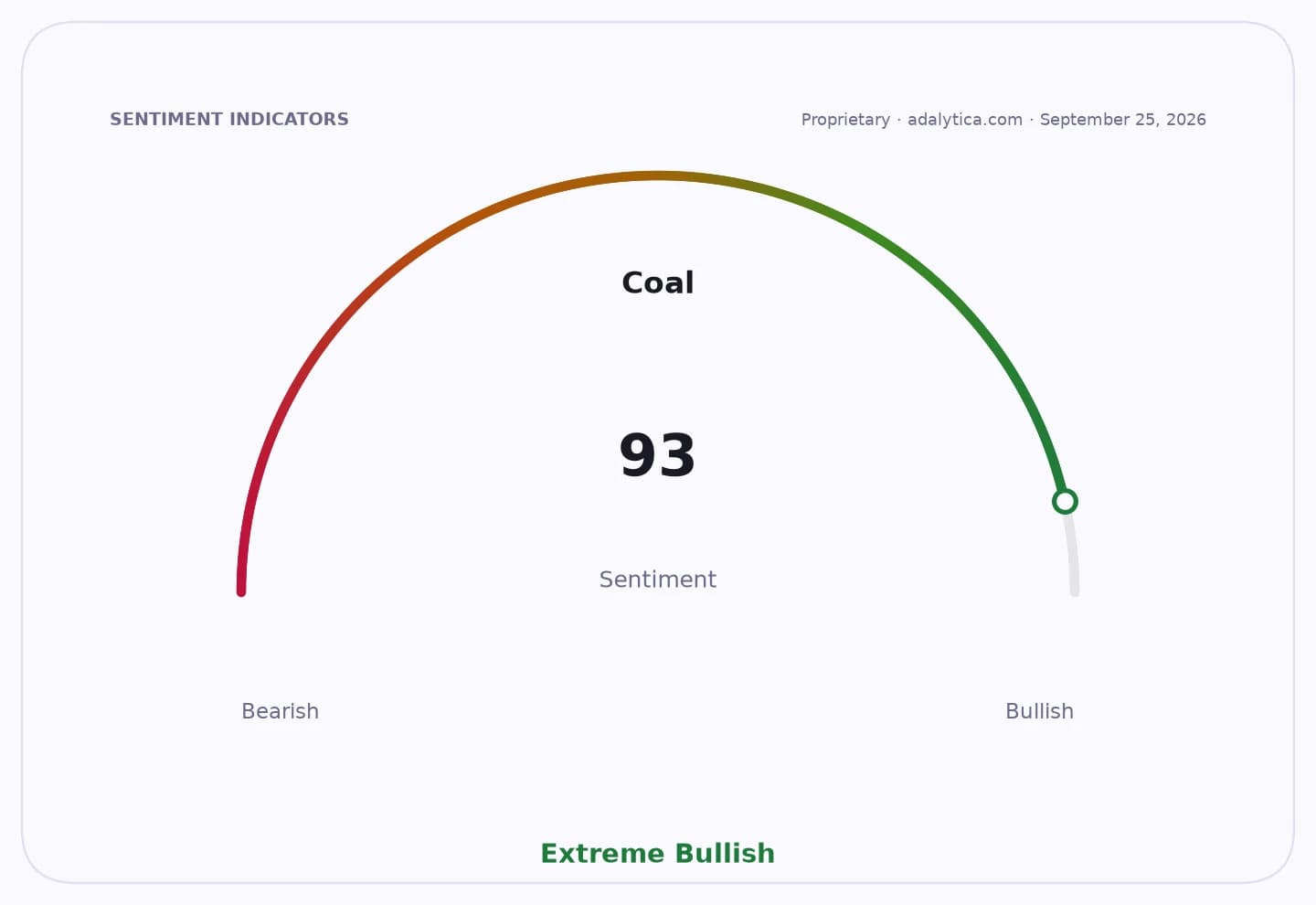
Sentiment IndicatorsⓘProprietary · adalytica.com · July 24, 2026
This is a snapshot — live sentiment, awareness and momentum for 130+ markets update continuously in the dashboard.Open AlphaPulse
The latest macro backdrop helps explain why. Argentina’s consumer-price index has risen to 332.6 from 332.4 in the previous reading, with the next monthly print forecast to edge higher again. Annual inflation is no longer in crisis territory, but the cumulative damage remains severe, particularly for lower- and middle-income households that had already spent years losing purchasing power. Unemployment, at 4.2%, is low by historical standards, yet that has not been enough to restore consumption strength or prevent a widening reliance on installment plans and revolving credit.
For banks, the trend is a mixed blessing. Credit demand supports loan growth and fee income, but it also increases exposure to households whose repayment capacity is being stretched by persistent real-economy weakness. Buenos Aires lenders including Banco Macro, Grupo Financiero Galicia and Grupo Supervielle have all been trading as investors weigh the upside from stronger nominal activity against the downside of rising household stress and the risk that delinquency rates climb if wage gains continue to lag prices. The sector has already lived through repeated swings tied to Argentina’s volatile macro cycle, and consumer lending is likely to remain one of the most sensitive pressure points.
The broader investment narrative is that Argentina is moving from an inflation shock toward a solvency and affordability problem. That is usually a slower-burning but more durable drag on demand, because households can defer some spending, but they cannot indefinitely borrow to cover necessities. If inflation continues to decelerate while wages recover only gradually, credit usage may normalize. If not, the current surge in borrowing could become a warning signal that a large part of the consumer base is already living on borrowed time.
| Entity | Gains | Losses |
|---|---|---|
| Banks | ▲Higher loan volumes | ▼Rising credit risk |
| Households with access to credit | ▲Short-term spending power | ▼Heavier debt burdens |
| Cash-strapped consumers | ▲Ability to cover essentials | ▼Future disposable income |
| Lenders to Argentina’s consumer sector | ▲Nominal growth in assets | ▼Delinquency pressure |