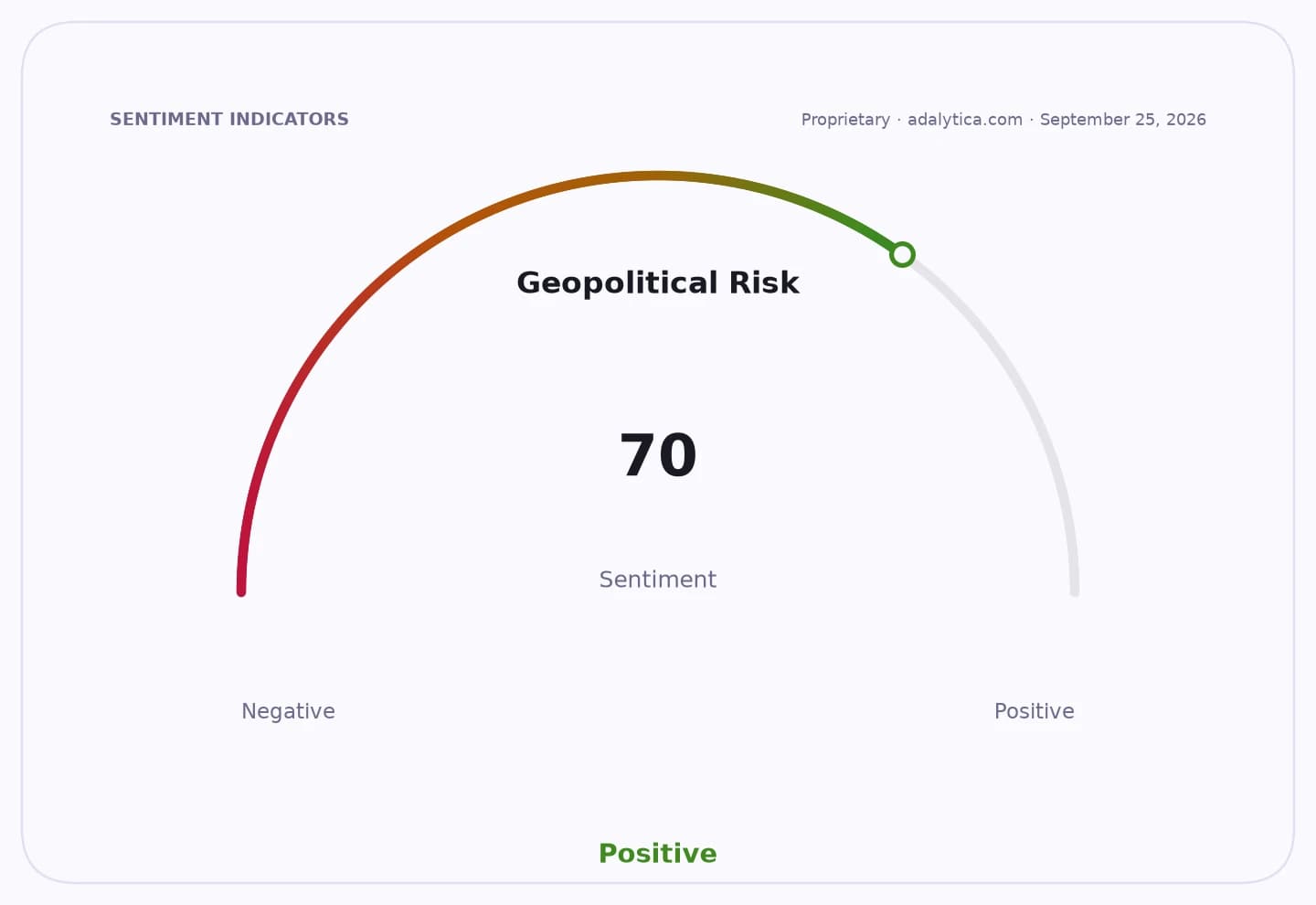
One in three Argentines can no longer pay their loans, a debt alarm that signals the country’s fragile consumer recovery is breaking down just as lenders are being forced to navigate rising credit stress and a volatile macro backdrop.
Argentina delinquency weighs on bank equities
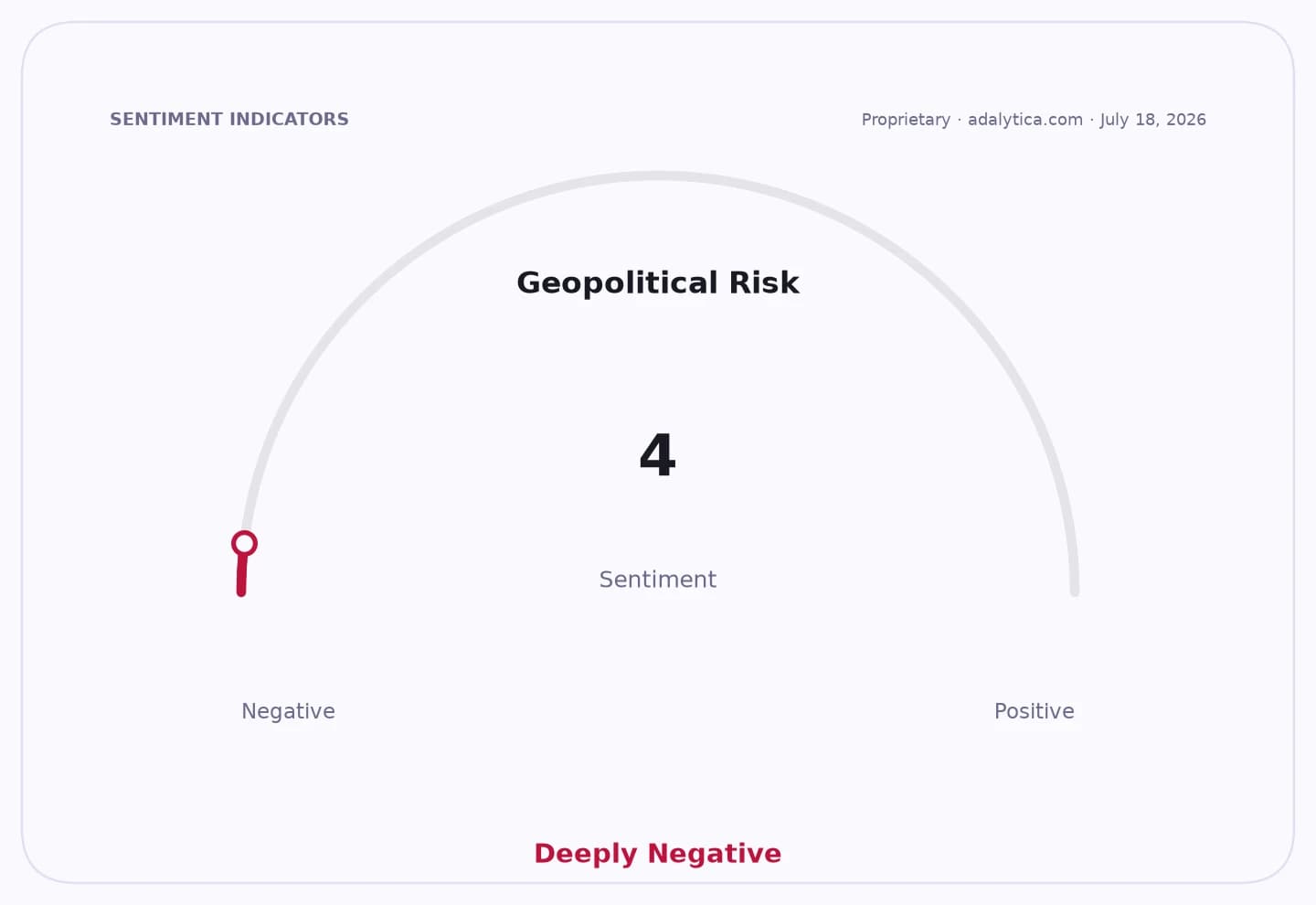
That matters because household delinquency is not just a social problem in Argentina; it is a transmission mechanism for the broader economy. When borrowers stop paying, banks tighten credit, retailers lose financing demand, and the consumer slowdown feeds back into growth, tax receipts and confidence. In a country where inflation, currency weakness and policy swings already distort credit behavior, a jump in missed payments can quickly become a funding and capital-markets story.
The banking tape is already telling that story. Banco Galicia, Grupo Financiero Galicia’s U.S.-listed shares, have been volatile but remain well above their spring lows, while Banco Macro and BBVA Argentina have also seen sharp swings as investors try to price both a rebound in margins and the risk of bad loans. Recent filings from BBVA Argentina said commercial delinquency has worsened, albeit modestly, and that the bank’s coverage ratio on non-performing loans was 88.41% in the first quarter, a reminder that lenders are still provisioned but no longer operating in a benign credit environment.
Market indicators point to a sector that is still digesting that tension. GGAL has rallied hard from its lows, but its most recent trading showed momentum cooling, with the stock still above its 50-day and 200-day moving averages yet slipping as the relative strength index eased from overbought territory. BMA and BBAR have had similar boom-bust patterns, underscoring how quickly sentiment can swing when Argentine credit quality is questioned. Investors are effectively being asked to choose between earnings leverage from a normalization in Argentina and the possibility that consumer stress will cap loan growth, raise provisions and compress returns.
The bigger narrative is that Argentina’s policy reset has not yet repaired household balance sheets. Debt distress at this scale suggests that any improvement in headline macro data may be masking a more brittle private sector underneath. For banks, that can mean stronger spreads but weaker volumes; for equity holders, it means the winners will be the institutions with the best underwriting, the most disciplined provisioning and the cleanest funding profiles.
I believe the market is still underestimating how asymmetric this setup has become. If delinquency keeps rising, consumer lenders and banks exposed to unsecured retail credit will feel the pressure first. If stability returns, the same names can re-rate sharply because Argentine financial stocks still trade like leveraged call options on macro normalization. For now, the prudent move is to favor the strongest banks and stay selective on any consumer-credit exposure until loan repayment trends stop deteriorating.
| Entity | Gains | Losses |
|---|---|---|
| Stronger banks | ▲Wider spreads, share re-rating | ▼Higher provisions risk |
| Household borrowers | ▲Debt relief, potential restructuring | ▼Credit cutoff, penalties |
| Retail lenders | ▲Short-term yield on new loans | ▼Rising defaults |
| Argentina economy | ▲Policy pressure for reform | ▼Slower consumption, weaker growth |