Argentina’s fight over the Falkland Islands is moving from symbolism to economic pressure, with President Javier Milei saying his government’s tougher stance on companies working in the archipelago was planned before his Sept. 3 national broadcast and was not an election-season stunt.
Argentina Falklands sanctions target oil firms

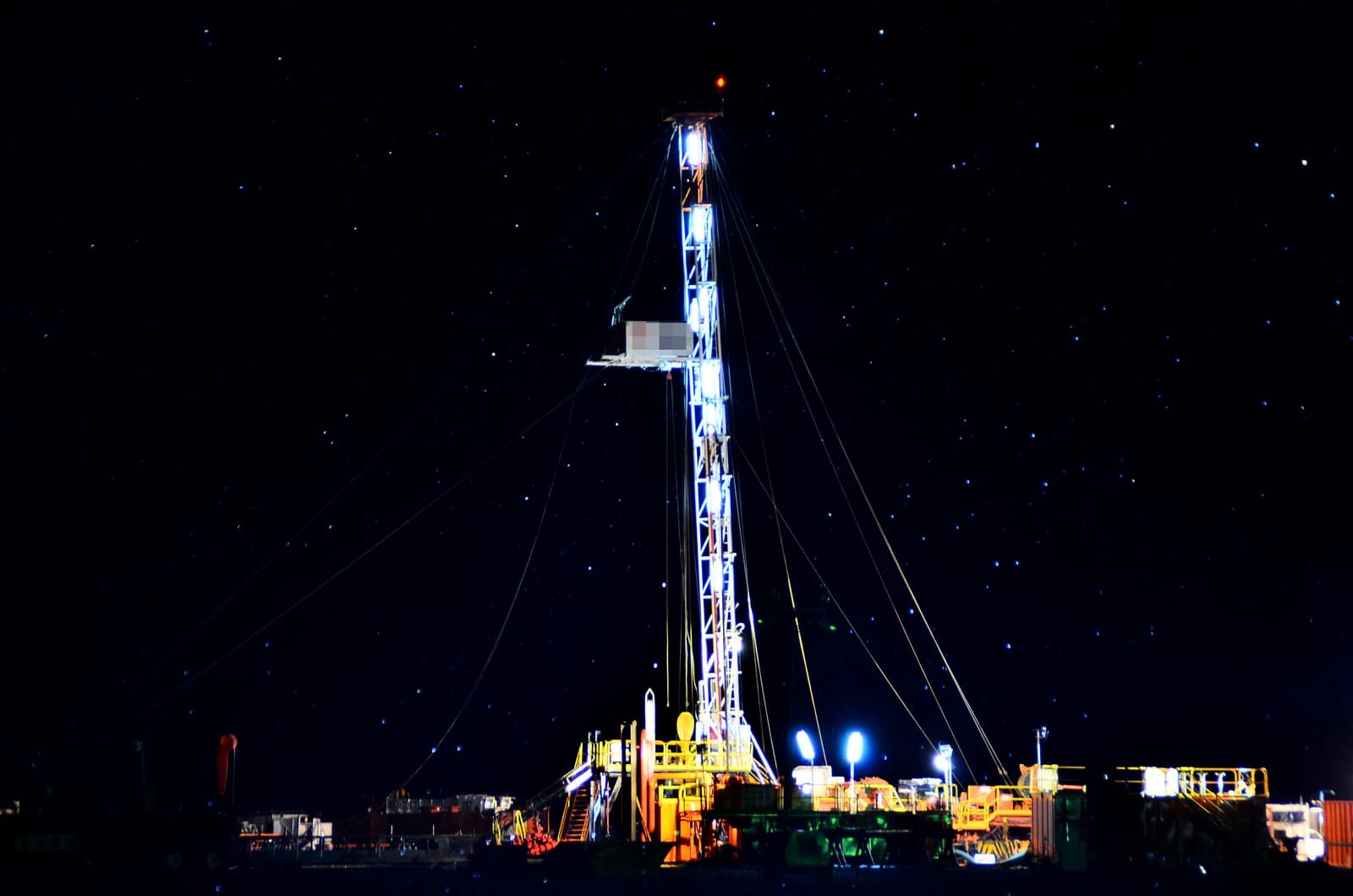
That matters because the dispute is no longer just a diplomatic ritual. Milei is trying to use Argentina’s energy and investment policy to raise the cost of doing business in the islands, forcing oil and services companies to weigh exposure to a disputed offshore basin against opportunities in mainland Argentina, including Vaca Muerta and projects backed by the country’s investment regime. The UK, for its part, has responded by openly supporting firms operating in the Falklands, underscoring that the row can now affect capital allocation, licensing risk and regional energy strategy.
In an interview with the streaming channel Neura, Milei said the cabinet decided on the tougher measures at a Monday meeting before he announced them on Sept. 3, and denied the move was designed for electoral gain. He argued that comments by US President Donald Trump on Aug. 31, saying Washington was reviewing its position on the Malvinas issue, helped accelerate the timing, but said the underlying policy had been in the works for years.
Argentina’s approach is to tighten sanctions against companies and executives involved in hydrocarbon activity around the islands without Argentine authorization. Milei said the goal is to pressure firms to choose between participating in offshore projects near the Falklands or pursuing ventures in Argentina, where the government is trying to lure capital into energy, oil, gas and minerals.
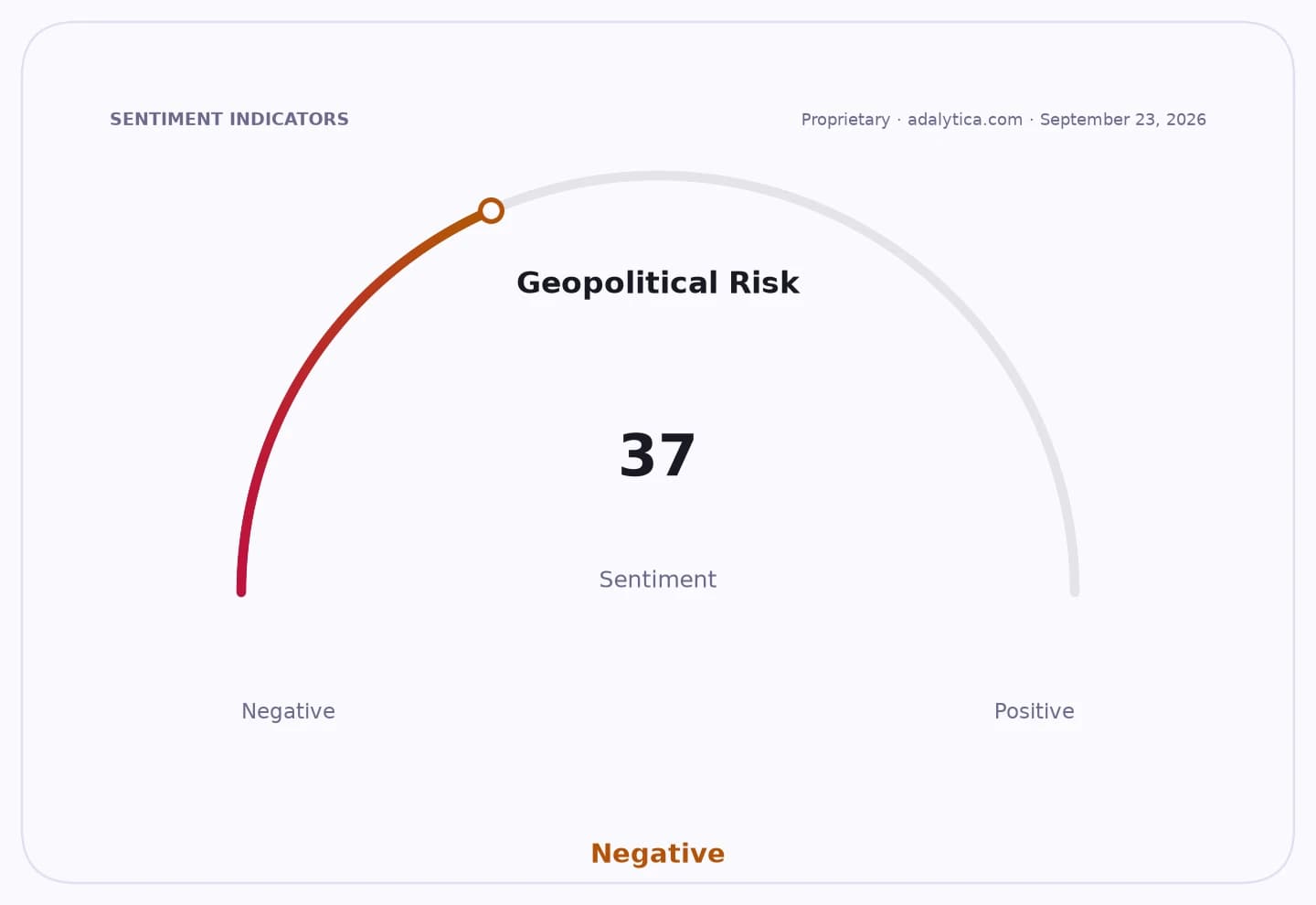
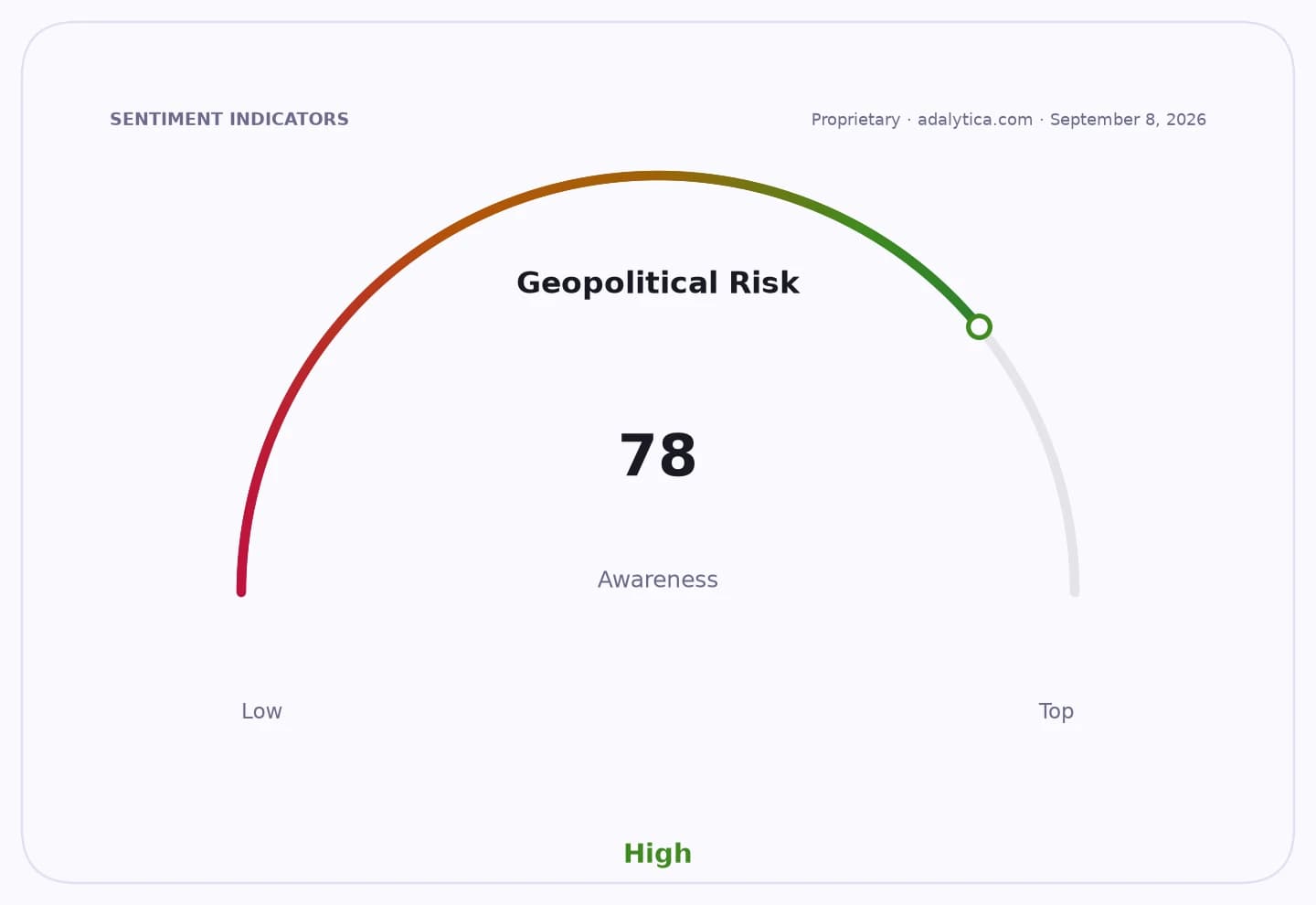
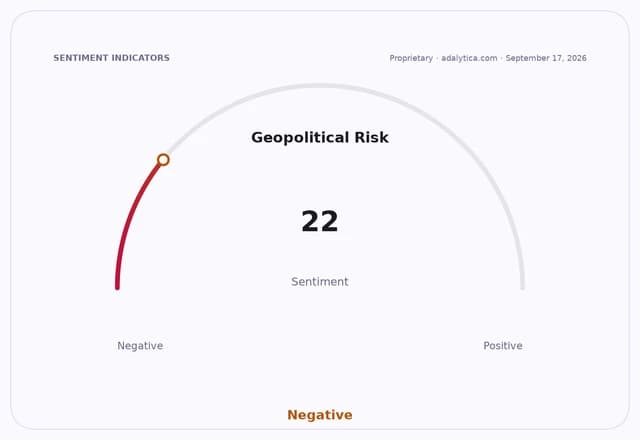
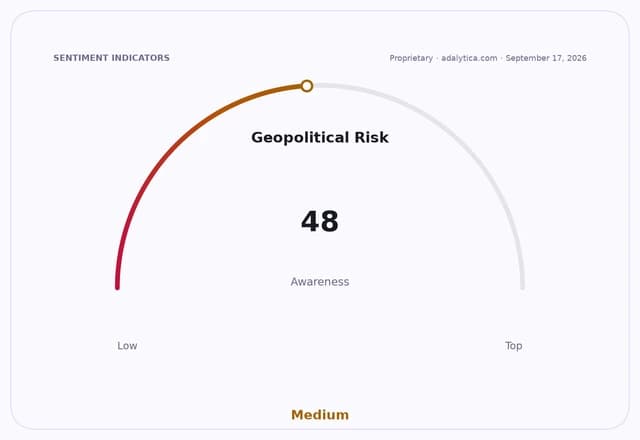
Geopolitical Risk — 30-day sentimentadalytica.com
Explore this data interactively — full history, time series and cross-market comparisons.Open AlphaPulse
That framing is economically significant because it links a sovereignty dispute to the country’s broader investment pitch. Milei has made Vaca Muerta and the Rigi incentive scheme central to his effort to attract foreign capital, and the government is effectively telling energy firms that mainland Argentina offers a more stable and potentially more lucrative long-term proposition than disputed frontier projects.
For investors, the immediate issue is not just geopolitical noise. It is regulatory and legal risk. Companies with exposure to Falklands exploration could face greater compliance costs, reputational pressure and a harder operating environment if Buenos Aires expands sanctions or pursues criminal complaints. The UK’s backing of operators also suggests the dispute could become more entrenched, reducing the odds of a quick settlement and keeping a premium on assets tied to the South Atlantic basin.
The broader market implication is that the dispute sits at the intersection of energy security and geopolitical competition. Argentina is using its own energy endowment as leverage, while the UK is signaling that it will defend commercial activity in the islands. That raises the stakes for offshore explorers, suppliers and insurers, even if the direct financial impact remains limited for now.
The near-term question is whether Milei follows rhetoric with enforcement and whether companies with regional exposure change investment plans. If the government hardens restrictions, the Falklands could become a test case for how far Argentina is willing to use industrial policy and sovereign claims as bargaining tools in the energy sector.
| Entity | Gains | Losses |
|---|---|---|
| Argentine government | ▲Sovereignty leverage | ▼Investor confidence risk |
| UK-backed operators | ▲Political support | ▼Higher legal exposure |
| Vaca Muerta / Rigi projects | ▲Relative attractiveness | ▼None from offshore rivals |
| Falklands oil firms | ▲Short-term continuity | ▼Sanctions and reputational pressure |