Buenos Aires consumers faced another jump in basic food prices in October, with the city’s free-market food basket rising 1.97% and leaving the year-to-date increase at 27.88%, a fresh signal that Argentina’s inflation fight is far from over.
Argentina food prices rise 1.97% in Buenos Aires
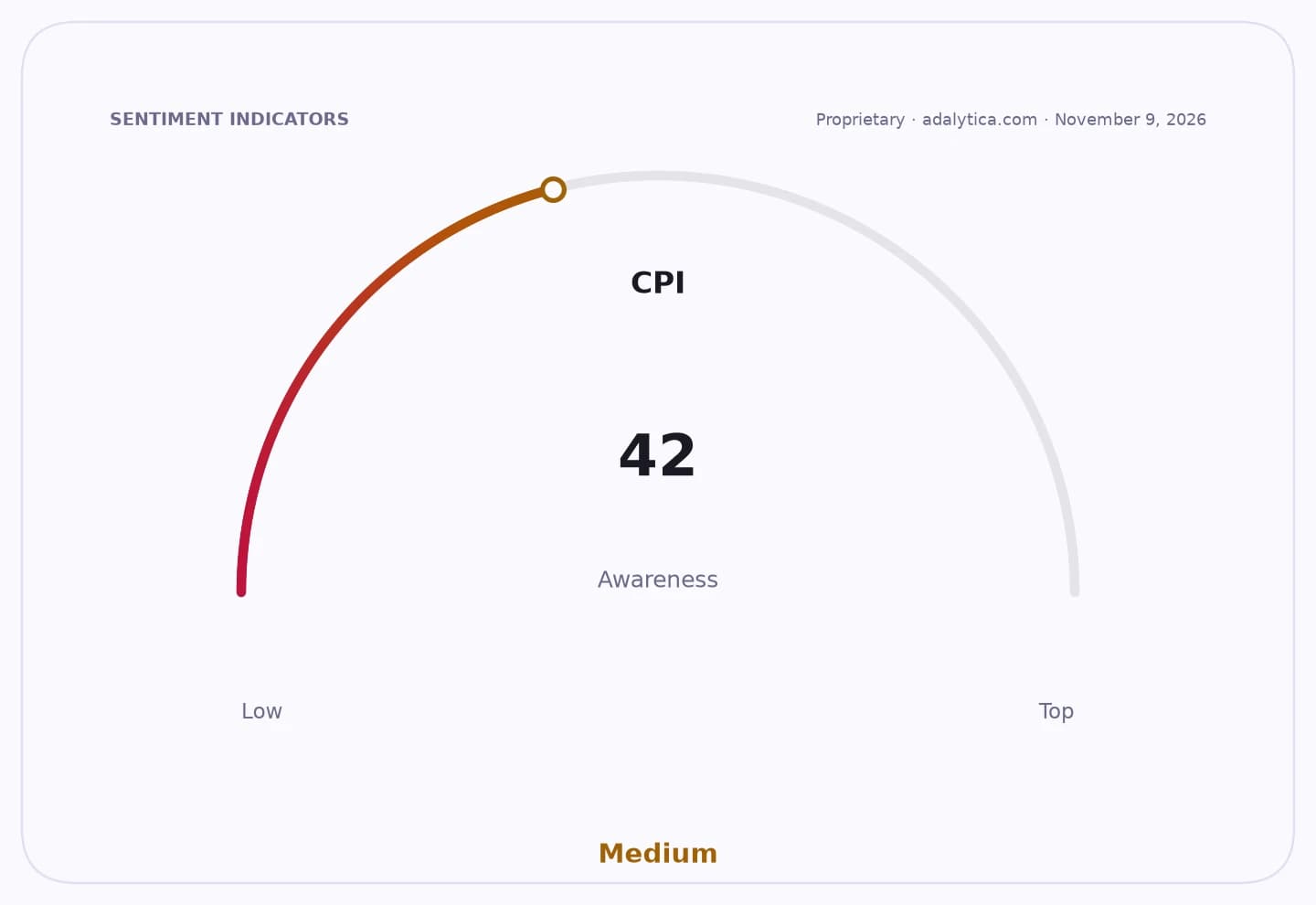
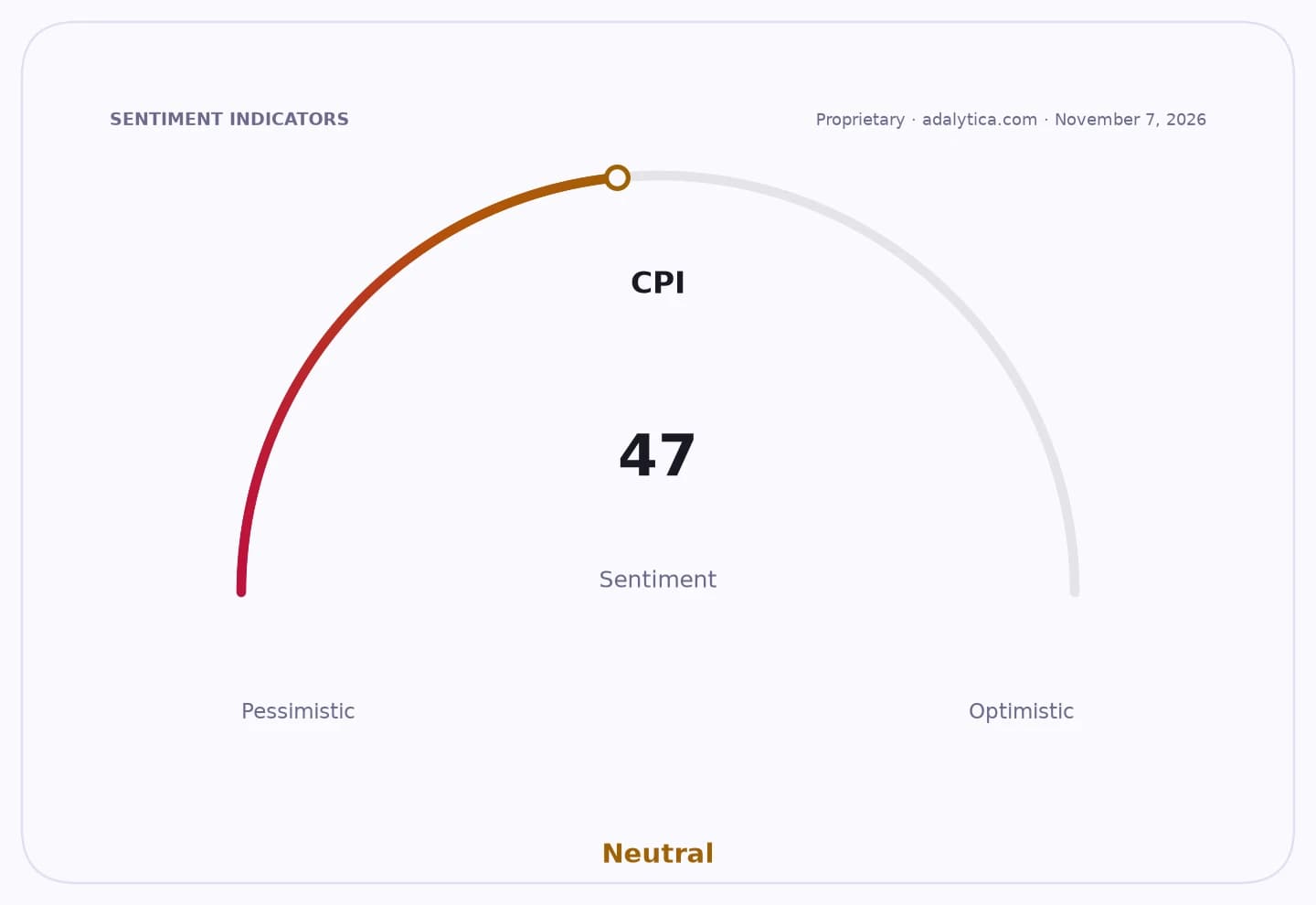
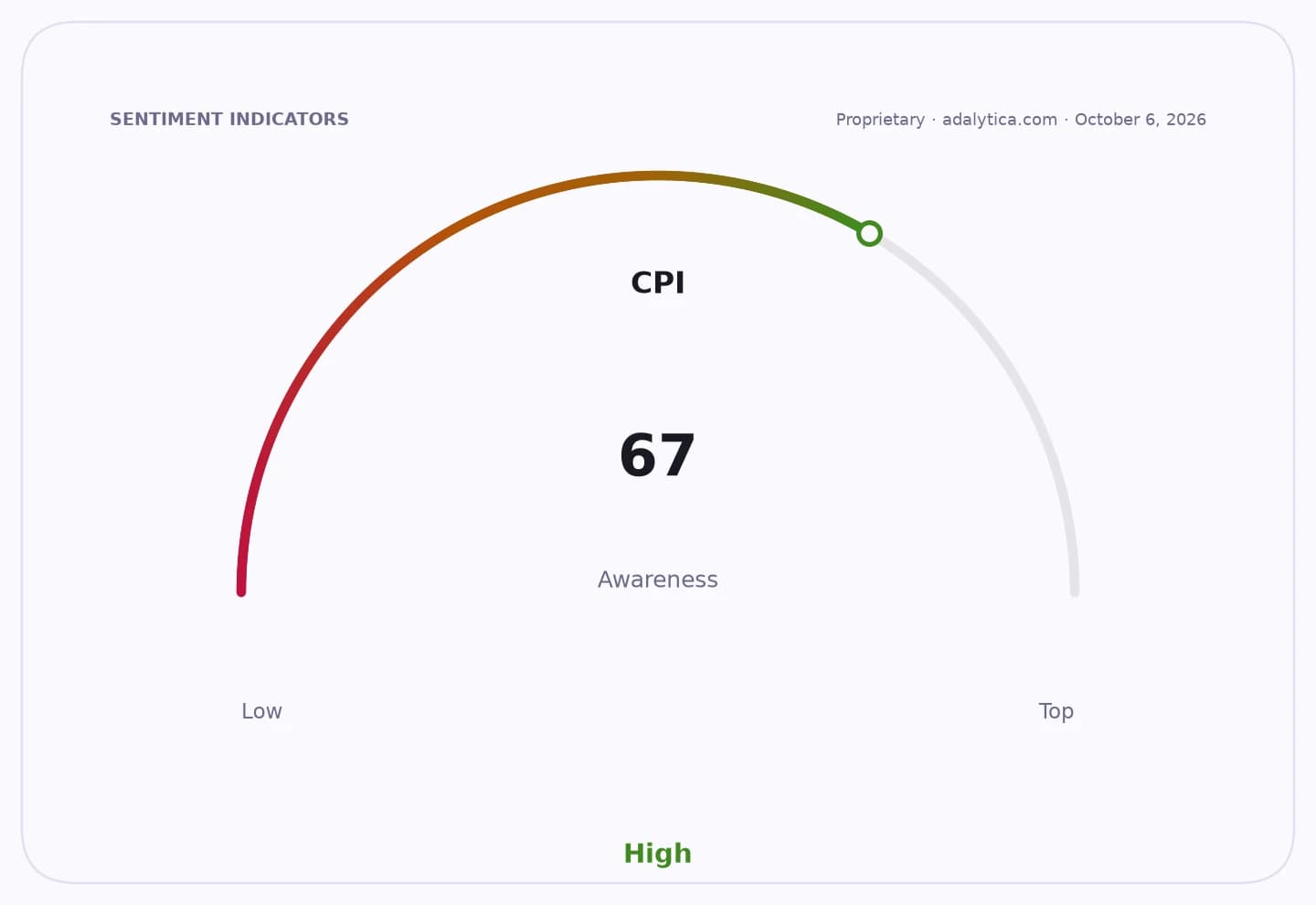
Consumer Confidence
The reading matters because it lands ahead of the official October consumer price index from INDEC, due Nov. 12, and offers an early gauge of how much pressure is still building in mass-consumption goods. For policymakers, investors and households, the key issue is whether food inflation is reaccelerating after months of uneven relief.
Sentiment Indicators
The survey by Consumidores Libres tracks 21 staple products in supermarkets and neighborhood stores in Buenos Aires, giving a snapshot of price dynamics in one of the country’s most important consumer markets. While it does not match the national basket exactly, it often points to broader trends in the cost of living, especially in products that feed directly into headline inflation expectations.
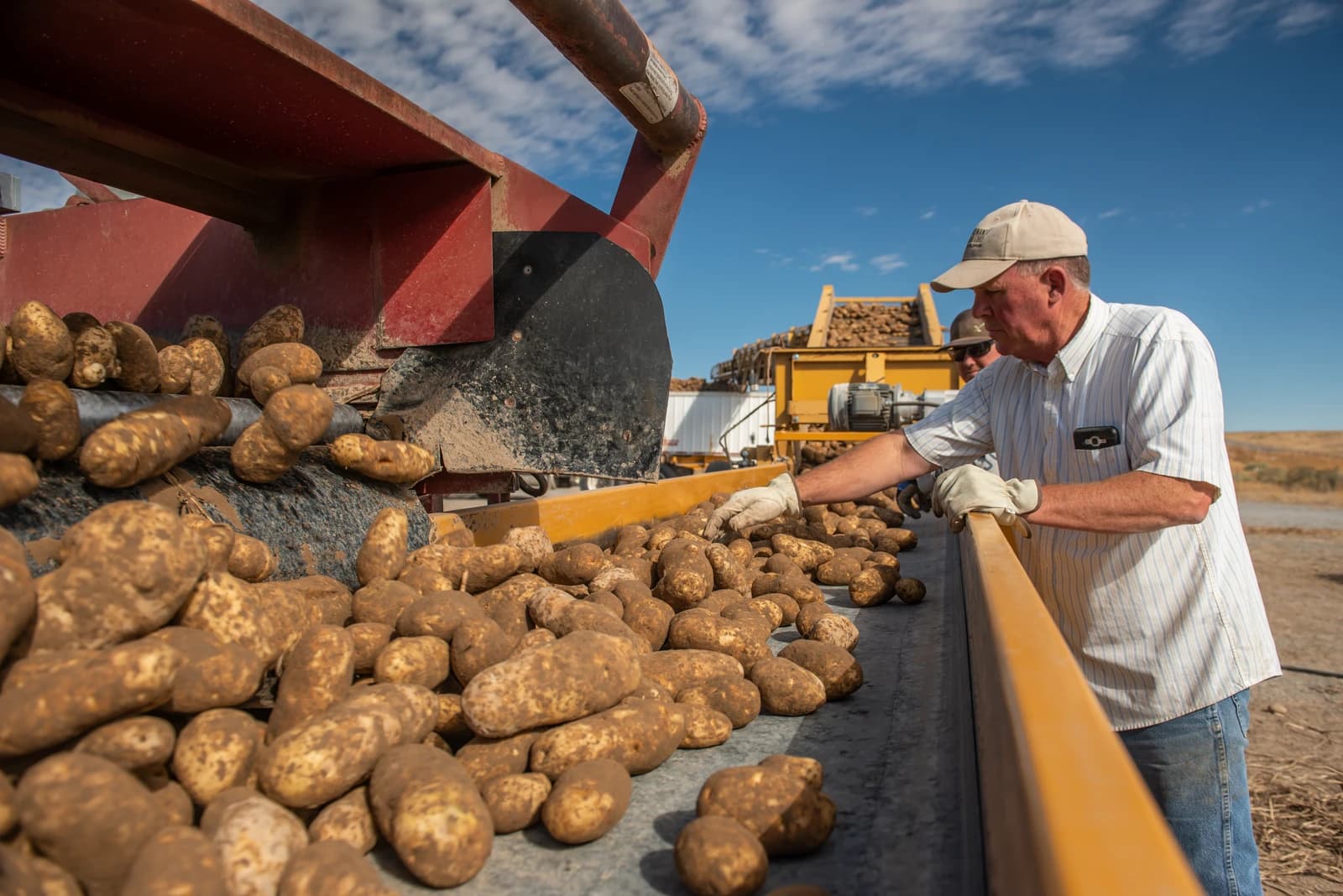
Food inflation was driven mainly by fresh produce, which climbed 6.08% on average in October. Potatoes rose 17.86% per kilo, while pantry goods increased 1.35%, led by fresh bread and sugar. Meat posted a smaller 0.98% gain, though all four cuts measured still moved higher.
The numbers add to concern that Argentina’s disinflation process remains fragile, particularly because food carries a heavy weight in household spending and tends to feed quickly into transport, wages and retail pricing. Even if the city survey does not predict the national CPI exactly, another firm reading on staples would strengthen the case that inflation momentum is rebuilding.
For investors, the data matters because it shapes expectations for real wages, consumption, monetary policy and the path of local assets. A hotter-than-expected official CPI would likely reinforce pressure on the government to maintain tight policy and could complicate the outlook for consumer demand and inflation-linked instruments.
The next major test comes with INDEC’s October CPI release, which will show whether the October food surge in Buenos Aires was an isolated local move or part of a broader price upswing across Argentina.
| Entity | Gains | Losses |
|---|---|---|
| Food retailers | ▲higher nominal sales | ▼households' purchasing power |
| Food producers | ▲pricing power | ▼consumer demand |
| Argentine government | ▲early warning on inflation | ▼credibility if CPI runs hot |
| Consumers in Buenos Aires | ▲none | ▼higher cost of living |