Argentina’s long weekend travel boom still moved 1.41 million people, but spending collapsed 30.3% in real terms from a year earlier as households cut back on nights away, daily outlays and long-distance trips.
Argentina holiday travel spending falls 30.3%
The Confederation of Medium-Sized Businesses, or CAME, said total tourist spending reached 332.6 billion pesos, with average daily outlays of 118,770 pesos per traveler, down 3.1% in real terms year on year. Traveler numbers fell 17.4%, a drop CAME partly attributed to the holiday being three days long this year versus four in 2025 and to last year’s exceptional calendar boosted by the Pope’s visit.
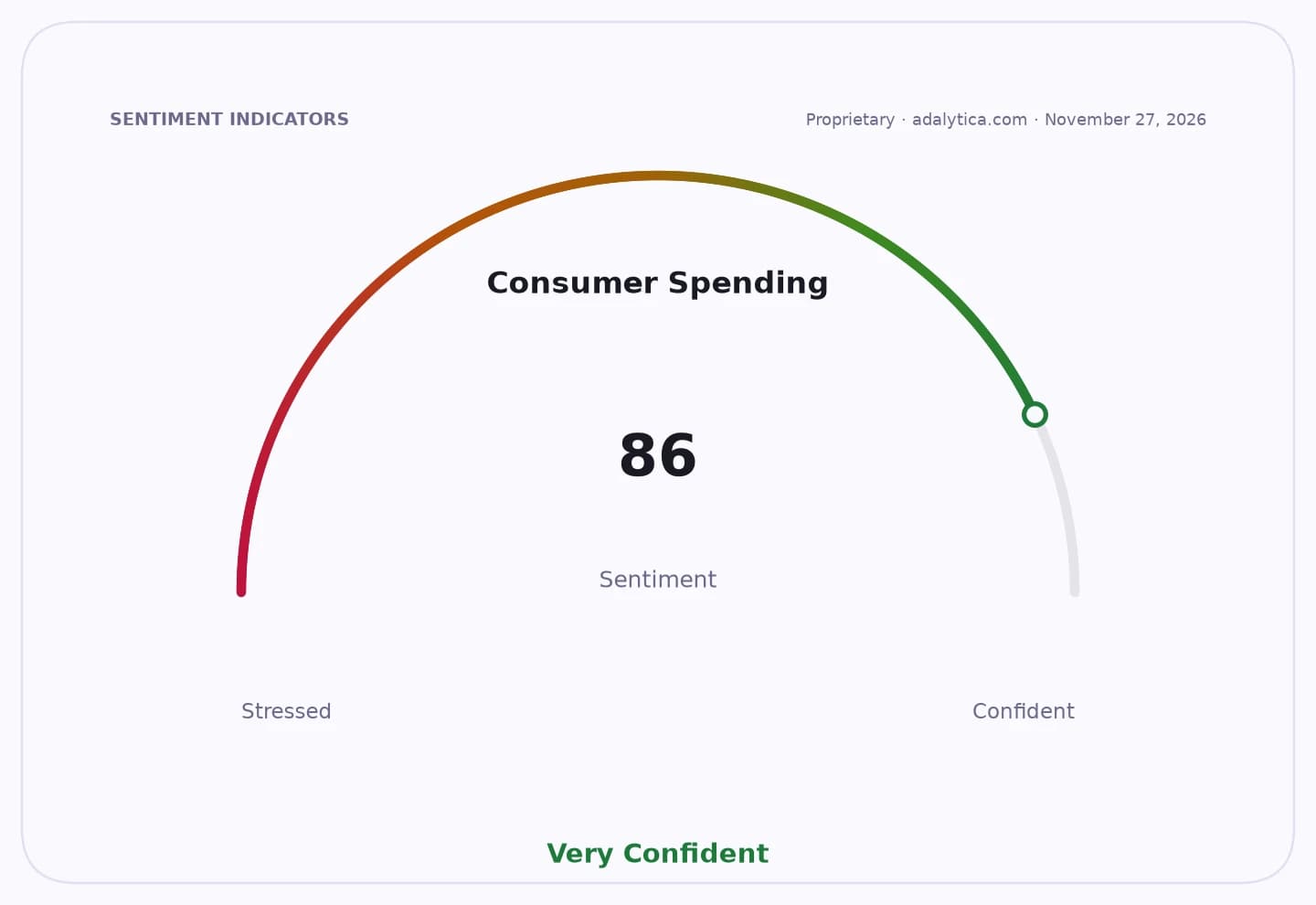
Sentiment Indicators
The message for Argentina’s consumer economy is clear: people are still traveling, but they are trading down. Nearby destinations, traditional resorts and free outdoor events drove the holiday, while excursions without overnight stays helped support restaurants, shops and recreation in smaller towns.
The average stay was two days, longer than the 1.8 days seen over the October 12 holiday but shorter than the 2.3 days recorded in November 2025. That shorter duration, combined with tighter disposable income, pushed demand toward low-cost options and left some destinations reliant on event-driven traffic rather than broad-based tourism spending.
For investors, the spending contraction underscores pressure on Argentina’s consumer-facing sectors, especially hotels, restaurants, transport and regional leisure operators tied to discretionary demand. A holiday that still drew large crowds but generated materially less cash points to a fragile domestic recovery and a household budget that remains under strain.
CAME said the challenge for tourist destinations is not just attracting visitors, but getting them to stay longer and spend more. The next test will be whether upcoming holiday periods and the summer season can reverse the pullback in real consumption or confirm a trend toward shorter, cheaper domestic trips.
| Entity | Gains | Losses |
|---|---|---|
| Nearby destinations | ▲Higher foot traffic | ▼Lower per-trip spending |
| Free outdoor events | ▲More attendance | ▼Monetized attractions |
| Restaurants and shops in smaller towns | ▲Day-trip sales | ▼Overnight tourism revenue |
| Hotels and travel operators | ▲— | ▼Shorter stays, weaker demand |