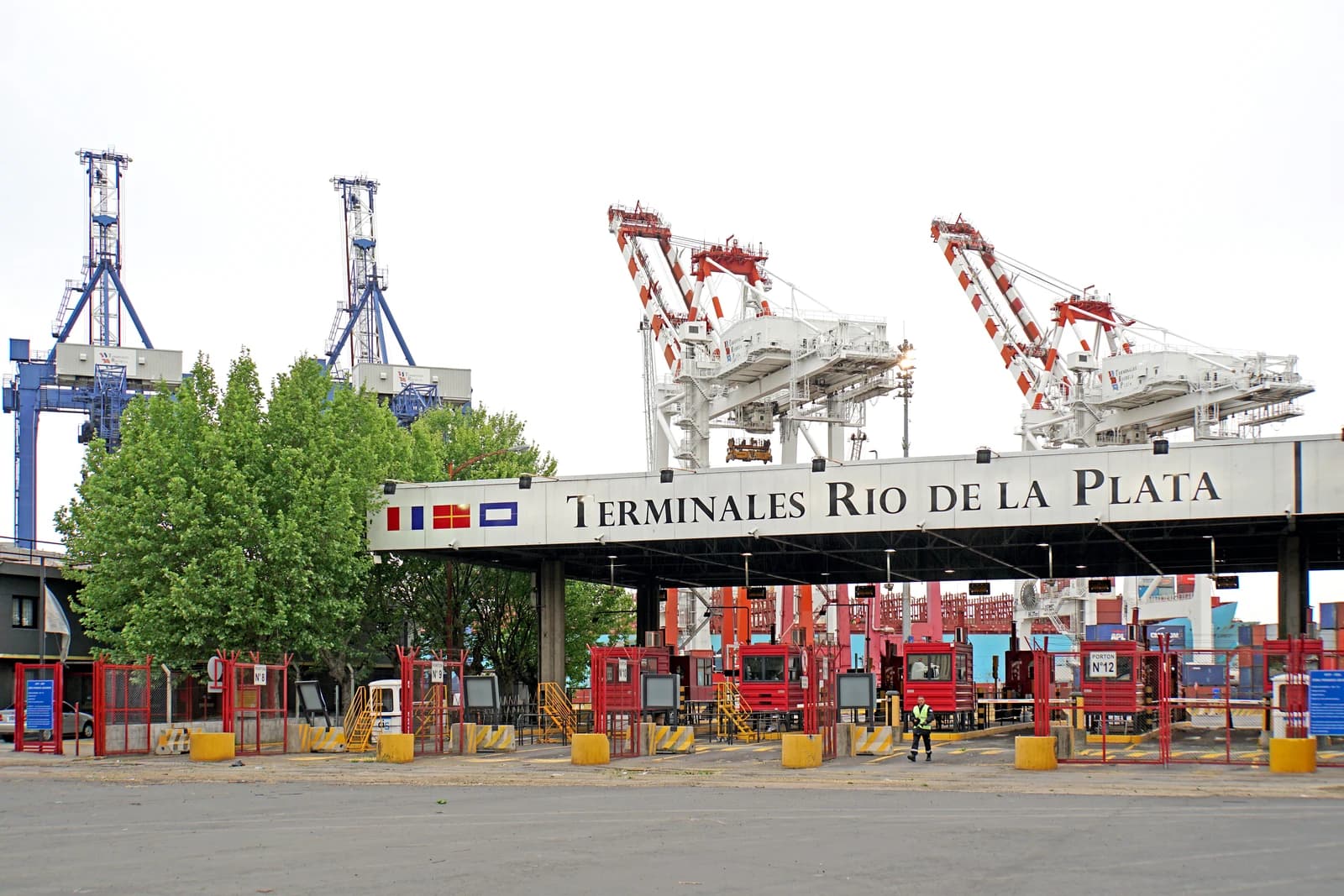
Argentina’s industrial slump is now the clearest sign that Javier Milei’s macroeconomic reset is helping stabilize prices and budgets faster than it is rebuilding the country’s productive base.
Argentina industrial output lags Brazil and Mexico

That matters because factories are still where jobs, investment and supplier demand are created. If industry keeps shrinking, the recovery remains narrow: consumers may see lower inflation, but businesses and workers are left waiting for growth that actually spreads through the economy.
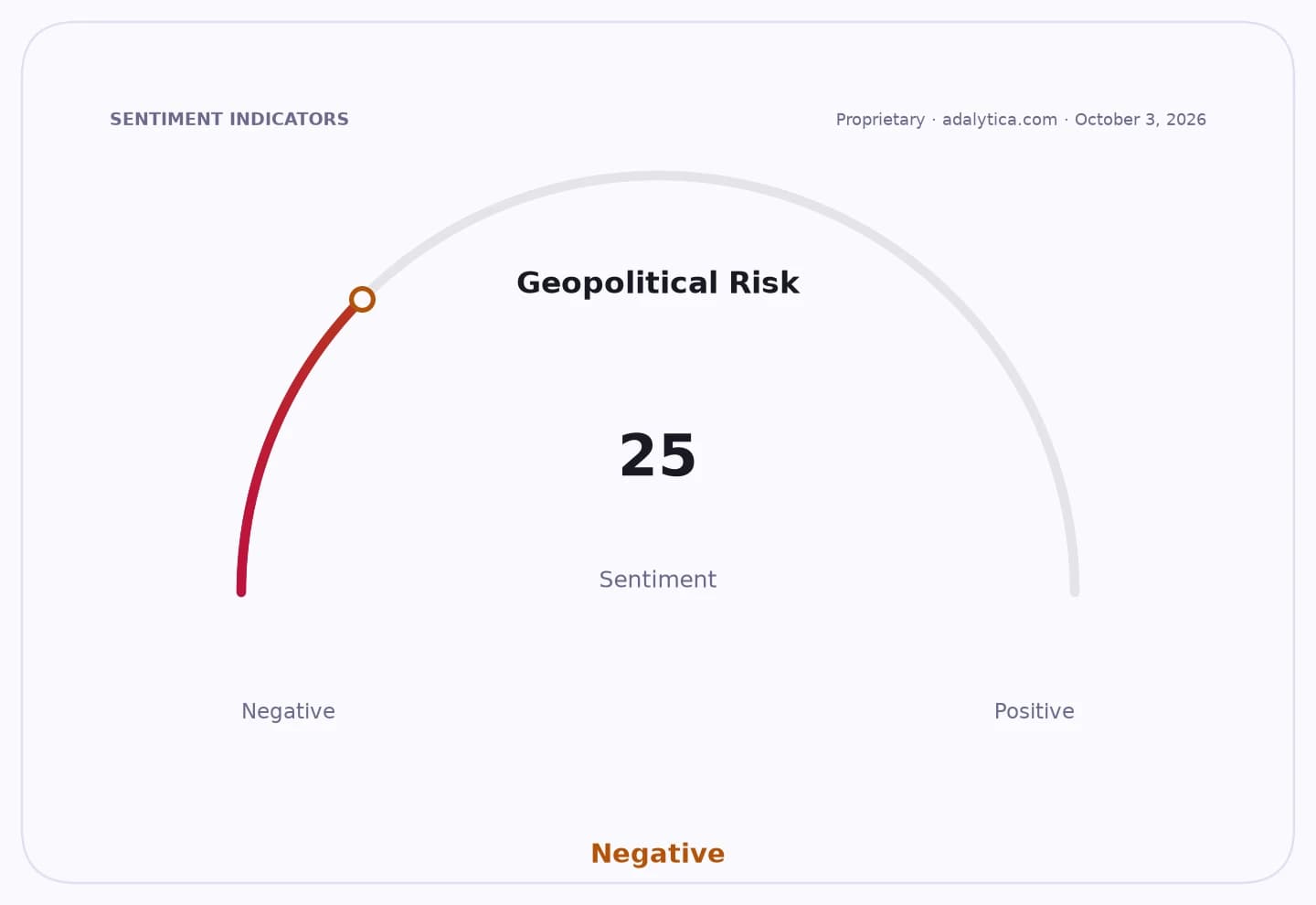
Sentiment IndicatorsⓘProprietary · adalytica.com · October 22, 2026
This is a snapshot — live sentiment, awareness and momentum for 130+ markets update continuously in the dashboard.Open AlphaPulse
The latest numbers show how uneven that recovery has been. After a brutal 9.4% drop in manufacturing output in 2024, Argentina’s industrial production rose just 1.6% in 2025, leaving the average level of output still about 8% below 2023. In the first eight months of 2026, factories were again down 2.7% from the same period a year earlier. In other words, the country has been recovering in name only.
That is a sharper deterioration than in Brazil and Mexico, the region’s two other industrial heavyweights. Brazil’s manufacturing output rose 3.7% in 2024 before slipping 0.2% in 2025, leaving its 2025 average roughly 3.5% above 2023. Mexico’s factories fell 0.5% in 2025 and were down just 0.3% in January through August 2026. Argentina, by contrast, remains the weakest link.
For investors, that gap matters because it changes the earnings path for domestic companies. A weaker industrial base means less volume growth for cement, construction materials, telecom equipment, logistics and other suppliers tied to local activity. It also means more caution on private investment, since companies are unlikely to expand capacity aggressively when demand is still shrinking in real terms.
The macro story is straightforward. Milei has made fiscal balance and disinflation the center of policy, and that has improved Argentina’s financial narrative. But the industrial data show the cost of that adjustment: the traditional manufacturing sector is being asked to absorb a tougher competitive environment without the old protections it once enjoyed.
That is why the comparison with Brazil and Mexico is so important. Both have had their own industrial setbacks, but neither has suffered the same cumulative erosion. Argentina’s problem is not just volatility from month to month; it is that the country has not clawed back the production lost in 2024, even after a rebound in 2025.
For long-term investors, the implication is not that Argentina should be ignored, but that exposure should be selective. Companies with pricing power, export income or hard-currency revenues are better positioned than those that depend heavily on a still-fragile domestic cycle. Until industrial output finds a stable floor, the market is likely to keep rewarding resilience over pure local growth plays.
| Entity | Gains | Losses |
|---|---|---|
| Milei fiscal program | ▲Lower inflation credibility | ▼Industrial recovery speed |
| Brazilian industry | ▲Better relative growth | ▼Still vulnerable to slowdown |
| Mexican manufacturers | ▲Smaller output decline | ▼Not fully back to growth |
| Argentine factory-heavy companies | ▲Little immediate benefit | ▼Weak demand and margins |