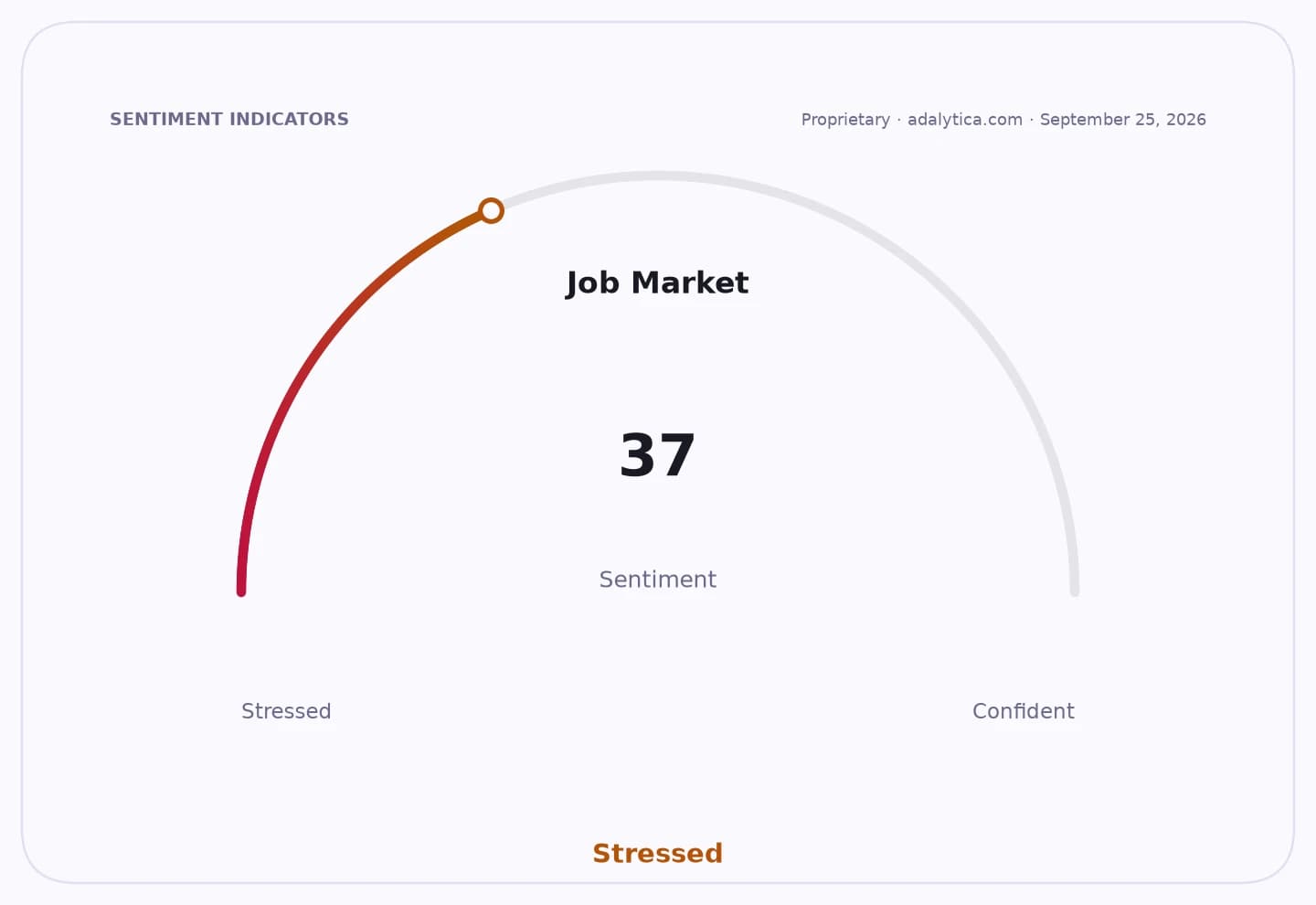
Argentina’s labor market is still deteriorating under President Javier Milei, and the government’s own figures now underscore the political and economic cost: wages remain below 2023 levels even as employment continues to weaken.
Argentina labor market weakens under Milei

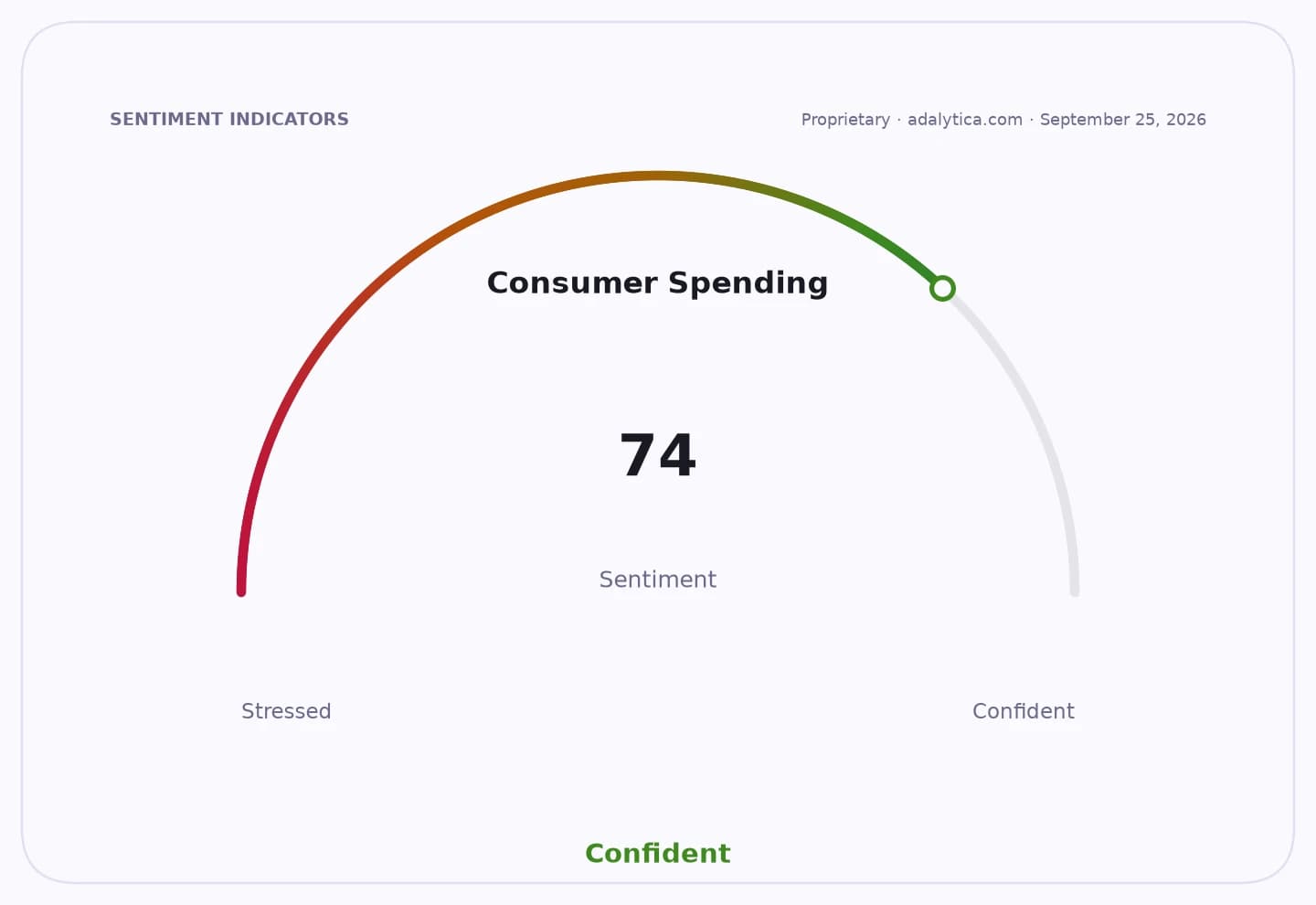
That matters because Milei’s fiscal shock therapy was sold as the path to stability, but for households the adjustment is still being felt in pay packets and job security. With inflation having eased from crisis levels, the next battleground is real income. If wages do not recover while payrolls keep shrinking, the recovery loses its broad base and consumption remains fragile.

The labor backdrop is sobering. Argentina’s unemployment rate was 4.1% in July, according to the latest U.S. labor-market-style series in the data context, and the forecast for August is 4.09%, indicating little immediate relief. Employment has also flattened out, with payrolls essentially unchanged in recent months. That combination points to an economy that is no longer in emergency contraction, but is still not creating enough good jobs to repair purchasing power.
Inflation is no longer running at the kinds of extremes that forced Milei into brutal austerity, but prices remain far above pre-crisis norms. The consumer-price index stands at 332.8 versus 333.0 in June, showing that the disinflation story is real but incomplete. The problem for workers is that nominal stabilization does not automatically restore lost living standards after a shock of this magnitude.
For investors, the message is straightforward: Argentina is becoming a two-speed market. Macro stabilization can support financial assets, but the domestic demand story stays weak until real wages turn higher and hiring broadens. That leaves consumer-facing businesses exposed, while exporters, dollar earners and companies with strong balance sheets are better positioned to ride out the lagging recovery.
The market has already started to price in some of that divergence. Argentina-focused ETFs and FX exposure have been volatile, reflecting hopes for reform against the drag from weak household demand. The stronger thesis is not that Argentina is “fixed,” but that the next leg of value creation will come from businesses that benefit from stabilization before wage growth fully returns.
That makes the coming months critical. If Milei can keep inflation down without another round of labor-market damage, Argentina’s recovery can broaden. If not, the political cost rises and the investment case narrows to the few sectors insulated from the weakness in wages and employment. For now, the best opportunity remains selective exposure to hard-currency earners and export-linked assets, not a blind bet on the domestic consumer rebound.
| Entity | Gains | Losses |
|---|---|---|
| Exporters | ▲Dollar revenues, weaker local costs | ▼Domestic demand softness |
| Consumer stocks | ▲Cost relief if inflation slows | ▼Weak wage growth |
| Workers | ▲Slower inflation, if it holds | ▼Lower real pay, job insecurity |
| Argentina bulls | ▲Reform credibility if data improves | ▼Policy backlash if labor pain persists |