Confidence in Javier Milei’s government rose in November, but the bigger political story is that the recovery is becoming increasingly uneven: support in Argentina’s interior is strengthening while trust in the Buenos Aires metropolitan area keeps slipping.
Argentina Milei confidence rises, Buenos Aires lags
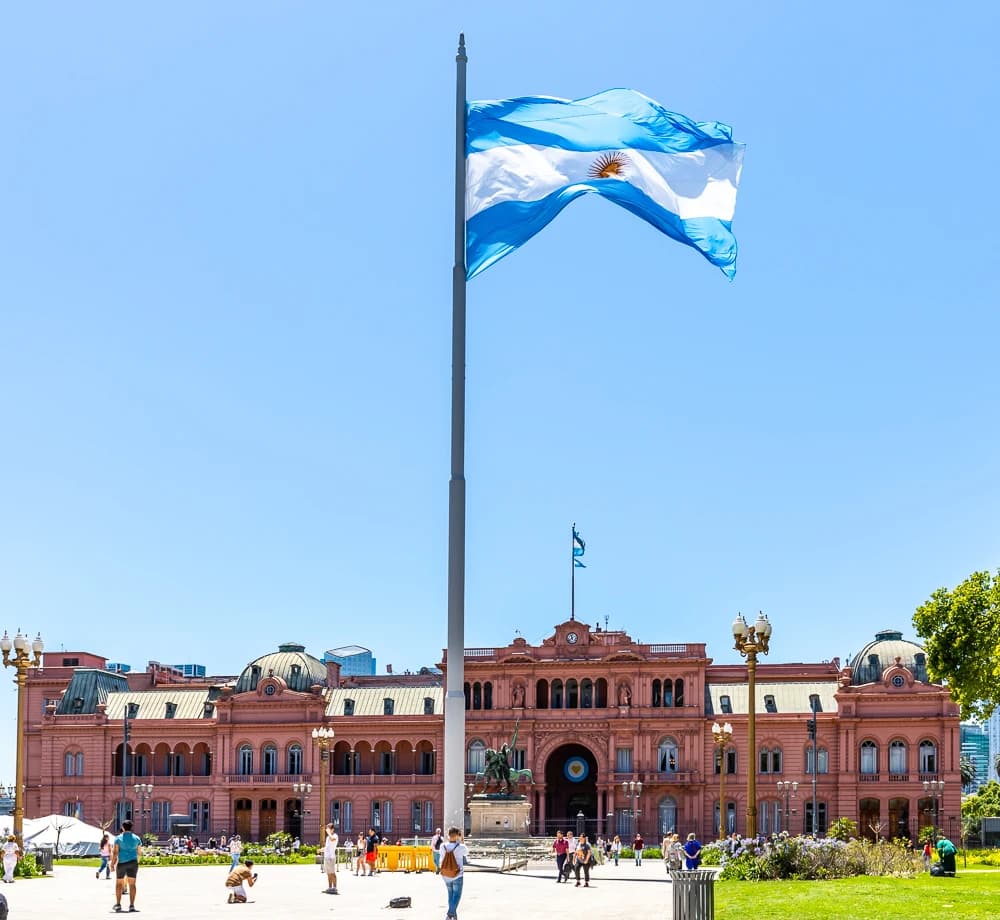
The University Torcuato Di Tella index climbed 4.1% from October to 2.04 points, its second straight monthly increase and a modest lift for a government still operating under pressure from a 17.5% year-on-year decline. Economically, that matters because the confidence gauge is one of the clearest readouts of whether Milei can sustain public backing for his fiscal adjustment, deregulation agenda and spending cuts — all policies that depend on a tolerable level of political resilience.
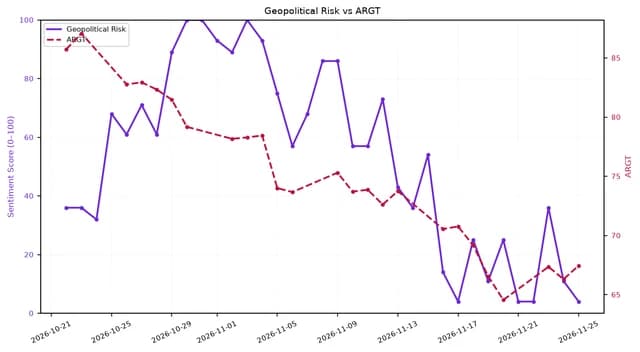
Sentiment Indicators

What stands out most is the geography. Confidence in the interior rose 6.3% to 2.27 points, while the Greater Buenos Aires region fell 1.4% to 1.59, the lowest among the three regions tracked. The gap between the interior and the Buenos Aires suburbs widened to 0.68 points, or 42.8%, from 31.5% in October. That split is economically and politically important because the conurbano around Buenos Aires concentrates a large share of the country’s lower-income voters, union influence and opposition strength. If Milei’s support base is consolidating outside the capital while eroding in the country’s most politically sensitive urban belt, his room to maneuver on reform may remain narrow even as national confidence stabilizes.
The index’s composition also suggests no broad-based surge in enthusiasm. All five components improved in November, led by a 6.4% rise in concern for the general interest and a 5.6% gain in the perceived ability to solve problems. But the best-rated element remained honesty, at 2.41 points, underscoring that respondents still differentiate between credibility and delivery. The overall reading has hovered around 2 points for eight months, according to Di Tella, which points to a plateau rather than a decisive recovery.
The age and gender breakdown reinforces that picture. Support among those over 50 jumped 21.7% to 2.20 points, nearly matching the 18-to-29 cohort at 2.23, while confidence among 30-to-49-year-olds fell to 1.82. Men remained more supportive than women, with a 0.65-point gap. Those differences matter because they hint at a coalition that is holding together in parts of the electorate most receptive to Milei’s anti-establishment message, while weakening where economic strain may be biting harder.
For investors, the question is not whether Milei’s approval is rising marginally, but whether the political map is becoming stable enough to protect market-friendly policy. Argentina’s assets have been highly sensitive to signs that the administration can keep public backing while pushing through austerity and institutional change. A stronger interior, a weaker Buenos Aires perimeter and an index still stuck near 2 points suggest that political support exists, but remains selective and fragile.
That leaves the government with a narrow but real window. If Milei can translate uneven confidence into legislative durability and continued policy execution, markets may keep giving him the benefit of the doubt. If the urban backslide deepens, the risk is that the political cost of reform rises faster than the economic gains.
| Entity | Gains | Losses |
|---|---|---|
| Milei government | ▲Modest confidence rebound | ▼No broad recovery yet |
| Argentina interior | ▲Stronger support | ▼— |
| Greater Buenos Aires | ▲— | ▼Confidence keeps falling |
| Investors in Argentine assets | ▲Policy continuity hopes | ▼Reform durability risk |