Argentina’s President Javier Milei is moving to hard-wire fiscal discipline into law, a step that could reshape the country’s policy framework and the investment case for Argentine assets if it survives Congress.
Argentina Milei fiscal discipline law proposal
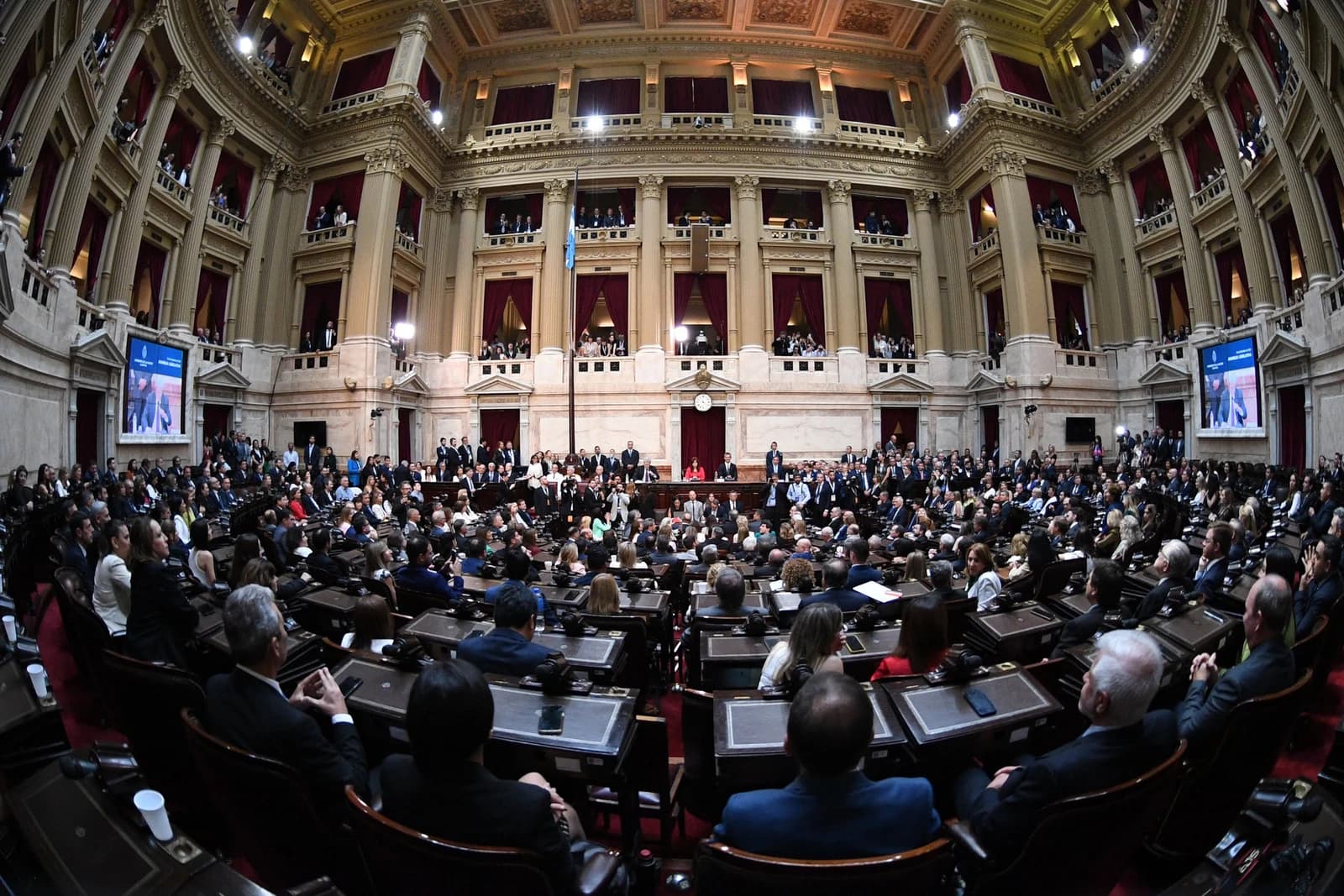
The proposal, which would allow the administration to be shut down if a deficit similar to the United States’ emerges, matters because it pushes Milei’s austerity agenda beyond rhetoric and into an institutional rule. For investors, that is both a promise and a risk: a promise that Argentina may be trying to lock in budget restraint after years of chronic monetized deficits, and a risk that an already fragile political consensus could be forced to absorb even sharper spending cuts.
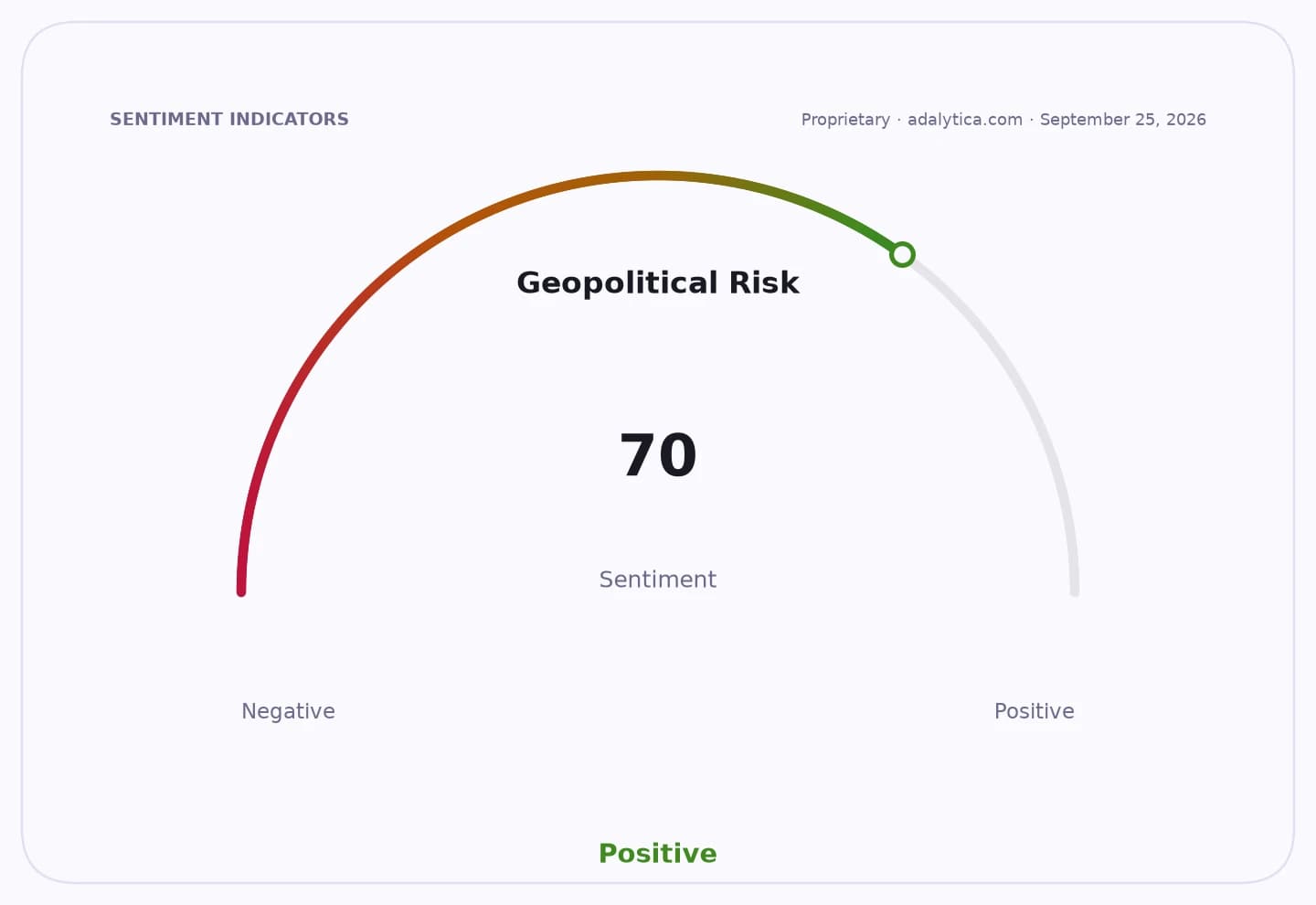
Sentiment IndicatorsⓘProprietary · adalytica.com · July 31, 2026
This is a snapshot — live sentiment, awareness and momentum for 130+ markets update continuously in the dashboard.Open AlphaPulse

That tension is central to the story. Argentina has been trying to restore credibility with lenders, the IMF and local markets after repeated fiscal slippage and inflation shocks. The government has already made deficit reduction the cornerstone of its stabilization plan, and the central bank’s recent pause in dollar purchases suggested officials feel more comfortable with the current macro trajectory. The IMF has also taken a more constructive tone on Argentina, saying the economy looks “much stronger” and that the country is in a “strong position” as it tackles public spending and fiscal imbalances.
But the political economy remains volatile. Milei’s popularity has softened, and any attempt to formalize a hard budget constraint will inevitably test congressional support, provincial relations and social tolerance for austerity. In that sense, the law is less about the mechanics of shutting down the administration than about signaling that the government wants to make fiscal orthodoxy harder to reverse.
Markets would likely read that as supportive over the medium term if it improves policy predictability. Argentina’s assets have already been buoyed by hopes that the government can sustain reform momentum, and local risk appetite has been helped by a stronger external position, including the country’s best energy trade balance in a decade. Yet the bear case is clear: a more rigid fiscal regime could deepen recession risk if growth weakens, while any sign the bill cannot pass would revive doubts about Milei’s ability to convert market-friendly intent into durable policy.
For investors, the key question is whether this becomes another symbolic austerity gesture or the beginning of a tougher institutional framework that lowers Argentina’s sovereign risk premium. The next catalyst is political, not economic: whether Milei can turn deficit elimination into law without triggering a legislative backlash that exposes the limits of his mandate.
| Entity | Gains | Losses |
|---|---|---|
| Milei government | ▲Fiscal credibility | ▼Political flexibility |
| Bondholders | ▲Lower default risk | ▼Growth if cuts bite |
| IMF | ▲Reform validation | ▼Exposure if plan stalls |
| Congress/provinces | ▲— | ▼Budget discretion |