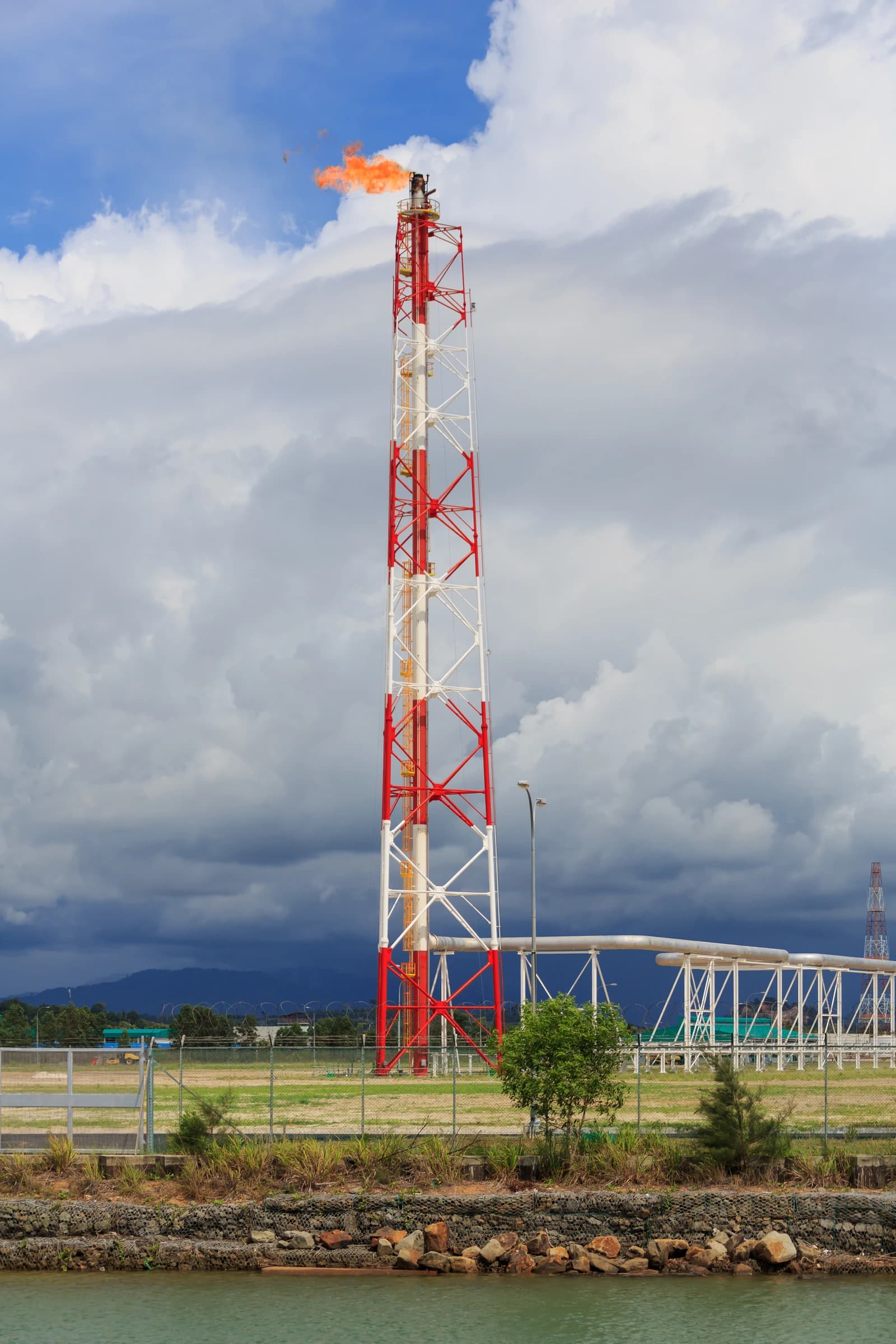
Crude oil has become Argentina’s biggest export for the first time, a milestone that underscores how the country’s shale boom is starting to reshape its external accounts and give President Javier Milei a new source of dollar revenue.
Argentina Oil Exports Overtake Soy for First Time
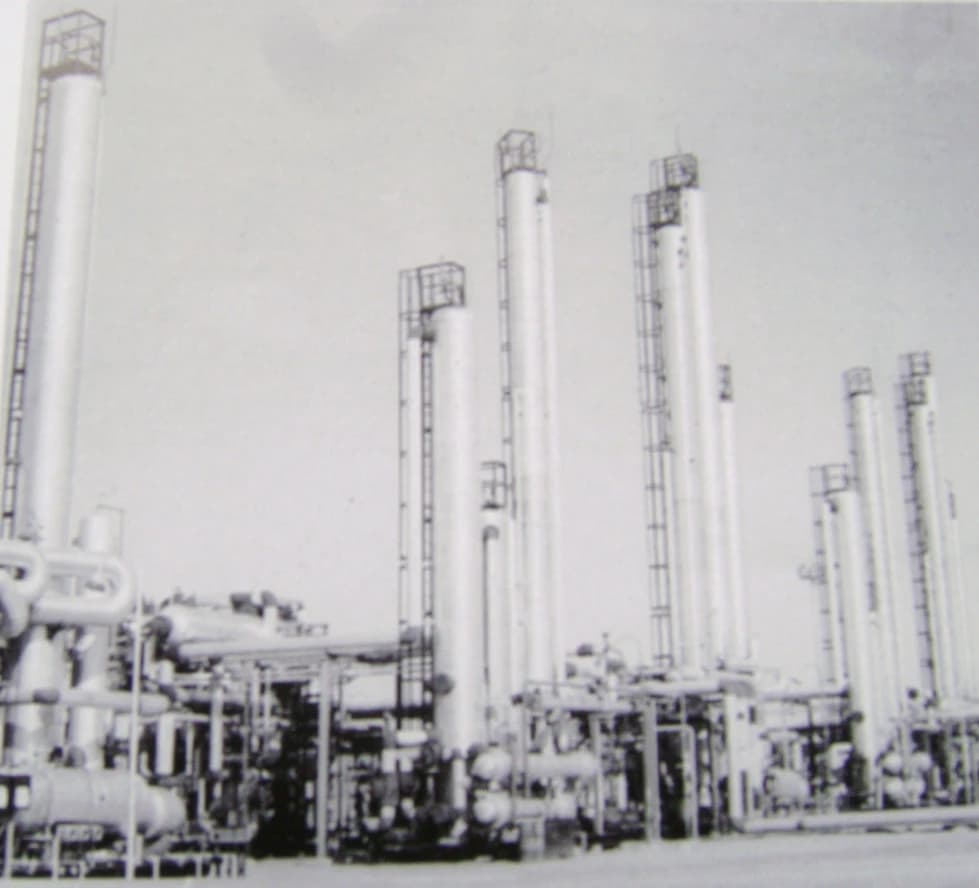
The shift matters because Argentina has long depended on agricultural shipments, especially soy, to earn foreign currency and fund imports. Oil now overtaking that traditional export base suggests a more durable, less weather-dependent flow of hard currency at a time when the country is still rebuilding reserves and trying to stabilize the peso.
The export mix has been changing for years as output from the Vaca Muerta shale formation expands and private producers and state-controlled YPF push higher volumes to refineries and overseas markets. For investors, that makes Argentina’s energy sector a more important driver of sovereign risk, corporate earnings and FX liquidity than it was even a few years ago.
The timing also lines up with a firmer oil market. Brent-equivalent crude has been hovering around the mid-$80s a barrel, a level that keeps upstream economics attractive and supports export receipts, even as global rates remain elevated at around 4.7% on the US 10-year Treasury, reinforcing the cost of capital for emerging-market borrowers.
Energy-related equities have already been reflecting that backdrop. The Energy Select Sector SPDR ETF, XLE, has held above its 50-day and 200-day moving averages and recently traded near 57.57, while the VanEck Oil Services ETF, OIH, has remained elevated around 371.35 despite recent pullbacks. That suggests investors continue to reward producers and oilfield services firms that can convert higher crude prices into cash flow.
For Argentina, the bigger story is macroeconomic. More oil exports can help offset the country’s chronic shortage of dollars, support trade balances and reduce pressure on the central bank, even if volatility in global prices or domestic policy changes could quickly alter the picture. The key question now is whether rising output can keep pace with infrastructure constraints and whether export earnings are steady enough to matter for reserves, debt service and inflation management.
The next catalyst is likely to be the pace of Vaca Muerta growth and the government’s ability to keep export rules, taxation and foreign-exchange policy predictable enough to sustain investment.
| Entity | Gains | Losses |
|---|---|---|
| Argentina oil producers | ▲Higher export revenues | ▼Exposure to price swings |
| YPF and shale operators | ▲Stronger dollar earnings | ▼Policy and infrastructure bottlenecks |
| Argentina economy | ▲More hard currency inflows | ▼Soy-heavy export dominance |
| Soy exporters | ▲ | ▼Lose top export status |